
Wedding Sound System Rental That Fits
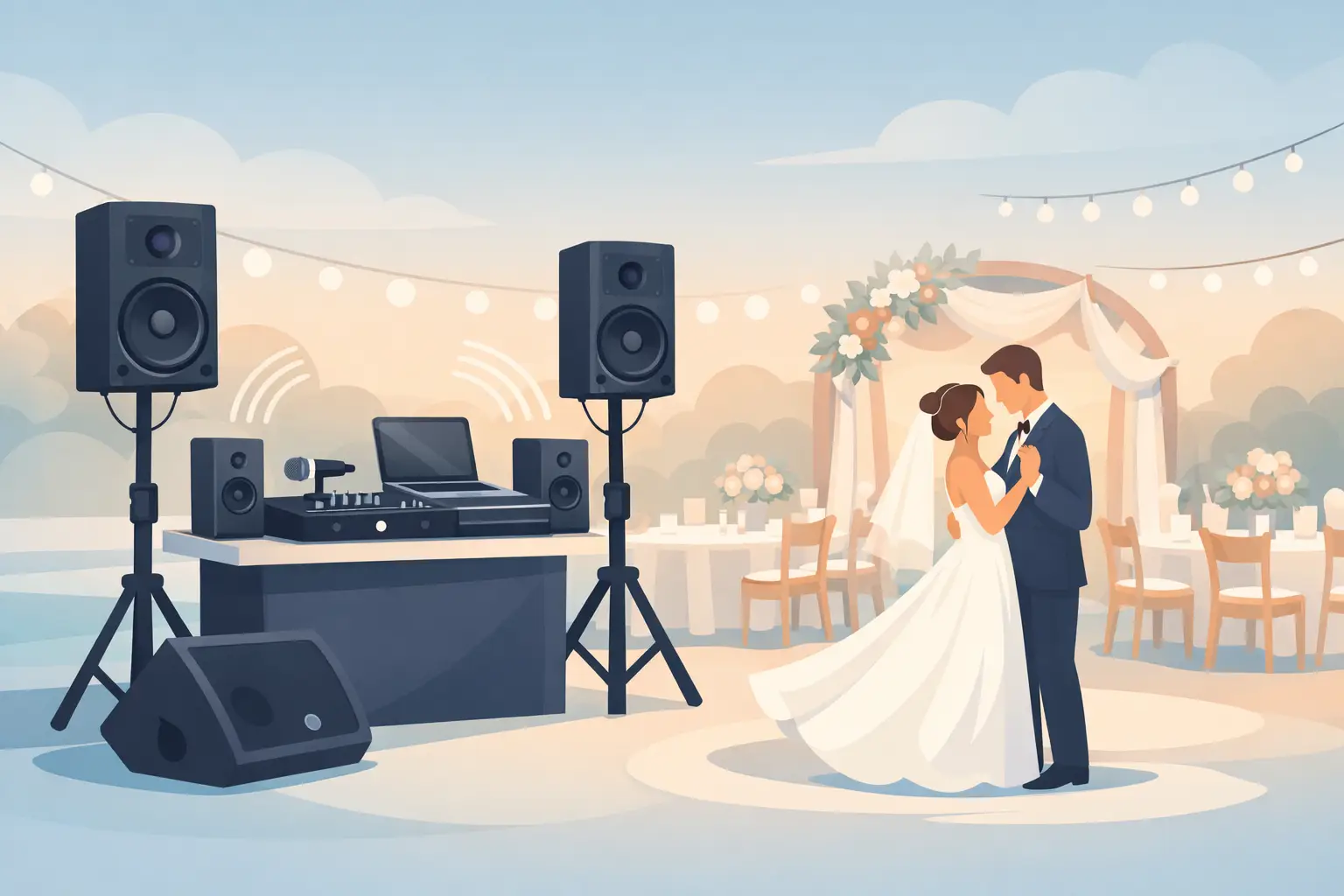
A wedding can look perfect and still fall flat if no one can hear the vows, the toasts, or the first dance cue. That is why wedding sound system rental deserves more attention than it usually gets. Audio is one of the few parts of the day that touches every guest, in every moment, and when it is planned well, people do not notice it at all. They just feel connected to what is happening.
What wedding sound system rental really needs to cover
Most couples start by thinking about music. That makes sense, but a wedding sound system has a bigger job than playing a playlist. It needs to cover spoken word clearly during the ceremony, transition cleanly into cocktail hour or reception audio, and support announcements, speeches, and dancing without constant adjustments.
That usually means your rental plan should be built around moments, not just gear. A small outdoor ceremony with 80 guests has very different needs from a ballroom reception with 250 people and a DJ. One setup may be enough for a compact venue. In other cases, you may need separate systems or at least separate zones so guests hear the right thing in the right place.
The best approach is simple. Start with the event flow, then match the equipment to the layout, guest count, and venue restrictions. That avoids overpaying for gear you do not need, and it also keeps you from underestimating what the day requires.
Ceremony audio is where small mistakes become big problems
The ceremony is usually the most demanding part of wedding audio, even though it often seems simple on paper. You need clear speech, minimal visual distraction, and reliable performance with no second chances.
For most ceremonies, that means a compact PA system paired with wireless microphones. Officiants almost always need a dedicated mic. If the couple wants vows amplified, that can require additional mic planning depending on the format and how discreet the setup needs to be. Readings and live music may call for extra inputs, stands, or monitors.
Outdoor ceremonies add another layer. Wind affects microphones. Open air disperses sound more than people expect. Nearby traffic, surf, fountains, or HVAC noise can compete with speech. In those environments, speaker placement matters just as much as speaker size. Louder is not always better. Better coverage is better.
Indoor ceremonies are not automatically easier. Rooms with hard walls and high ceilings can create echo and reduce clarity. Historic venues and houses of worship may also have strict rules about cabling, power access, and where equipment can be placed. A good rental partner should ask about those details early, not on load-in day.
Microphones matter more than couples expect
If there is one area where cutting corners creates instant problems, it is microphones. A low-quality or poorly coordinated wireless mic can introduce dropouts, feedback, or weak speech pickup. That is frustrating during a corporate meeting. At a wedding, it feels much bigger.
For ceremonies and toasts, the right mic choice depends on who is speaking, how formal the setup is, and how much movement is involved. A handheld mic may be ideal for speeches. A lavalier can be cleaner visually for an officiant. A live vocalist or acoustic musician may need something entirely different. There is no one-size-fits-all answer, which is why planning around use case matters.
Reception sound should feel controlled, not just loud
Reception audio has to do more than fill a room. It needs to shift with the energy of the evening. Guests should be able to hear introductions and toasts clearly, enjoy music during dinner without shouting across the table, and then feel a real lift when dancing begins.
That balance comes from system design and control. A reception with a DJ, band, or emcee needs enough headroom to handle peak moments without distortion. If the room is large or awkwardly shaped, delayed speakers or additional coverage zones may make more sense than simply pushing the mains harder.
This is also where package assumptions can create trouble. A generic speaker pair may be fine for a small private dinner. It may not be enough for a 200-person reception with speeches, dance music, and a lively crowd absorbing and competing with the sound. On the other hand, renting a system that is far too large can make the room harder to manage and the budget harder to justify.
DJ, playlist, or live band changes the rental plan
Your entertainment format drives a lot of the audio decision-making. If you are using a DJ, they may bring part of the system or prefer to work with house sound in certain venues. If you are running a curated playlist, you may need a simpler setup but more support for timing and control. If you have a live band, the system may need to accommodate multiple microphones, instrument inputs, stage monitors, and a mixing console that can handle the performance properly.
This is where experienced guidance saves time. It is easy to assume all wedding audio works the same way, but the requirements shift quickly depending on who is providing the content and who is responsible for operating it.
What affects the cost of wedding sound system rental
Couples often ask for a single price early in the process. That is understandable, but wedding sound system rental is not priced accurately from guest count alone. The main drivers are the number of spaces being covered, the equipment type, the length of the event, the level of staffing, and the logistics of setup and teardown.
A straightforward ceremony-and-reception package in one venue may stay relatively efficient. Costs rise when the event includes multiple locations, outdoor coverage, complex cueing, live performers, or tight venue timelines. Labor can be just as important as gear. If the system needs a technician on site to manage microphones, transitions, or live mixing, that should be viewed as protection for the event, not just an added line item.
Budget-conscious planning works best when priorities are clear. If speech intelligibility during the ceremony matters most, build around that first. If dancing is central to the reception, make sure the system can support it comfortably. A reliable partner should help you spend where it counts and avoid padding the quote with unnecessary equipment.
DIY rental versus professional support
Some weddings can work with a basic drop-off rental. Others really should not. The dividing line is not just budget. It is complexity and risk tolerance.
If you are hosting a small, casual gathering in a controlled indoor space, a simple speaker and microphone package may be manageable for a capable planner or coordinator. But once you add ceremony cues, multiple speakers, live toasts, outdoor conditions, or a packed reception timeline, someone needs to own the audio. That includes setup, testing, battery checks, signal coordination, and quick troubleshooting.
Professional support also reduces the burden on family, friends, and venue staff. No one wants a cousin adjusting volume during vows or a planner sprinting to reconnect a Bluetooth device before introductions. A production partner takes responsibility for those details so the event team can stay focused on the guest experience.
For larger weddings across markets like Los Angeles, San Diego, San Francisco, and Las Vegas, the value of that support tends to show up in logistics as much as sound quality. Load-in windows, venue rules, power access, and timing coordination all affect execution.
Questions worth asking before you book
A good audio quote should answer practical questions before you have to ask them. Still, it helps to be direct. Ask whether the system is sized for your guest count and floor plan, what microphones are included, who handles setup and strike, and whether on-site operation is recommended. If your ceremony and reception are in separate areas, ask how transitions will work and whether both spaces can be covered without compromise.
You should also ask about backup planning. Wireless microphone redundancy, spare cables, battery management, and weather contingencies are not glamorous topics, but they are often what separate a polished event from a stressful one.
If you are working with a full-service event production company like GeoEvent, this conversation can extend beyond speakers and mics. Audio usually interacts with lighting, staging, power, and event flow. Keeping those elements coordinated through one accountable team can simplify planning and reduce handoff problems.
The best rental plan is the one guests never think about
Great wedding audio does not call attention to itself. It lets every guest hear the vows without strain, every toast land clearly, and every music cue feel right when it happens. That result usually comes from thoughtful planning, not excess equipment. If your rental plan matches the way your day will actually unfold, the sound will support the moments that matter and stay out of the way of everything else.