Stage Rental in Los Angeles — Portable, Outdoor and Concert Stages
GeoEvent rents modular staging, risers, truss and roof systems across Los Angeles, and delivers, builds and strikes them. Our decks assemble into almost any footprint at heights from 8 inches to 8 feet, with stairs, handrails, skirting and ADA-compliant ramps — for concerts, festivals, corporate general sessions, fashion shows, weddings, school and civic events.
Stages are the one rental where the specification is a safety matter rather than a preference. Height, load rating, guardrails and wind exposure all have rules attached. The sections below cover what actually determines the build.
Working out the size you need
Start with what is going on the stage, not with how big it looks on a floor plan.
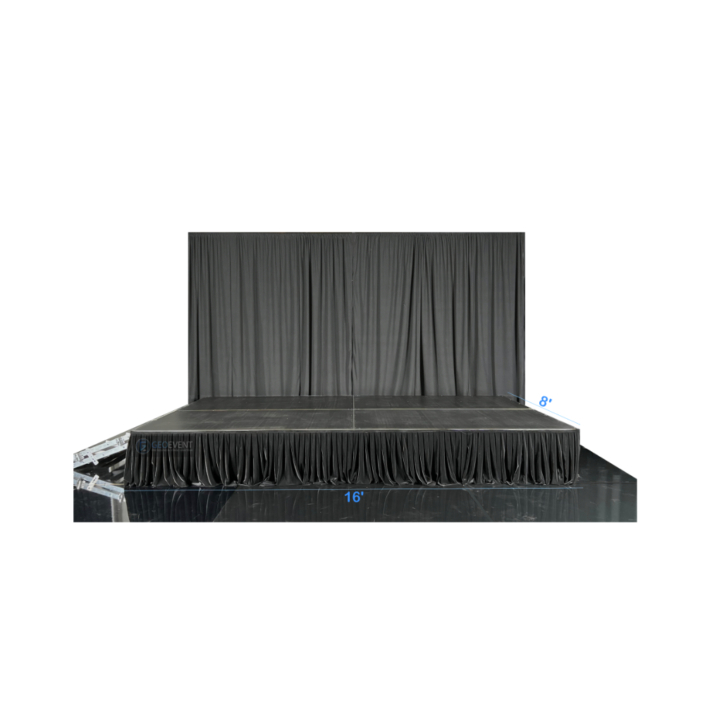
- Speaker, podium or ceremony — 8ft × 8ft or 12ft × 8ft is usually plenty.
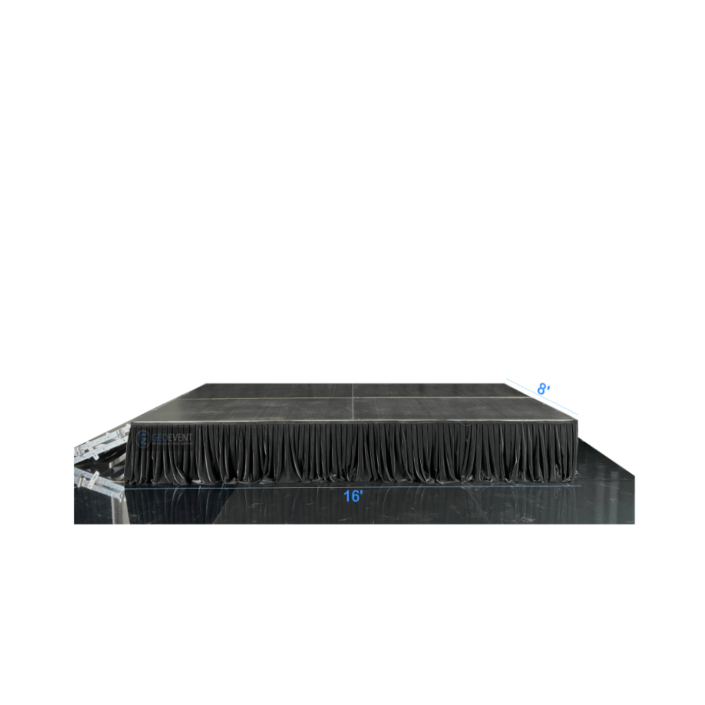
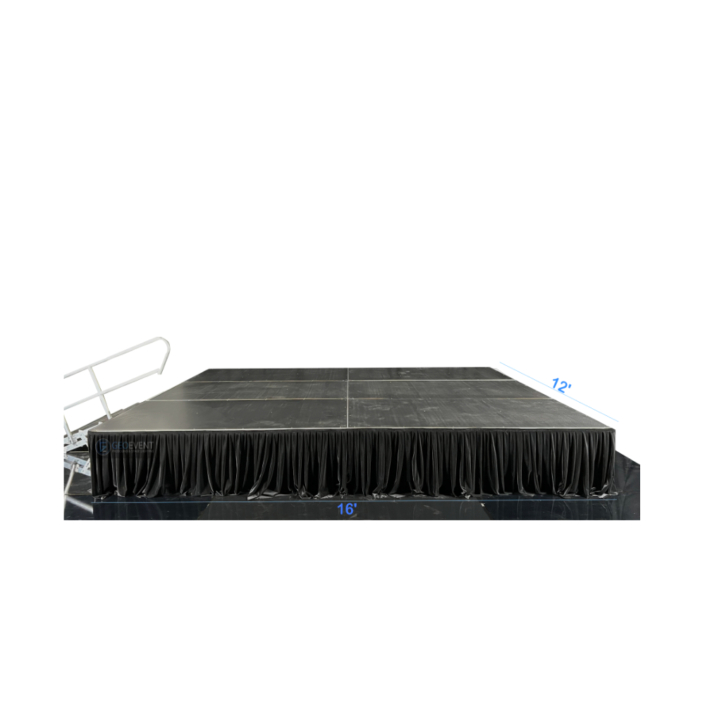
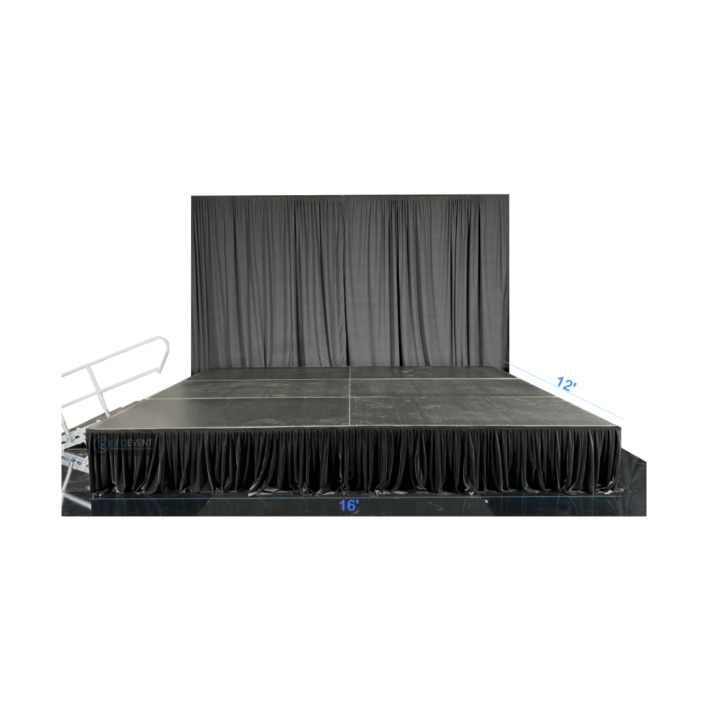
- Panel discussion or awards — 16ft × 12ft gives room for seating, a podium and people crossing behind.
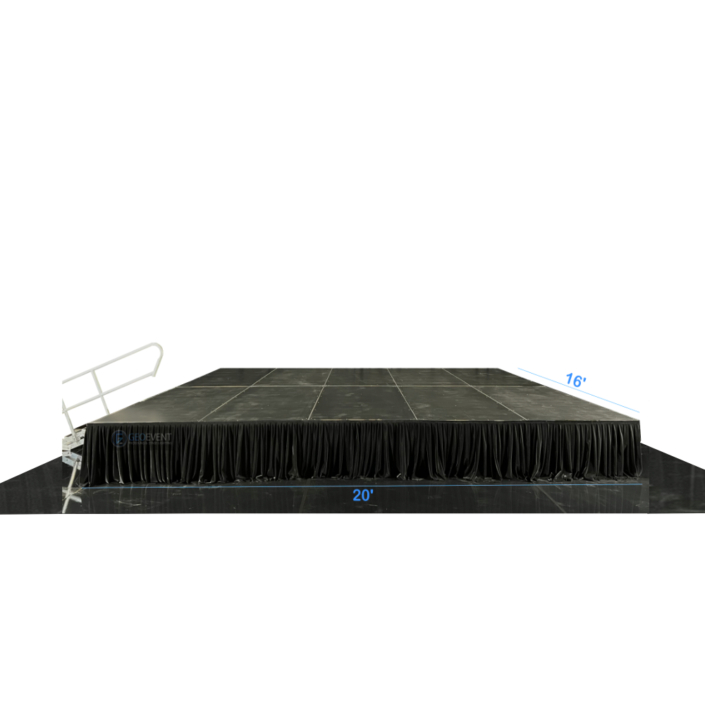
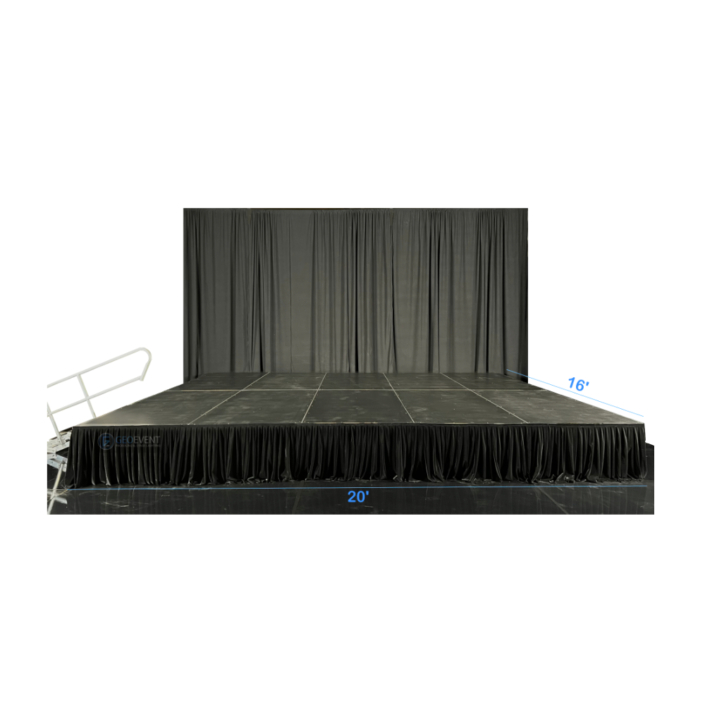
- DJ or small band — 16ft × 12ft up to 20ft × 16ft, depending on the kit.
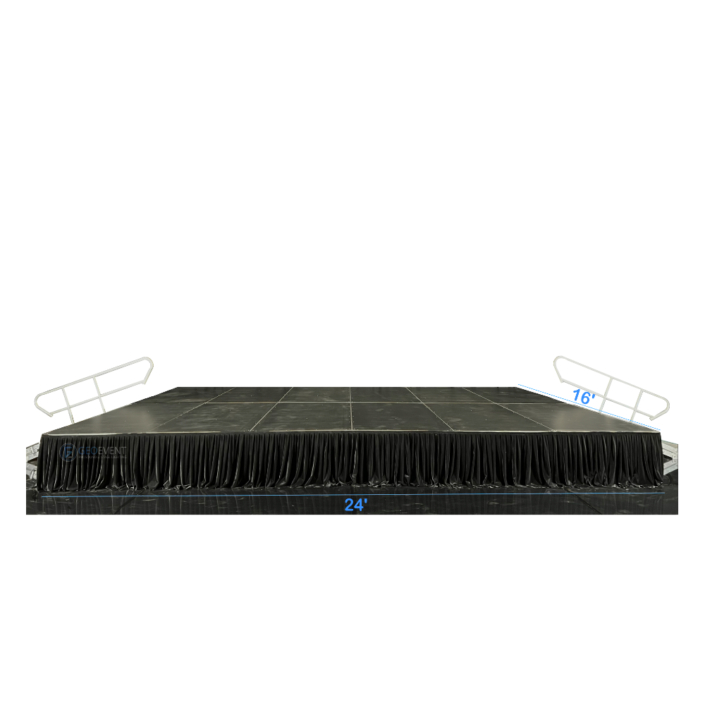
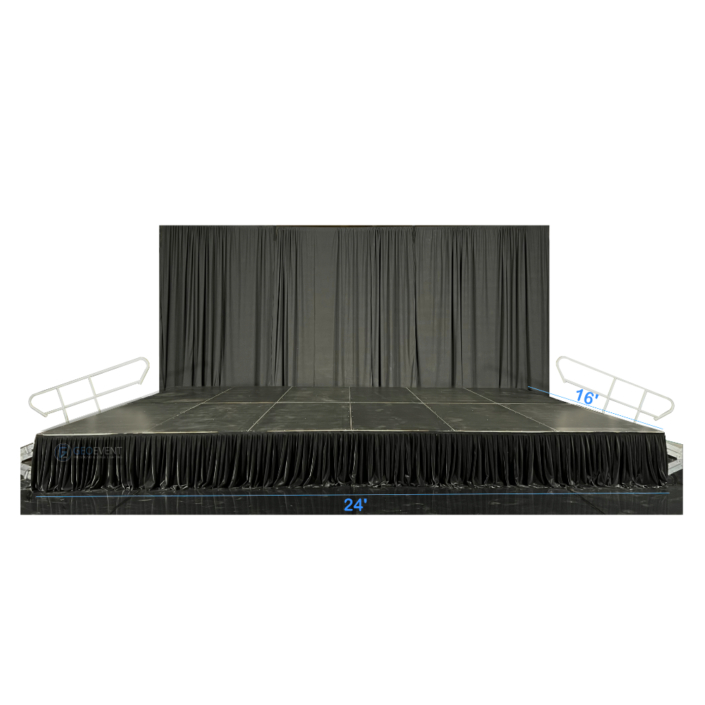
- Full band with backline — 24ft × 16ft as a working minimum; a drum riser and monitors eat space quickly.
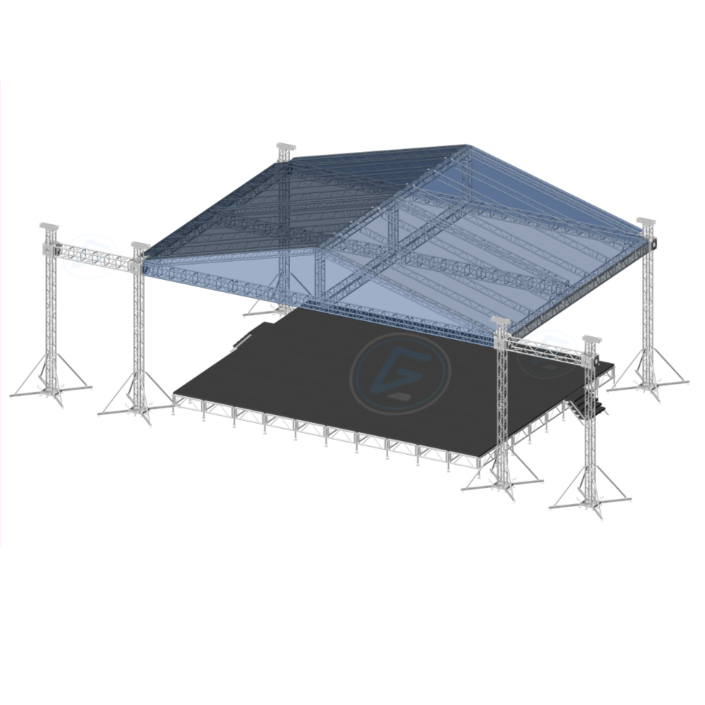
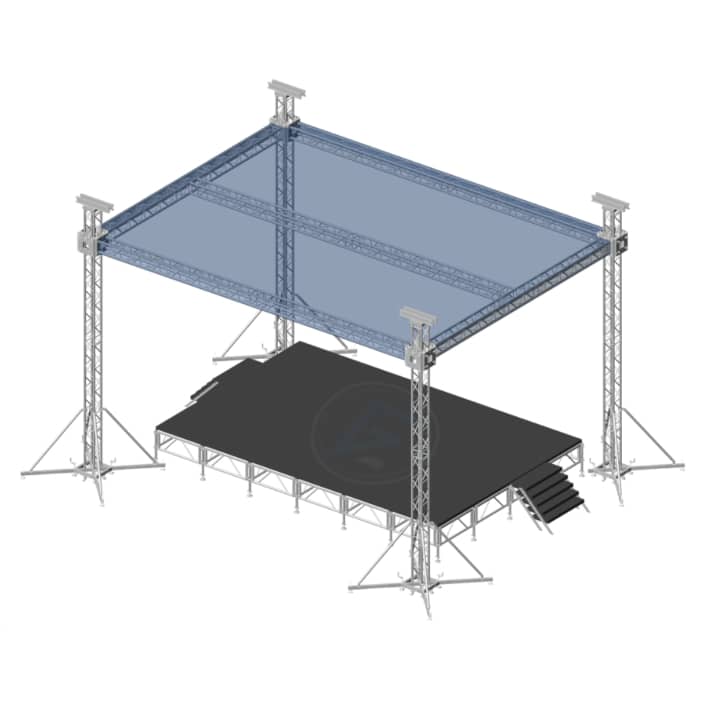
- Festival main stage — 32ft × 24ft and upwards, usually with a roof and ground support for lighting and audio.
Two things people consistently under-budget: the space taken by monitors, cable and side fill, and the depth needed for anyone to walk behind a performer without appearing in shot. If the event is being filmed, add depth.
Choosing a stage height
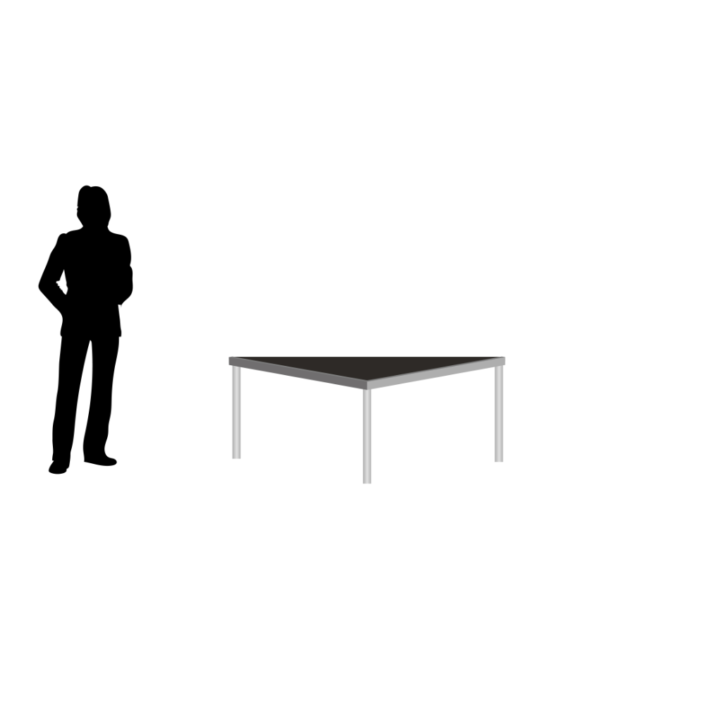
Height is about sightlines. On a flat floor, roughly 24 inches works for an audience of 100, 32 to 36 inches for a few hundred, and 48 inches and above for a thousand or more or where people stand. Raked or tiered seating changes this entirely — sometimes downward.
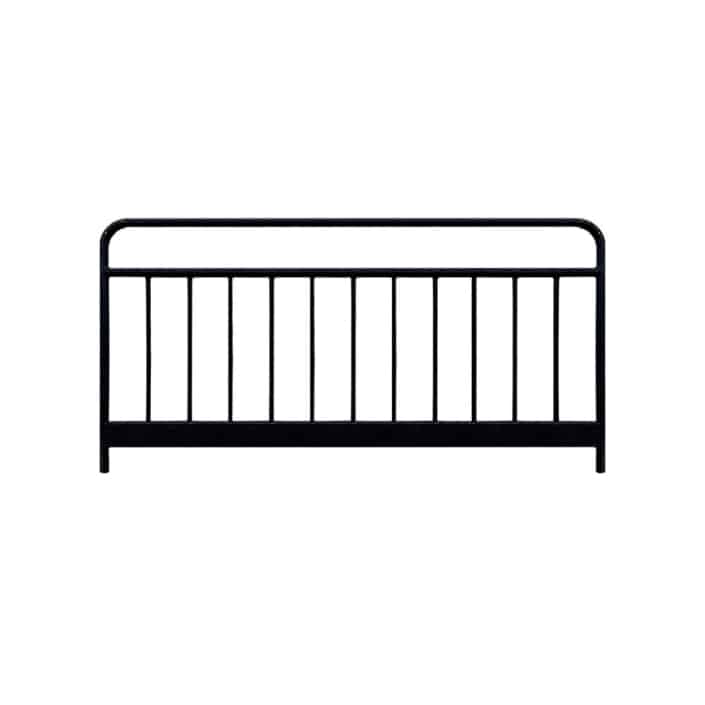
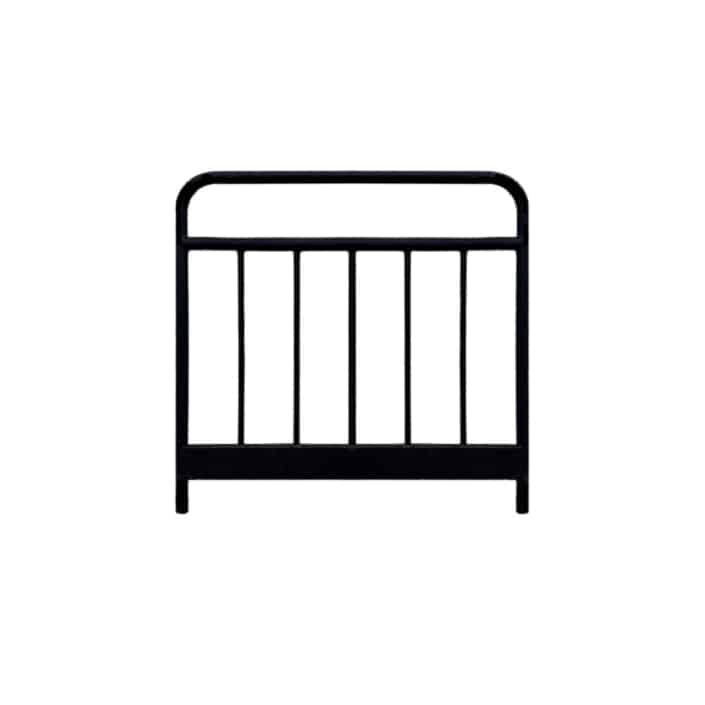
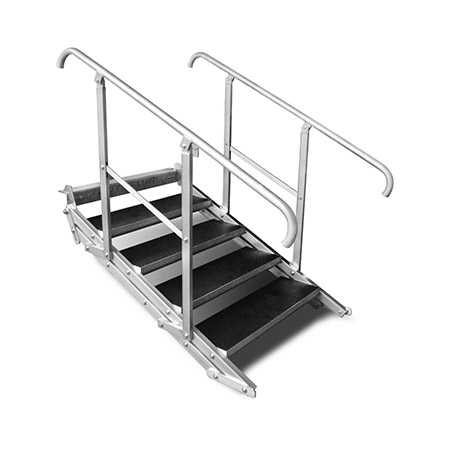
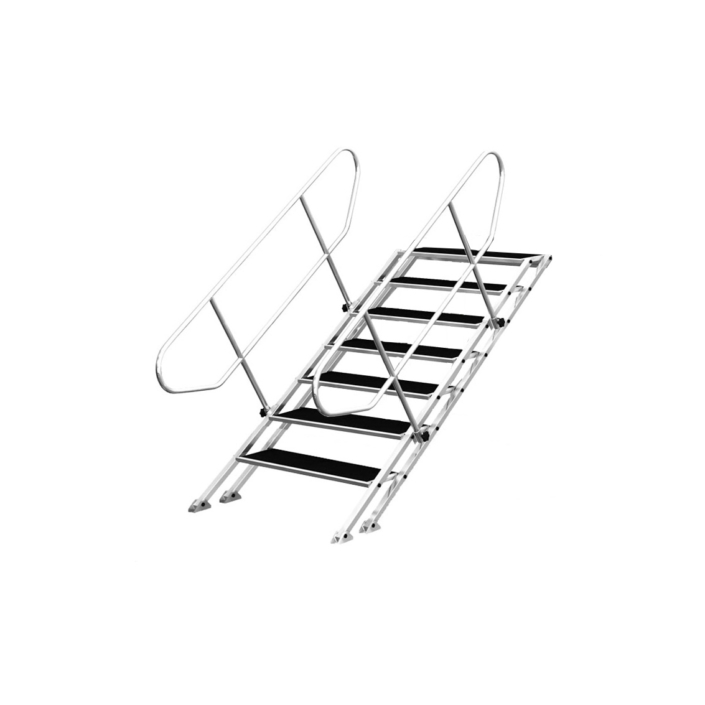
Anything at 30 inches or higher generally needs guardrails on the open edges, and any stage the public or performers access needs stairs with handrails. On public-facing events, an accessible ramp is often a requirement rather than an option. We include these in the quote by default rather than as extras discovered later.
What we rent
Portable and modular stage decks
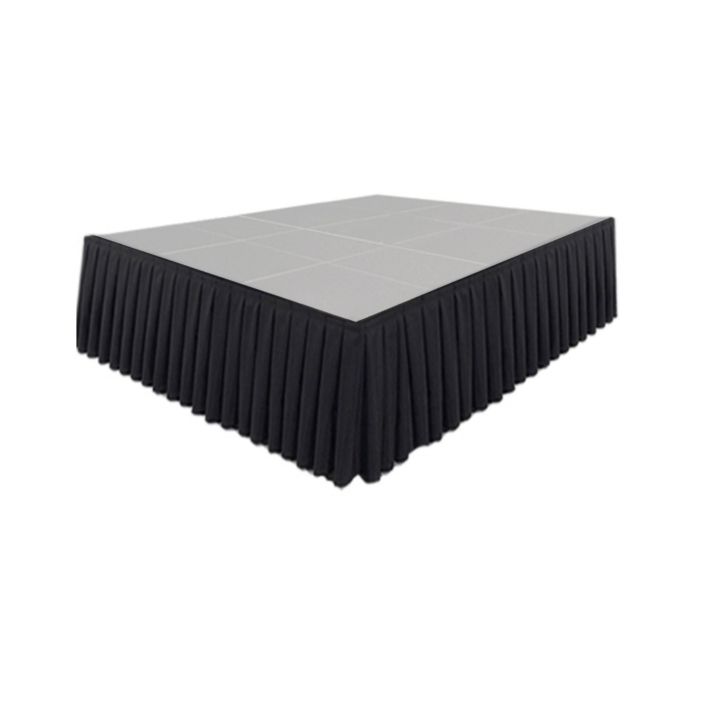
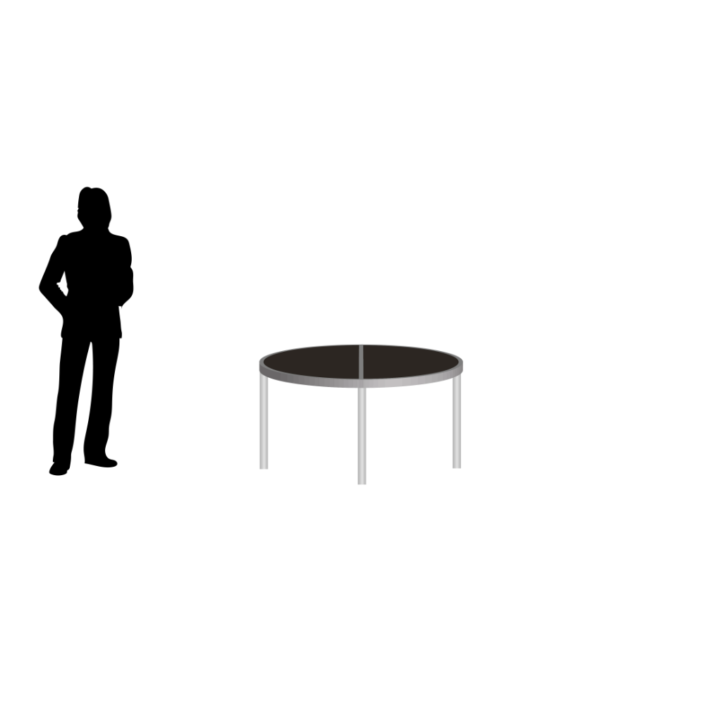
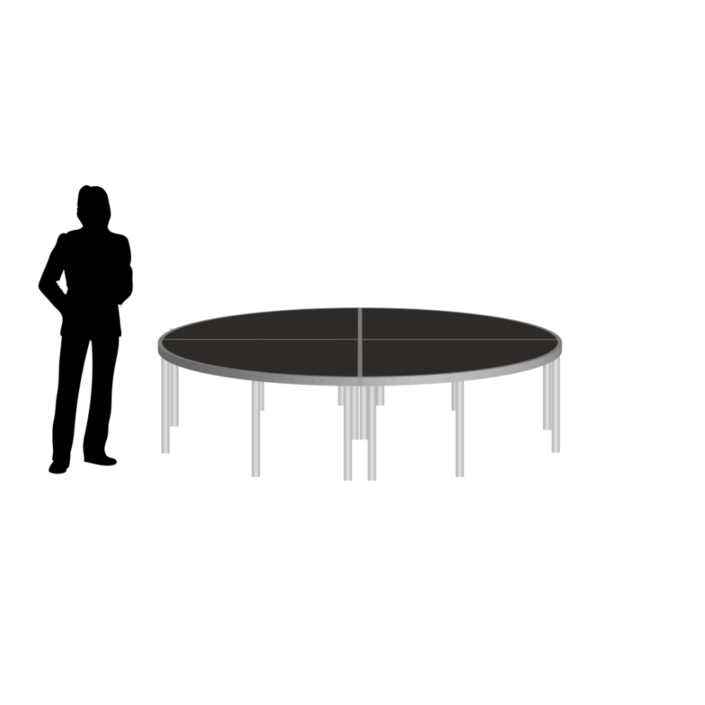
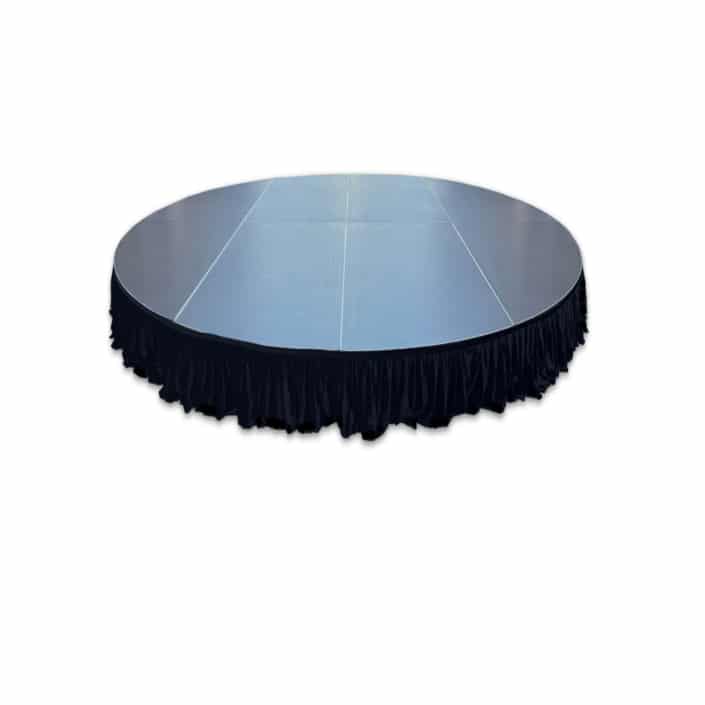
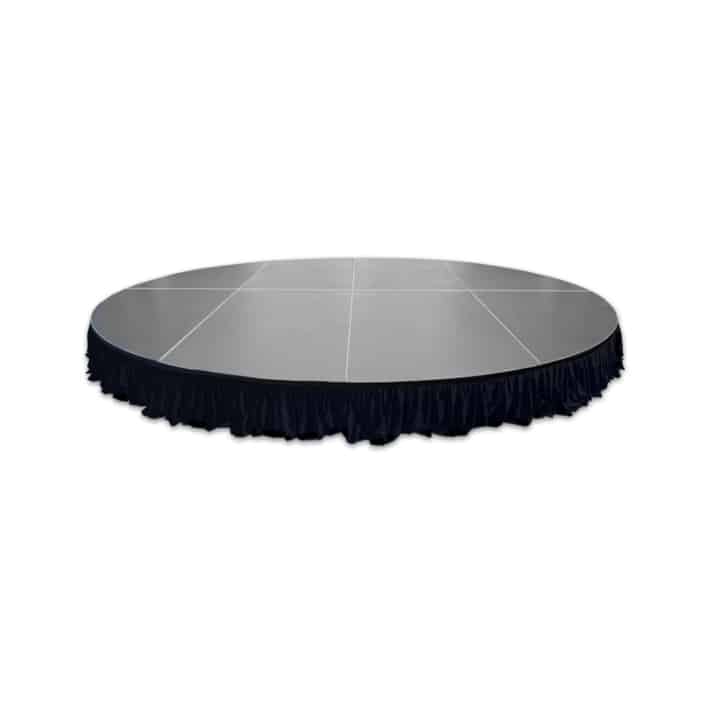
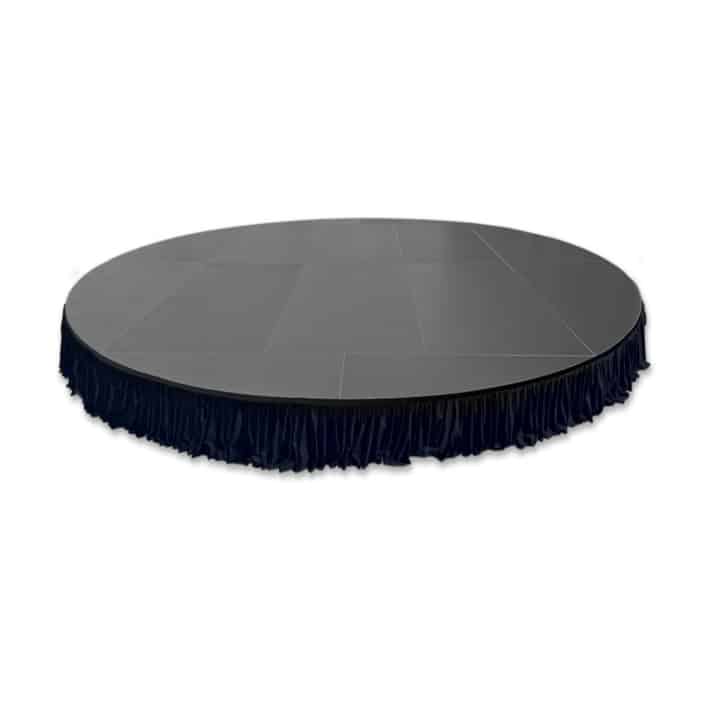
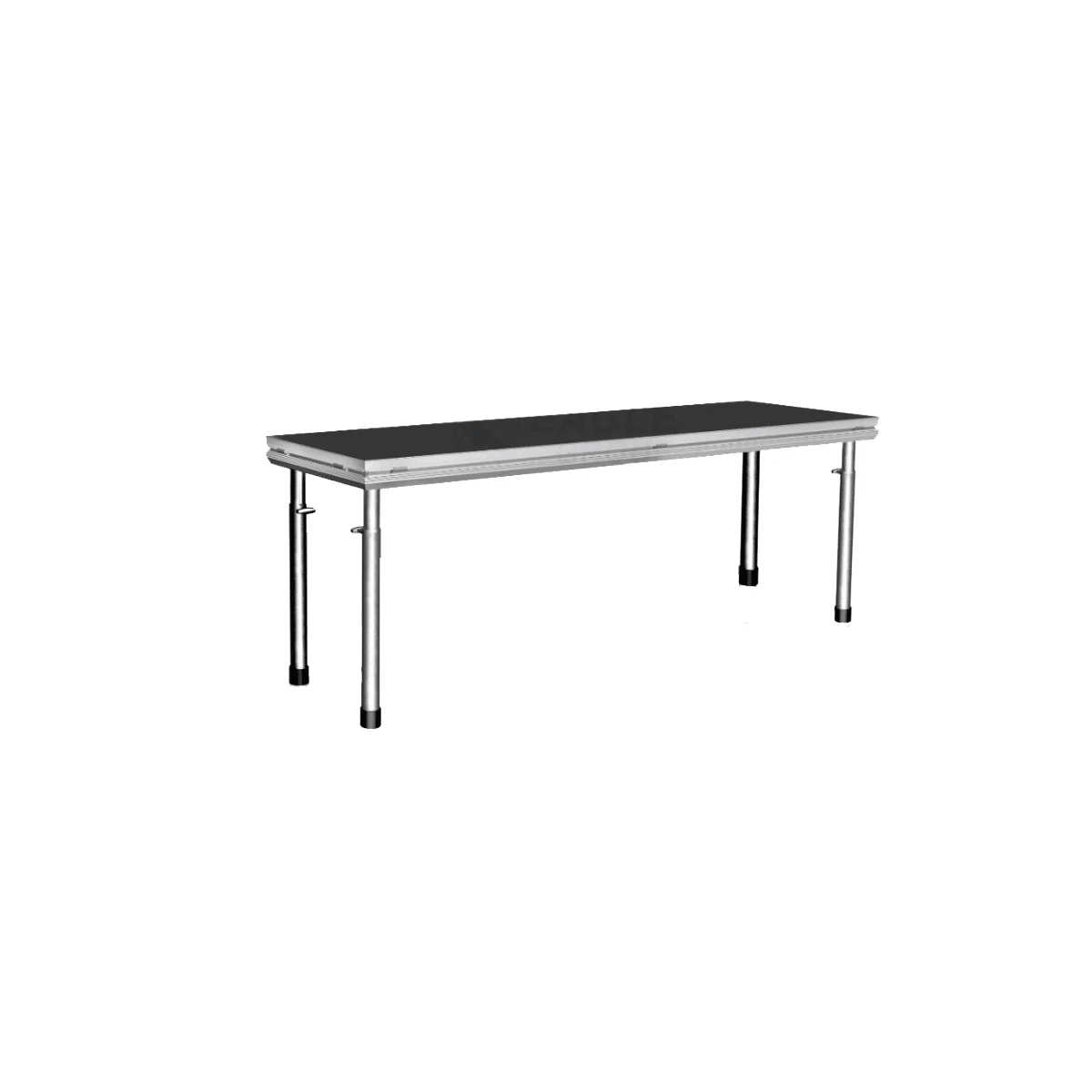
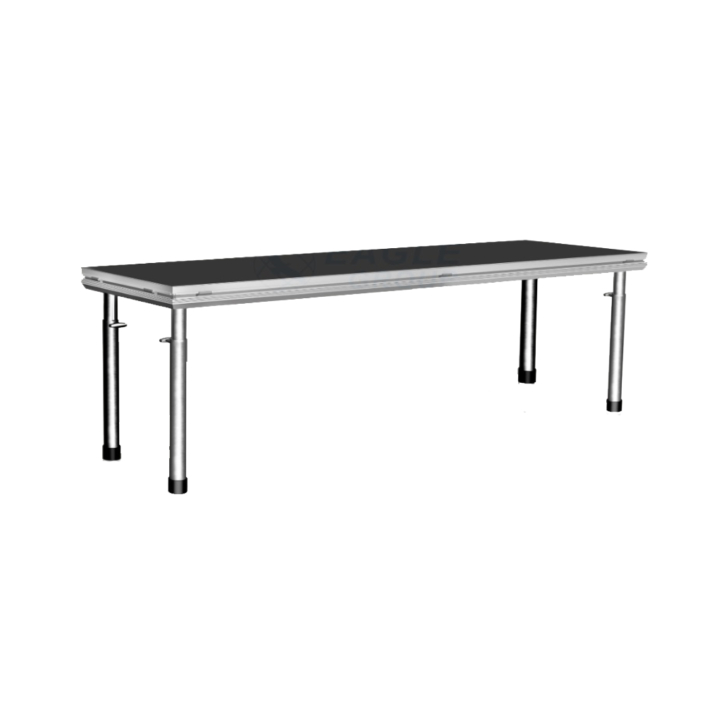
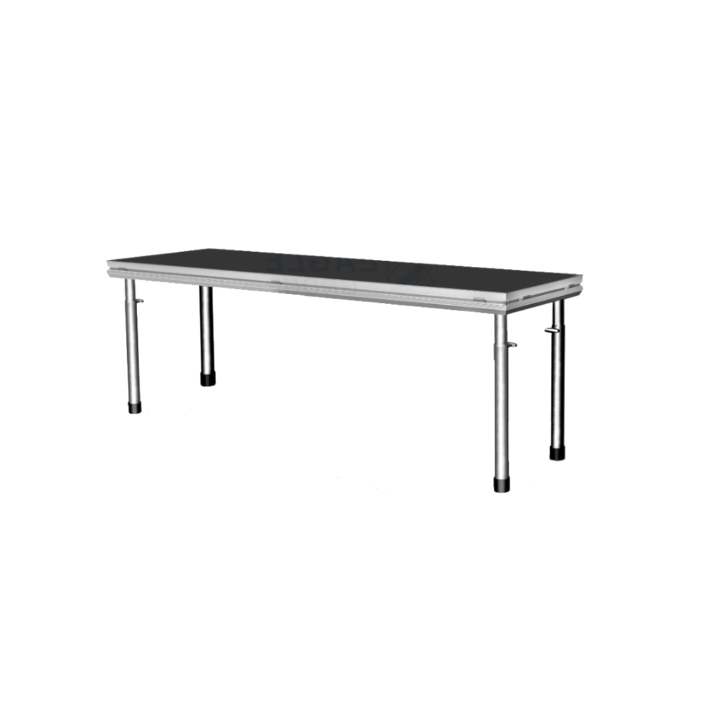
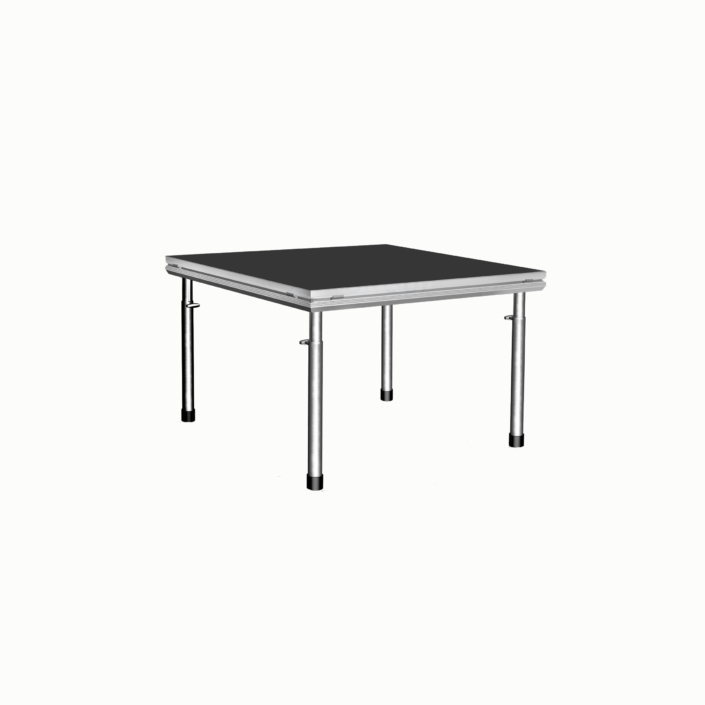
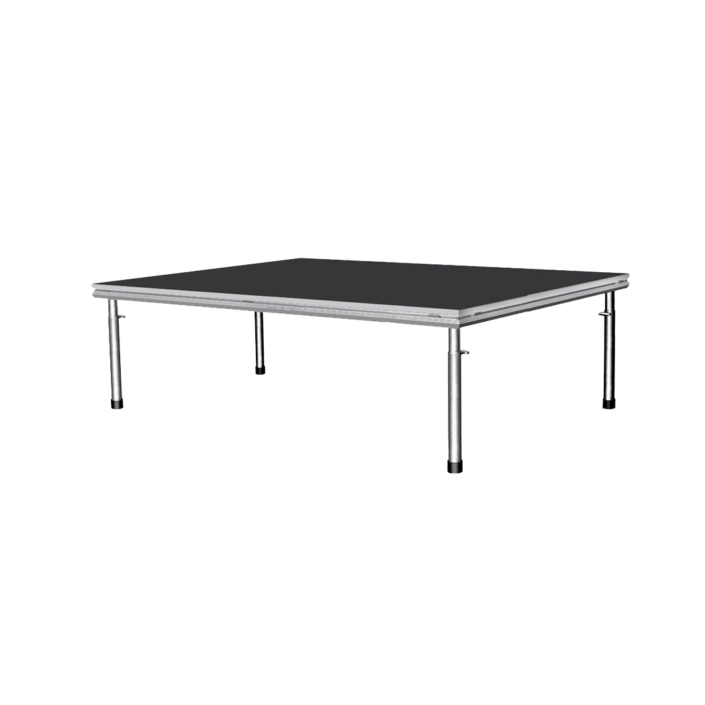
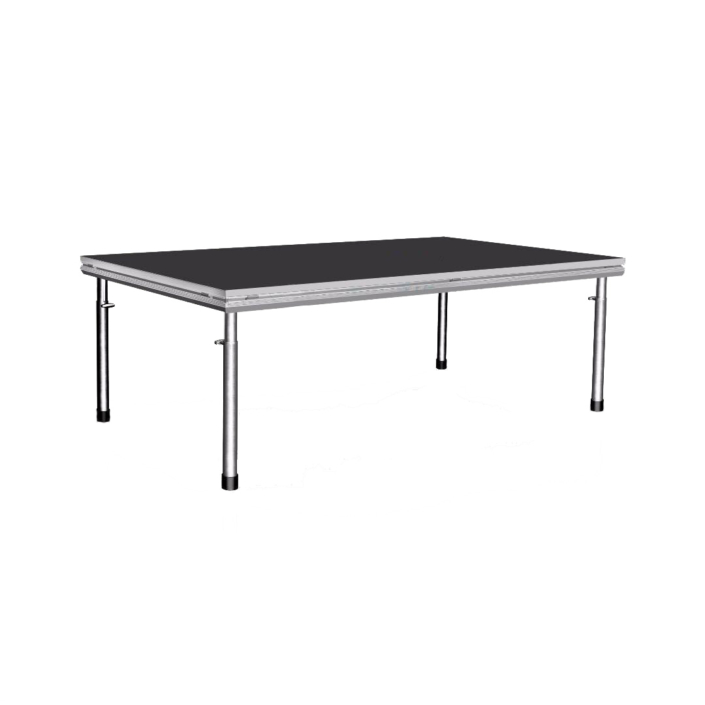
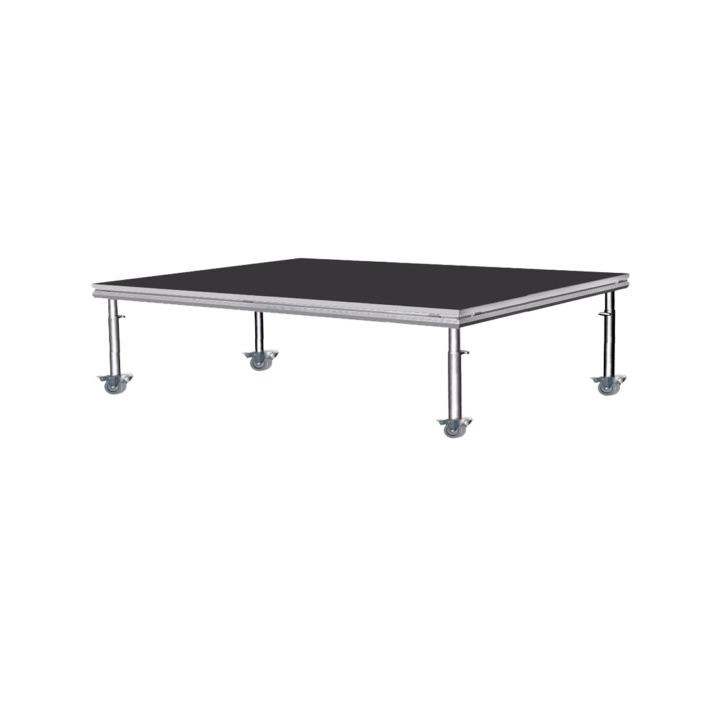
Standard 4ft × 8ft and 4ft × 4ft decks with adjustable legs, assembling into custom shapes including thrusts, catwalks and multi-level builds. Surfaces can be plain, carpeted or skirted.
Stage risers
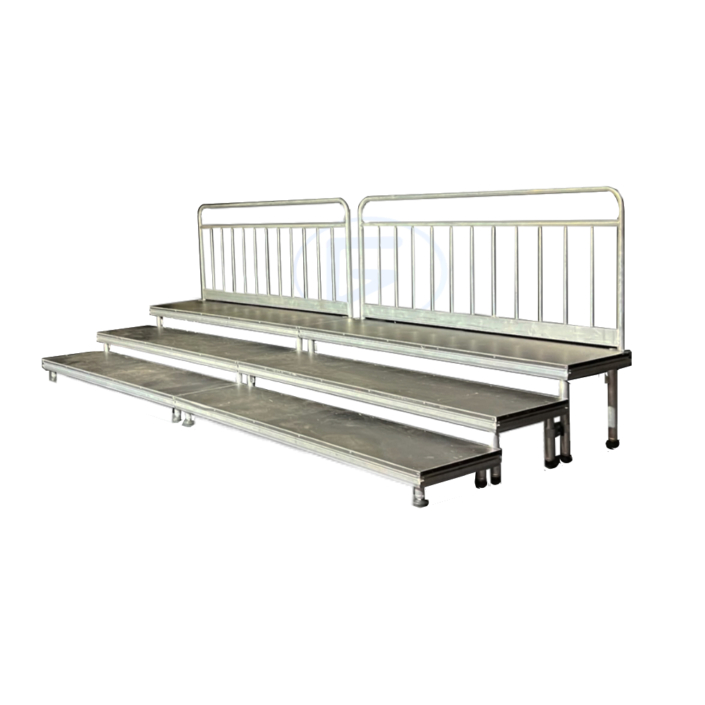
Smaller platforms for drum kits, choirs, orchestra sections, podiums and camera positions, in the same height range.
Truss and ground support
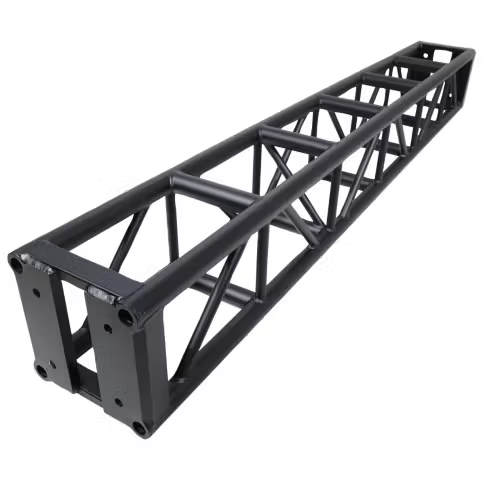
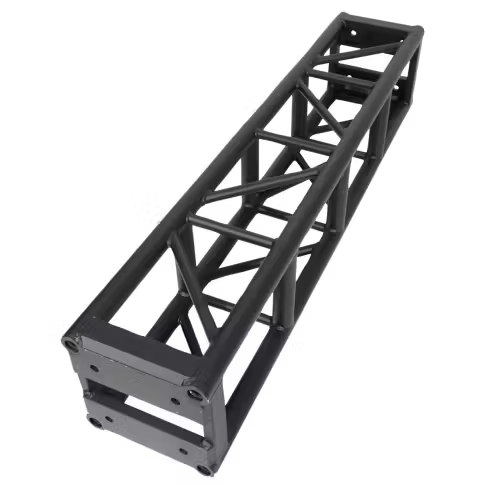
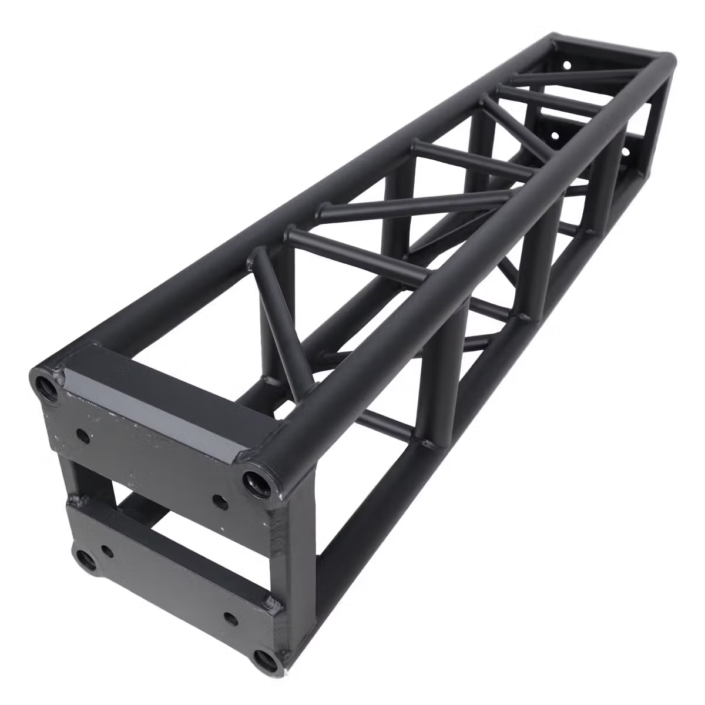
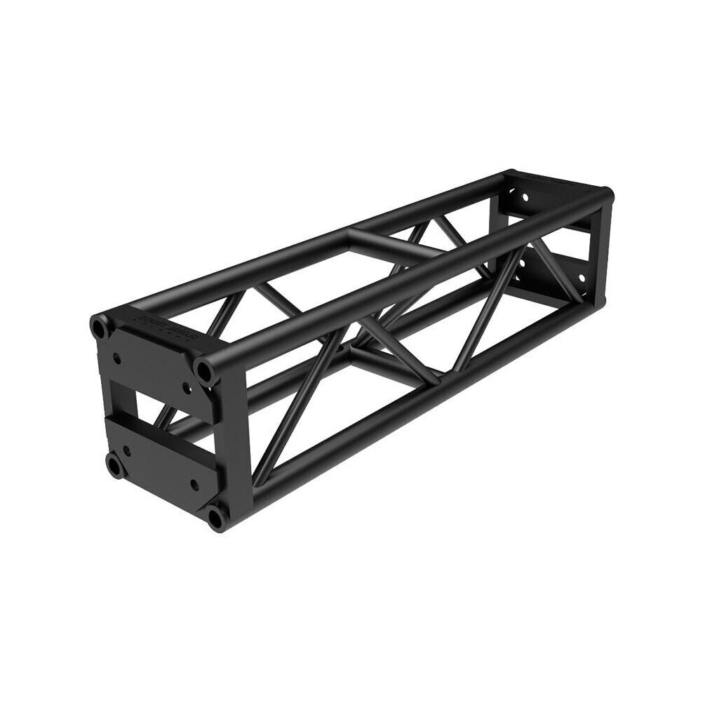
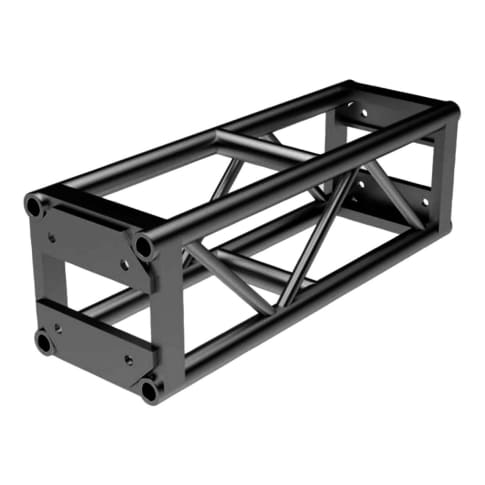
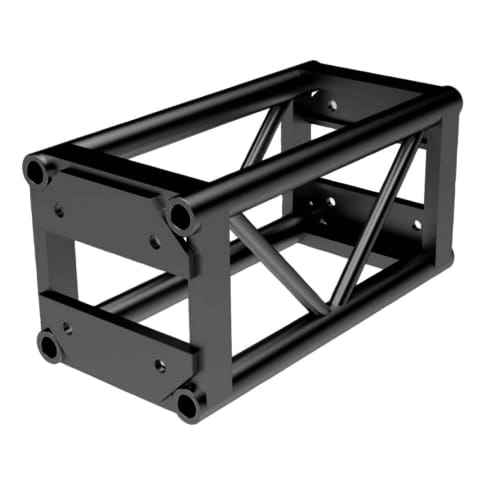
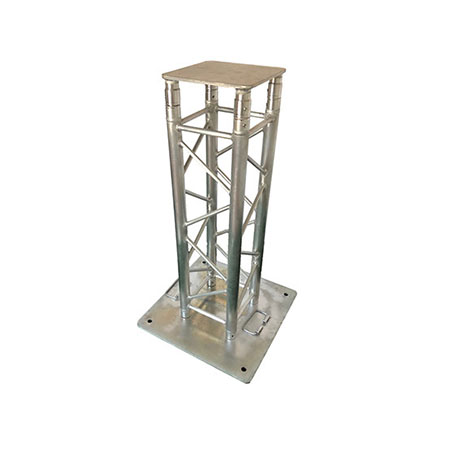
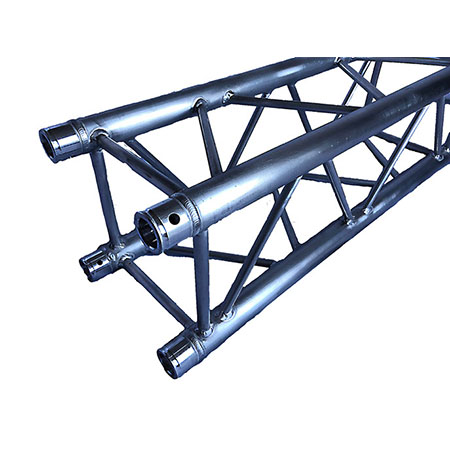
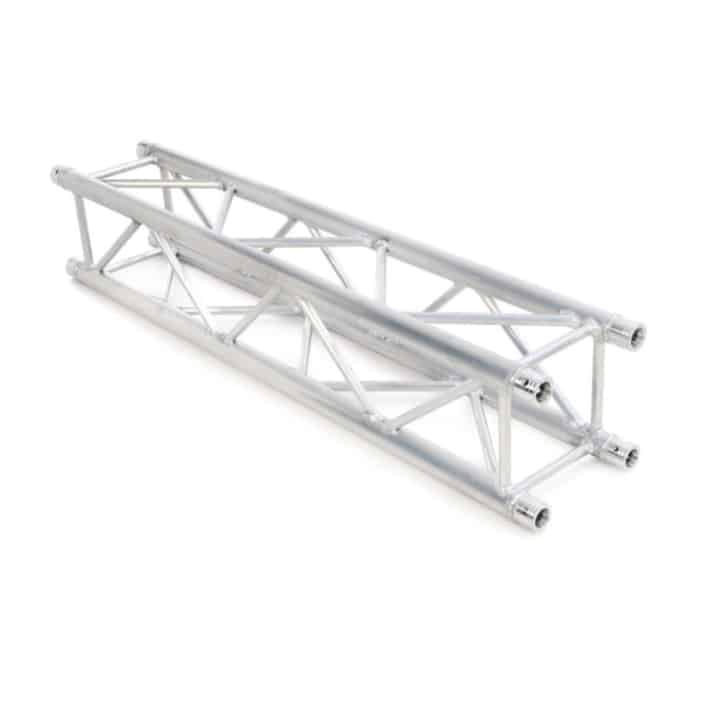
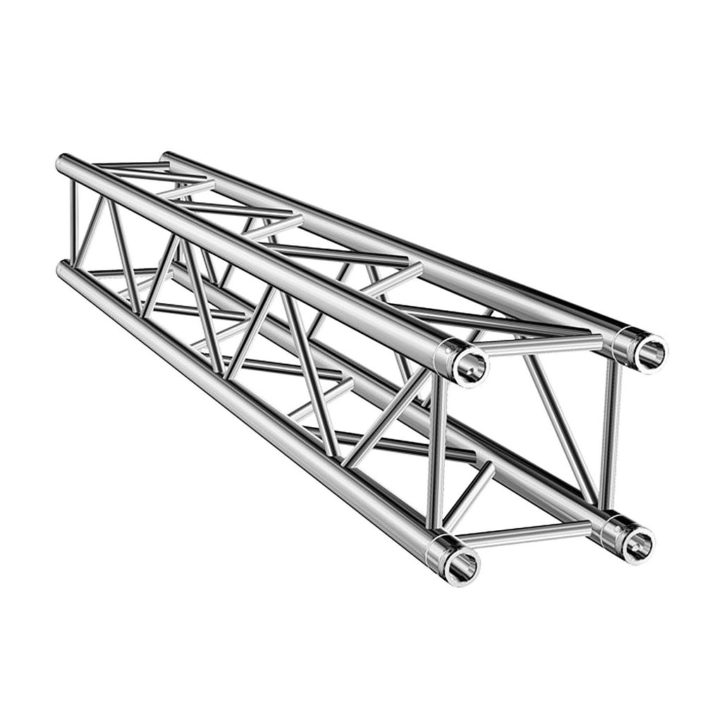
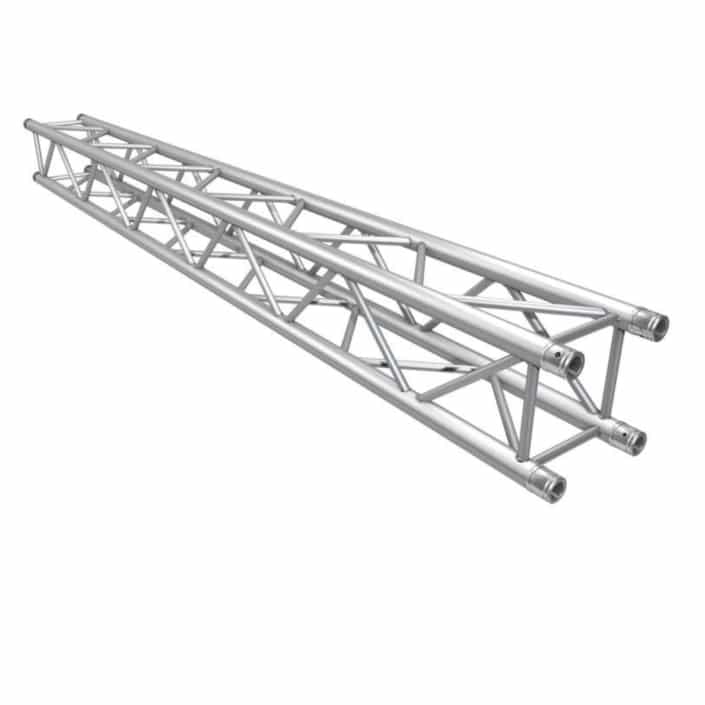
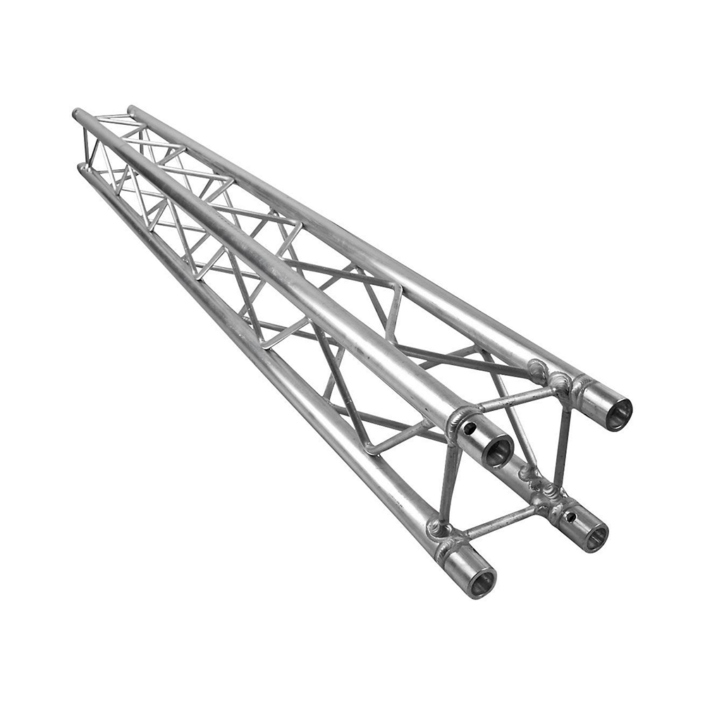
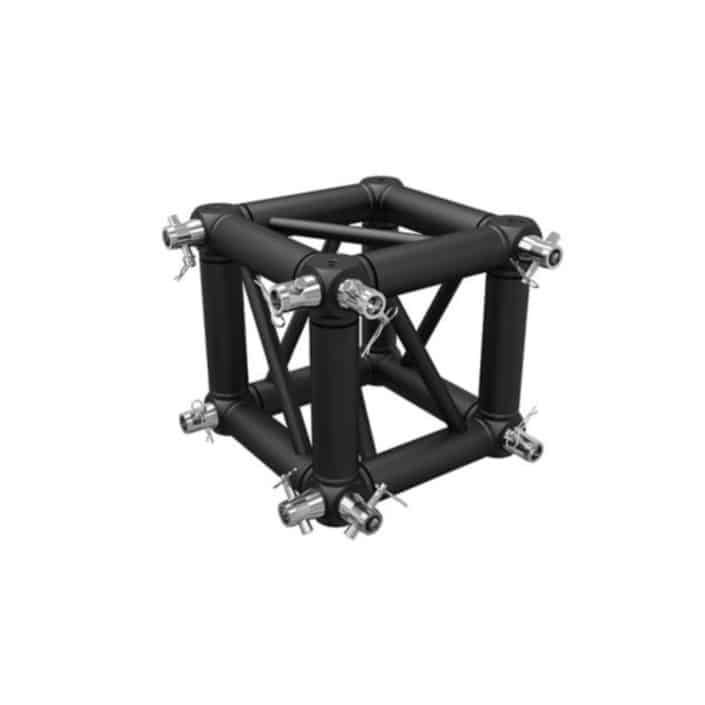
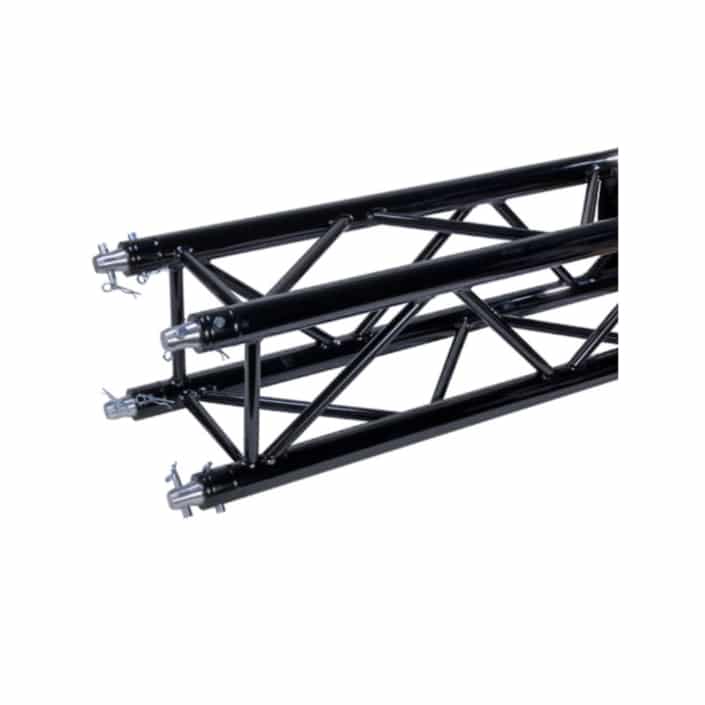
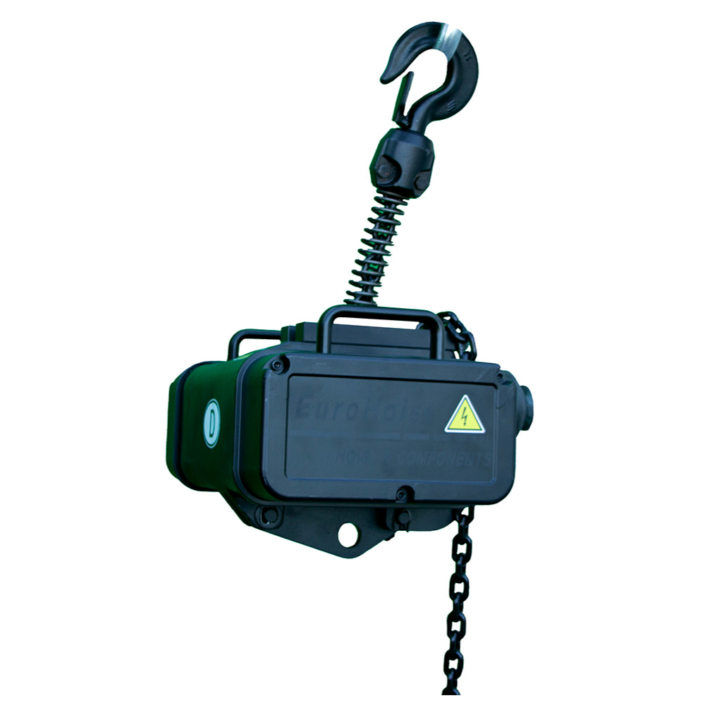
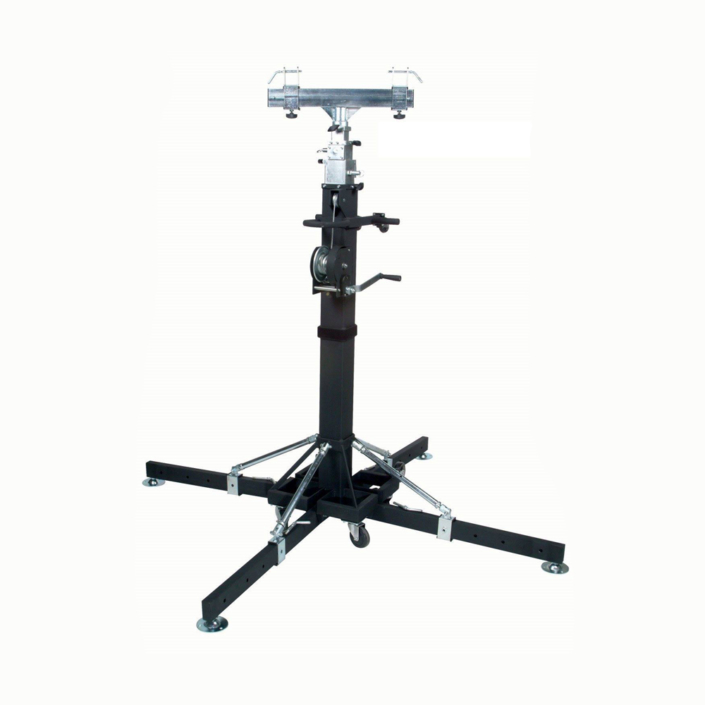
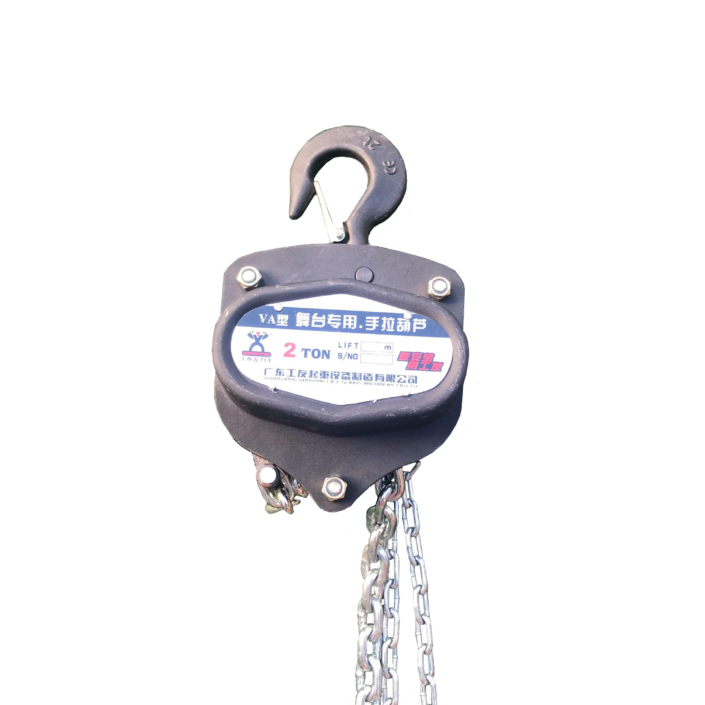
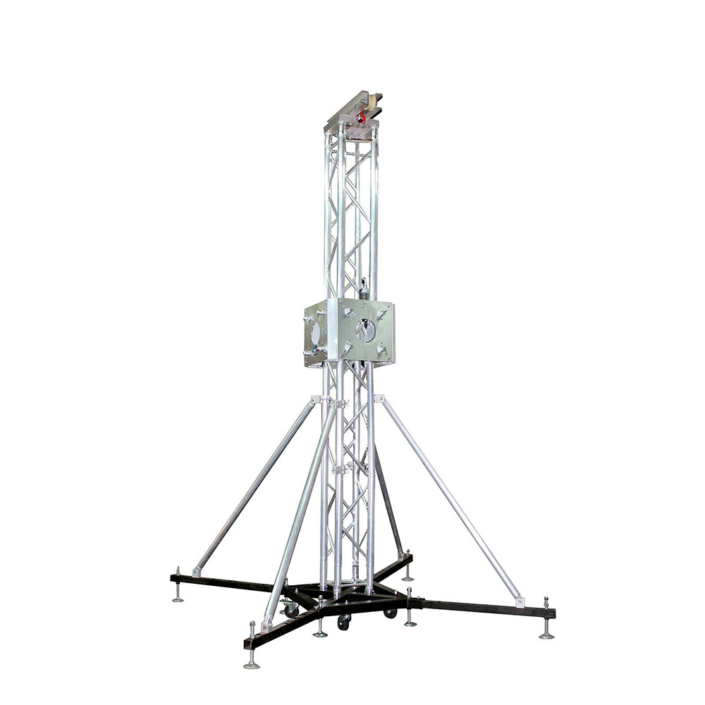
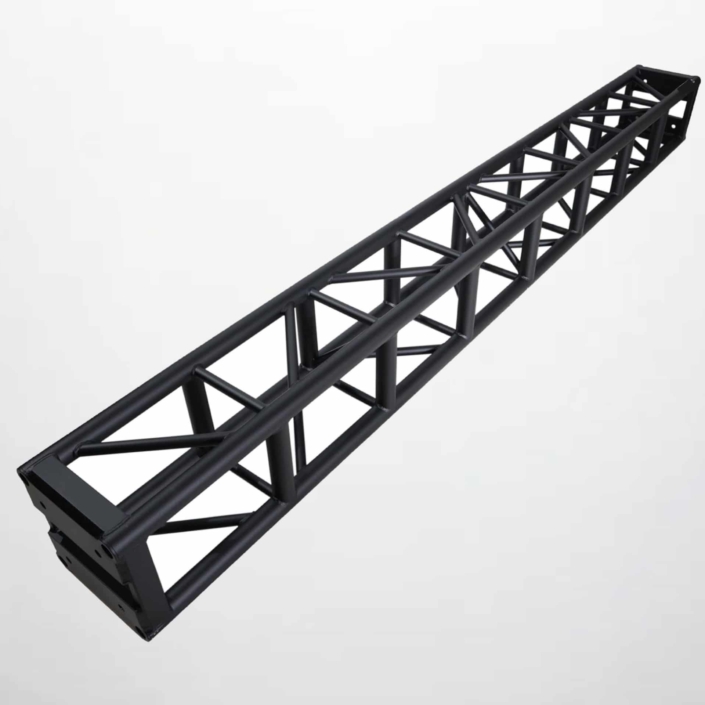
Box and triangle truss, towers and ground-support systems for hanging lighting, audio and LED walls where a venue offers no rigging points.
Stage roofs and covered structures
Roof systems for outdoor stages, engineered with load ratings and a wind plan. These need the most lead time of anything we rent.
Stairs, rails, ramps and skirting
The parts that make a stage safe and finished, quoted with the stage rather than after it.
Outdoor stages, wind and ground
Outdoor staging carries two constraints indoor staging does not. The first is ground: soft grass, sand and slopes all need levelling and load spreading, and legs sinking overnight is a real problem rather than a theoretical one. Tell us the surface.
The second is wind. Roofs and ground-support towers are rated to a specific wind speed, and above it they have to be de-rigged — not braced, de-rigged. Coastal and canyon sites around Los Angeles regularly reach that point on an ordinary afternoon. We would much rather discuss the wind plan while quoting than during the event.
How long does a stage take to build?
A small riser or an 8ft × 8ft platform is under an hour. A 24ft × 16ft band stage with stairs and skirting is a half day. A festival stage with a roof and ground support is a full day or more, plus an engineering sign-off in some jurisdictions.
What usually drives the schedule is not the stage but the venue: dock access, lift sizes, load-in windows and union rules. Give us the venue name at quote stage and we will build the schedule around its constraints.
Stage with lighting, sound and screens
Most stages need more than decking. Because we also supply lighting, audio, LED walls and projection, the rigging and the load paths get planned together instead of three suppliers discovering each other on site. If you would rather hand over the whole build, our full production service covers design, build, operation and strike as a single package.
Where we deliver
Los Angeles, Orange County and Ventura as standard, with regular stage work in San Diego, Las Vegas and San Francisco. Delivery is quoted against site access and load size and itemised separately.
Stage rental questions
Do you deliver and set up the stage?
Yes, and for anything above a single small riser we would rather do it. Staging is heavy, and an incorrectly built stage is a genuine hazard rather than an untidy one.
Can I rent a stage for one day?
Yes. Note that build and strike may fall on different days than the event, and we quote those separately so the pricing stays transparent.
What size stage do I need for a band?
24ft × 16ft is a sound working minimum for a full band with backline. Smaller works for acoustic or DJ setups.
Do I need a permit for an outdoor stage?
Often, particularly for public sites and anything with a roof or over a certain height. Permits are handled by the venue or the city rather than by your rental supplier, so start early — they can change what is buildable.
Can you build a stage on grass or sand?
Yes, with levelling and load spreading. Tell us the surface and the slope when you enquire.
How far in advance should I book?
Roof systems and large ground support need the most notice. Standard decking and risers are much more flexible.
Get a stage quote
Tell us the venue, the date, what is going on the stage and how many people are watching. We will come back with an itemised quote covering decking, height, stairs, rails, skirting, delivery, build and strike. Floor plans and stage plots are welcome and speed everything up. Contact the team to get started.



 /stage-rental/black-truss-rental-12in-10ft/