
Event Staffing and Technical Crew That Deliver
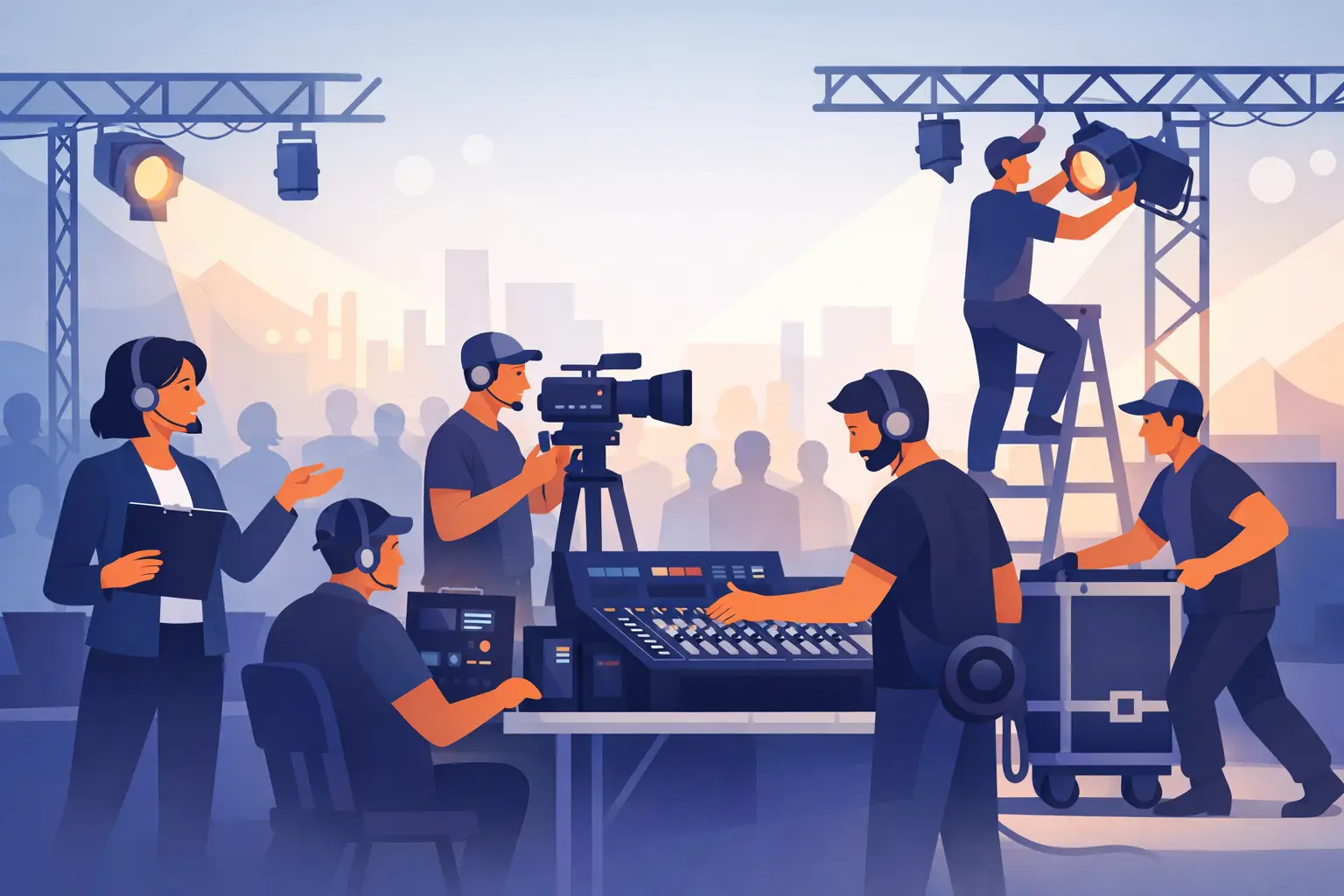
A show rarely falls apart because of one big, dramatic failure. More often, it slips because nobody is clearly responsible for the speaker handoff, the projector feed, the stage reset, or the timing between doors, cues, and content. That is where event staffing and technical crew make the difference. The right team does more than show up with headsets and black shirts. They turn a production plan into a working event, protect your timeline, and solve problems before your guests ever notice them.
For planners, venues, and producers, that matters just as much as the equipment itself. You can rent excellent audio, lighting, staging, and video gear, but without the right crew behind it, even premium equipment can underperform. A well-staffed event is not just technically functional. It feels organized, calm, and professionally managed from load-in through teardown.
What event staffing and technical crew actually cover
People often use the phrase as if it means a single role, but event staffing and technical crew can include several layers of support depending on the event. At the technical level, that may mean audio engineers, lighting technicians, video operators, stagehands, rigging support, playback techs, and show callers. On the operational side, it can include production assistants, stage managers, site crew, setup labor, and teardown support.
The exact mix depends on the format. A corporate conference with multiple presenters and breakout rooms needs a different crew structure than a wedding, festival, concert, or trade show. A general session with walk-up music, slide playback, confidence monitors, and livestream feeds requires technicians who understand cueing and signal flow. A private celebration may need fewer layers, but it still benefits from people who can manage microphones, room lighting, and schedule changes without interrupting the guest experience.
This is one of the biggest planning mistakes clients make early on. They budget for gear but underestimate labor. Then, a few days before the event, they realize somebody still needs to unload trucks, patch audio, focus lights, build stage elements, test playback, monitor the show, and strike everything safely at the end.
Why staffing decisions affect more than labor costs
It is reasonable to focus on budget. Crew is a visible line item, and when an event is under pressure, cutting labor can seem easier than cutting guest-facing production elements. But labor is often the part that protects every other investment.
A skilled crew reduces the chance of schedule overruns, equipment misuse, preventable downtime, and stressful last-minute fixes. They also protect your venue relationships. Experienced technicians understand power management, cable routing, loading restrictions, safety practices, and how to work efficiently in spaces with tight access or strict house rules.
There is also a quality issue that guests may not be able to name, but they definitely feel. Smooth transitions, clear audio, properly timed lighting changes, and quick resets create confidence. When those details are handled well, the event feels polished. When they are not, even a strong program can feel disjointed.
That does not mean every event needs a large crew. It depends on complexity, schedule, and risk tolerance. A smaller meeting with simple AV may only need a compact technical team. A multi-day show with staging, LED walls, presenter support, entertainment, and changing room layouts usually needs a deeper bench. The goal is not to overspend. It is to match staffing to the actual demands of the production.
How to scope event staffing and technical crew correctly
The best staffing plans start with the run of show, not a generic package. Before assigning labor, it helps to look at what the event is truly asking the crew to do.
If your event includes scenic setup, stage decks, flown or ground-supported lighting, multiple audio zones, video playback, live camera feeds, or quick turnarounds between segments, those are staffing drivers. The same is true for unusual load-in conditions, limited access windows, outdoor environments, and venues that require coordination with in-house teams.
Timeline matters too. An event with a simple one-day show can still demand significant labor if load-in starts at dawn, rehearsals run through the afternoon, guests arrive in the evening, and teardown must be completed overnight. Crew planning has to account for duration, breaks, shift changes, and the physical demands of the work.
This is where a production partner adds real value. Instead of leaving clients to guess how many hands they need, an experienced team can translate the event plan into labor categories and crew count. That keeps staffing aligned with the technical design, the venue conditions, and the budget.
Common crew roles and when they matter most
Not every event needs every role, but understanding the basics helps clients make better decisions.
Audio technicians handle sound system setup, microphones, playback, mixing, and troubleshooting. They are essential when speech intelligibility matters, which is nearly always at conferences, ceremonies, panels, and live performances.
Lighting technicians do more than hang fixtures. They manage power, programming, focus, cues, and room looks that affect visibility, energy, and stage presence. Good lighting can elevate a room quickly, but only when it is installed and operated correctly.
Video technicians support projection, displays, LED walls, switching, playback, and presenter content. They are especially important for events with branding, sponsor content, keynote decks, or hybrid components.
Stagehands and setup crew keep the physical production moving. They unload, build, reset, strike, and support changeovers. On fast-moving shows, they often make the difference between staying on schedule and losing momentum.
Then there is show management. A lead technician, production manager, or stage manager provides the coordination layer that keeps departments aligned. Without that role, even a talented crew can end up working in parallel instead of working together.
One vendor versus multiple vendors
Many event buyers have experienced the stress of coordinating separate companies for sound, lighting, staging, and labor. It can work, especially for buyers with strong in-house production knowledge. But it also creates more handoffs, more communication gaps, and more opportunities for finger-pointing when the plan changes.
A single production partner handling equipment and crew simplifies accountability. It usually means tighter prep, better compatibility across systems, and clearer communication during setup and show operation. If timing shifts or venue conditions change, one team can adjust faster because they are already working from the same plan.
That said, there are situations where a mixed-vendor model makes sense. A venue may require in-house labor, or a client may already have a preferred scenic fabricator or creative agency. The key is coordination. If multiple vendors are involved, somebody needs clear authority over timing, responsibilities, and final technical decisions.
What to ask before you hire a crew
Credentials matter, but practical fit matters more. Ask who will actually be on site, not just what services are available on paper. You want to know whether the provider understands your event type, your venue conditions, and your expectations around guest experience.
It also helps to ask how they handle pre-production. Good staffing is not improvised. The team should be asking about your floor plan, show flow, content needs, access schedule, power requirements, and any high-risk points such as outdoor exposure, tight turnarounds, or multiple presenters.
Budget conversations should be direct as well. A dependable provider will explain where labor is necessary, where it may be reduced, and what trade-offs come with each decision. That kind of transparency is especially important for clients balancing production quality with cost control.
For events across busy markets like Los Angeles, San Diego, San Francisco, and Las Vegas, local logistics can shape staffing more than clients expect. Parking, dock access, union rules, curfews, and venue load-in windows all affect labor planning. A crew that knows how to work within those realities can save time and prevent avoidable complications.
Event staffing and technical crew are part of the guest experience
Guests do not usually notice the crew when things go right. That is the point. They hear the vows, see the brand content, feel the energy of the room, and move through the program without distraction. Behind that experience is a team managing timing, equipment, communication, and dozens of small corrections in real time.
For first-time planners, hiring crew can feel like paying for what should be invisible. For experienced buyers, it is easier to recognize that invisible work as risk management and quality control. Both views are understandable. The difference is that one usually comes before a hard lesson, and the other comes after.
GeoEvent approaches staffing the same way it approaches production as a whole: with practical planning, dependable execution, and support that matches the real demands of the event. Whether a client needs a few key technicians or full show coverage, the goal is the same – make the day run the way it is supposed to.
If you are planning an event, think about the moments where timing, clarity, and coordination matter most. That is usually where the right crew earns its place, long before the first guest walks in.