LED Video Wall Rental for Better Events
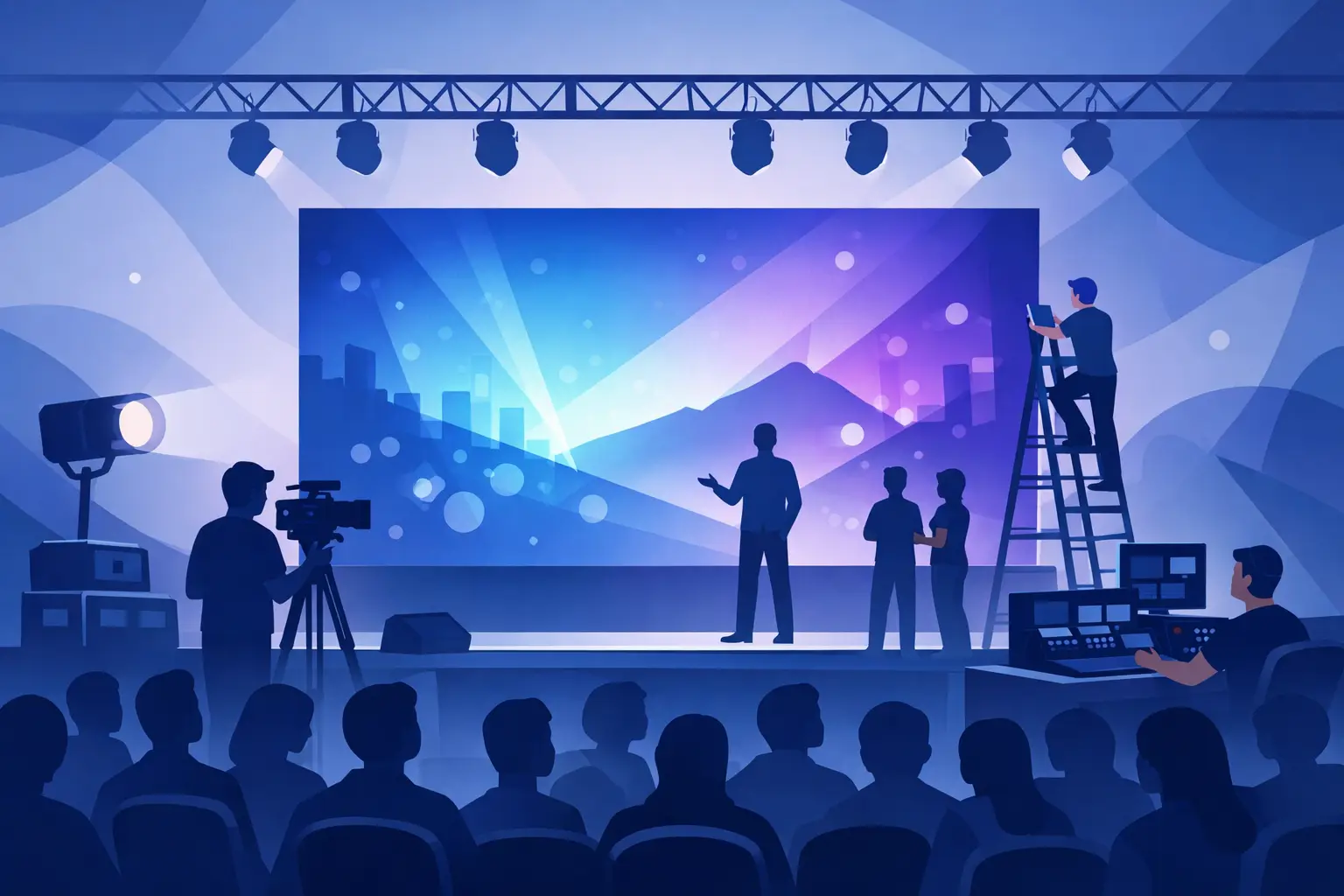
A dim projector image can flatten a keynote, disappear in ballroom lighting, or become useless outdoors before sunset. That is usually the moment planners start looking at LED video wall rental – not as a luxury, but as the practical way to keep content bright, visible, and professional in front of a live audience.
For corporate meetings, festivals, weddings, trade shows, and brand activations, LED walls solve a very specific problem: people need to see what is happening from more than a few rows back. They also need visuals that hold up on camera, support sponsor content, and keep the event feeling intentional instead of improvised. When the display matters to the audience experience, the screen choice stops being a side detail.
Why LED video wall rental makes sense
The biggest advantage of an LED wall is brightness. Unlike projection, which depends heavily on room darkness, throw distance, and screen surface, LED panels create their own light. That makes them a strong fit for general sessions, exhibit halls, outdoor events, and venues where controlling ambient light is difficult.
They are also flexible. A video wall can be built to fit a stage backdrop, a ground-supported display, a flown center screen, or a branded scenic piece. That matters when the event format is not standard. A conference may need a wide wall for presentation content, while a concert may need tall side screens for live camera feed. A trade show booth may need a compact wall with high impact in a tight footprint.
There is also a reliability factor that experienced producers appreciate. Modern LED systems are modular, which means the display can be scaled based on venue size, audience distance, and budget. That modular design also allows a qualified crew to configure the wall around real-world site conditions instead of forcing the event to match a fixed display size.
What to consider before booking LED video wall rental
The right wall starts with the audience, not the screen spec sheet. If attendees will be close to the display, pixel pitch matters more because image detail is easier to notice at short range. If the wall is primarily a large scenic element viewed from farther back, a different panel type may be appropriate. The screen that works well for a ballroom general session is not always the same one that makes sense for an outdoor music event.
Content matters just as much. PowerPoint slides, IMAG camera feed, sponsor loops, animated branding, and video playback all place different demands on the system. A wall showing text-heavy presentations needs different planning than one being used mainly for motion graphics. This is why a rental partner should ask about use case early. It affects panel choice, processing, playback workflow, and where the wall should sit in the room.
Venue logistics are the next piece. Ceiling height, rigging points, truck access, load-in windows, power availability, and local labor rules can all change the plan. A display that looks simple in a rendering can become complicated if the venue has limited access or strict install timing. That does not mean LED is the wrong choice. It means the technical planning has to happen before event day.
Budget is part of the conversation too, and it should be an honest one. LED walls can deliver major value, but cost depends on size, panel type, structure, processing, crew, and show duration. A good provider will help you decide where an LED wall creates the strongest impact and where a smaller display or different format might be the smarter spend.
LED walls versus projection
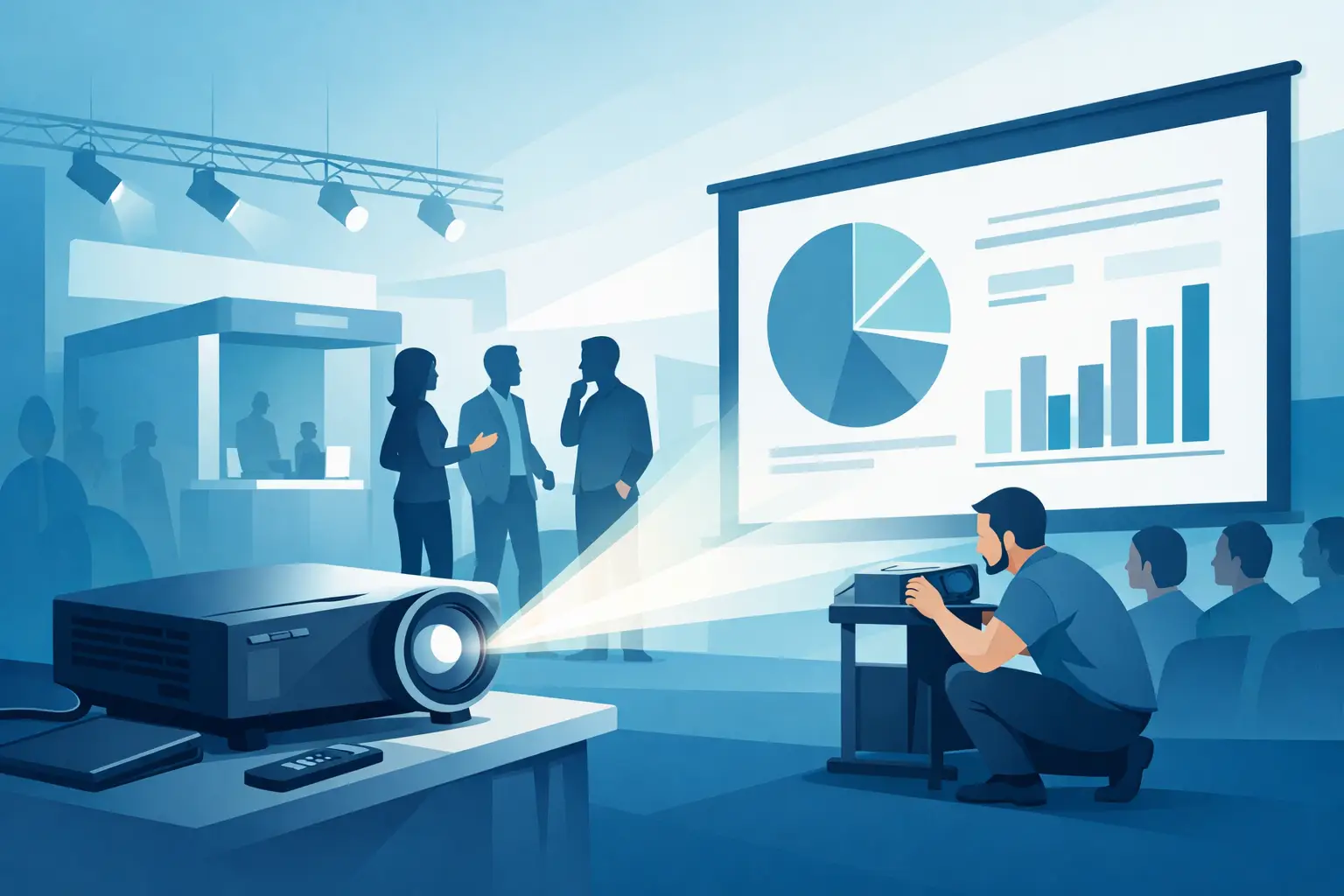
Projection still has a place. In dark rooms with controlled lighting and modest screen needs, projectors can be effective and economical. But there are clear situations where LED is the better fit.
If the room cannot be blacked out, LED usually wins. If the event is outdoors, LED is often the safer option. If you need vivid color, strong contrast, and content that remains readable from wide viewing angles, LED has the edge. It is also the better choice when the screen itself is part of the design statement rather than just a functional display surface.
The trade-off is that LED requires more planning around panel layout, structural support, signal flow, and installation. That is why the rental itself is only part of the service. The crew behind it matters just as much as the hardware.
Where LED video wall rental adds the most value
For corporate events, LED walls help presenters look polished and keep branded content legible across the room. They work especially well for general sessions, product launches, sales meetings, and awards programs where visibility and production quality affect how the audience perceives the event.
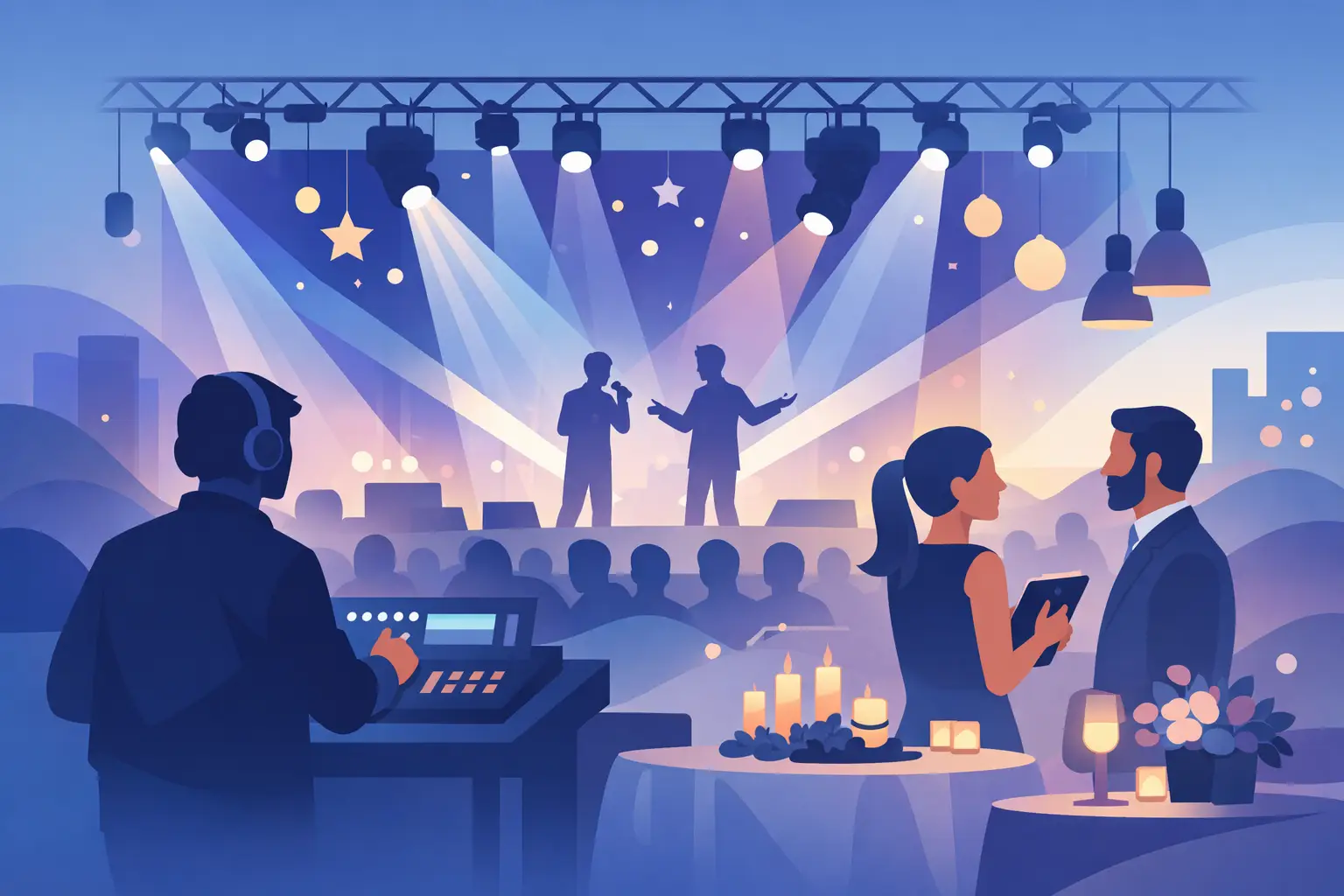
For concerts and festivals, LED supports live camera feed, motion graphics, sponsor content, and stage design in one system. It can carry the energy of the show to the back of the audience and help create a bigger visual footprint without adding physical scenic weight.
For weddings and private events, the use case is different but still valuable. LED may be used for elegant photo montages, custom visuals, monograms, live streaming support, or a high-impact backdrop for a reception or performance. Here, success usually means balancing visual impact with a clean look that still fits the tone of the event.
For trade shows and brand activations, LED is often about attracting attention fast. In crowded exhibit environments, bright dynamic content helps a booth stand out. But the wall should still serve a purpose beyond spectacle. The best setups support product messaging, demos, and audience engagement instead of simply flashing content at passersby.
What a full-service rental partner should handle
A dependable LED provider does more than deliver panels. They should help assess the venue, recommend sizing, confirm sightlines, determine whether the wall should be flown or ground-supported, and match the system to your content plan. They should also address power, processing, playback, switching, and any camera integration if live feed is involved.
On-site support is where the difference becomes obvious. Events do not run on equipment alone. They run on preparation, timing, communication, and technicians who know how to troubleshoot quickly under pressure. If your display is central to the show, you want a crew that can coordinate install, test all signal paths, manage show playback, and stay accountable through teardown.
That is especially helpful when the event includes audio, lighting, staging, and staffing from the same production partner. Fewer handoffs usually mean fewer missed details. If one team is coordinating the full technical picture, it is easier to keep the show on schedule and solve problems before they reach the audience.
Questions worth asking before you sign
Ask how the panel type is being chosen for your viewing distance. Ask what size wall is actually appropriate for the room, not just what looks impressive on paper. Ask who is handling setup, operation, and strike. Ask what happens if the venue has rigging or power limitations. Ask whether the provider has experience with your event format, whether that is a conference, wedding, festival, or exhibit install.
You should also ask about the content workflow. A great screen will still underperform if slides are built incorrectly, videos are exported at the wrong resolution, or playback is not tested in advance. A good team will help you catch those issues before show day.
If your event is taking place in Los Angeles, San Diego, San Francisco, or Las Vegas, local experience can add real value. Venue familiarity, labor expectations, truck access patterns, and timing constraints often affect execution more than clients expect.
The real goal is confidence on show day
LED walls are impressive, but the real reason to rent one is not to chase a trend. It is to make sure your audience can clearly see the content that matters and to support a better event experience from the first cue to the final teardown.
That is why the best LED video wall rental approach is not just about screen size. It is about fit. The right wall, the right crew, and the right level of support can make a ballroom presentation feel sharper, an outdoor show feel bigger, and a multi-part event feel more controlled from start to finish. GeoEvent approaches that process the same way it handles every production need – with practical planning, experienced technicians, and a focus on delivering a result clients can count on.
If you are weighing display options for an upcoming event, start with what your audience needs to see, then work backward from the venue, content, and budget. The right production partner can turn that conversation into a system that looks strong, runs cleanly, and helps the event feel fully thought through.