Live Event Production Guide for Better Shows
A successful event rarely comes down to one impressive piece of equipment. It comes down to whether every production decision supports the room, the program, and the people in it. This live event production guide outlines how to plan audio, lighting, staging, video, staffing, and logistics as one coordinated operation – before small gaps become show-day problems.
Start With the Event Experience
Before choosing a speaker package or deciding how large an LED wall should be, define what attendees need to see, hear, and do. A corporate keynote needs clear speech, comfortable sightlines, reliable presentation playback, and an efficient changeover between speakers. A wedding may prioritize warm lighting, a clean dance floor, and music that feels full without overpowering conversation. A festival requires a much broader plan for coverage, power, weather, artist changeovers, crowd flow, and crew access.
The event format also determines where production resources should go. A small room with a strong program may need more attention on microphone management and screen placement than decorative lighting. A large outdoor event may need additional delay speakers, weather protection, backup power, and a longer load-in window. The goal is not to rent the most equipment. It is to build the right system for the audience, venue, and run of show.
A useful planning conversation starts with the event date, venue, attendee count, room layout, program schedule, performers or presenters, and desired look. Share what is fixed and what is flexible. That gives the production team room to protect the essentials while finding practical ways to manage the budget.
Build the Production Plan Around the Venue
A venue can make an otherwise straightforward event technically complex. Ceiling height affects projector placement and lighting options. Existing power availability affects where stages, catering, LED walls, and sound systems can be located. Loading docks, elevators, parking restrictions, curfews, and union requirements can change labor needs and setup timing.
Whenever possible, complete a site walk before finalizing equipment. Measure key areas, confirm loading access, identify cable paths, and check where guests will enter and exit. A production plan should account for the spaces guests do not see as carefully as the room they do see. Front-of-house control positions, backstage holding areas, equipment storage, and safe crew pathways all affect the result.
For outdoor events, the venue review should go further. Wind, heat, dust, uneven ground, noise limits, and sunset timing all matter. A stage that works in daylight may need an entirely different lighting approach after dark. A screen that is readable indoors may not be visible under direct sun. Planning for actual conditions is less glamorous than selecting gear, but it is what prevents expensive last-minute changes.
Match Audio to the Room and Program
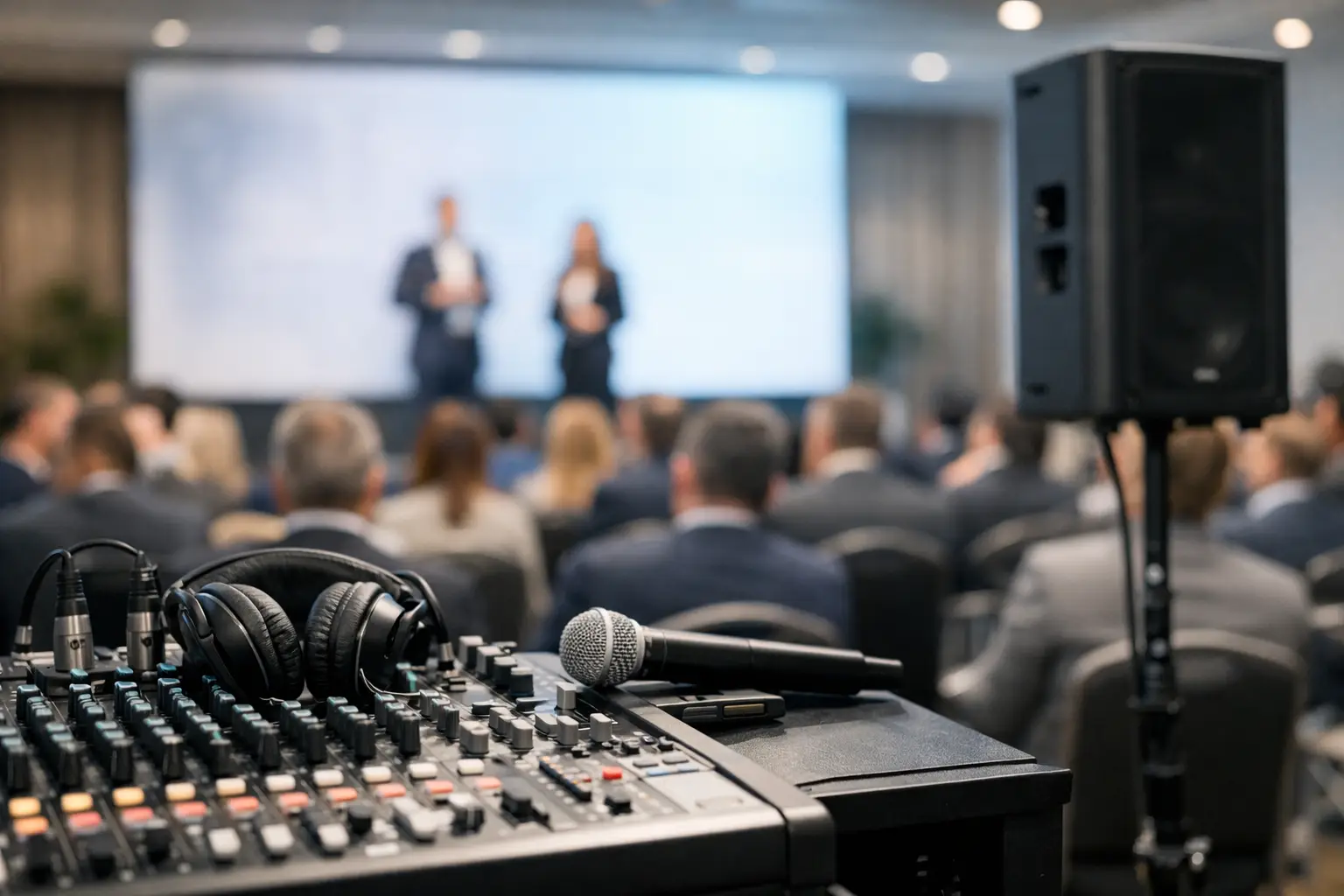
Audio is often the first thing attendees notice when it is not working. Speech that is too quiet, music that is harsh, feedback during a toast, or a presenter without the right microphone can undermine an otherwise polished event.
Start with the program. Panels and presentations typically need wireless handheld or lavalier microphones, playback audio, and a technician who can manage transitions. Live bands and DJs have different requirements for inputs, monitors, backline coordination, and soundcheck time. If an audience is spread across a large room or outdoor site, the system may need distributed coverage so guests at the back hear the same message without excessive volume at the front.
Microphone choices should be intentional. Handheld wireless microphones are dependable for presenters who pass a mic or move around. Lavalier microphones create a cleaner visual for a keynote, but they require careful placement and can be less forgiving with certain clothing or movement. Headset microphones are often the better choice for active presenters, fitness instructors, or hosts who need consistent sound while using both hands.
Do not overlook frequency coordination. In crowded urban markets such as Los Angeles, San Francisco, San Diego, and Las Vegas, wireless spectrum can be limited. A professional audio team coordinates compatible frequencies before doors open rather than hoping every wireless device behaves once the room is full.
Use Lighting and Video to Direct Attention
Lighting is not only decoration. It tells guests where to look, supports camera visibility, establishes the mood, and gives the event visual rhythm. Even a simple stage benefits from clean front light so presenters are visible, plus controlled color and texture to create depth behind them.
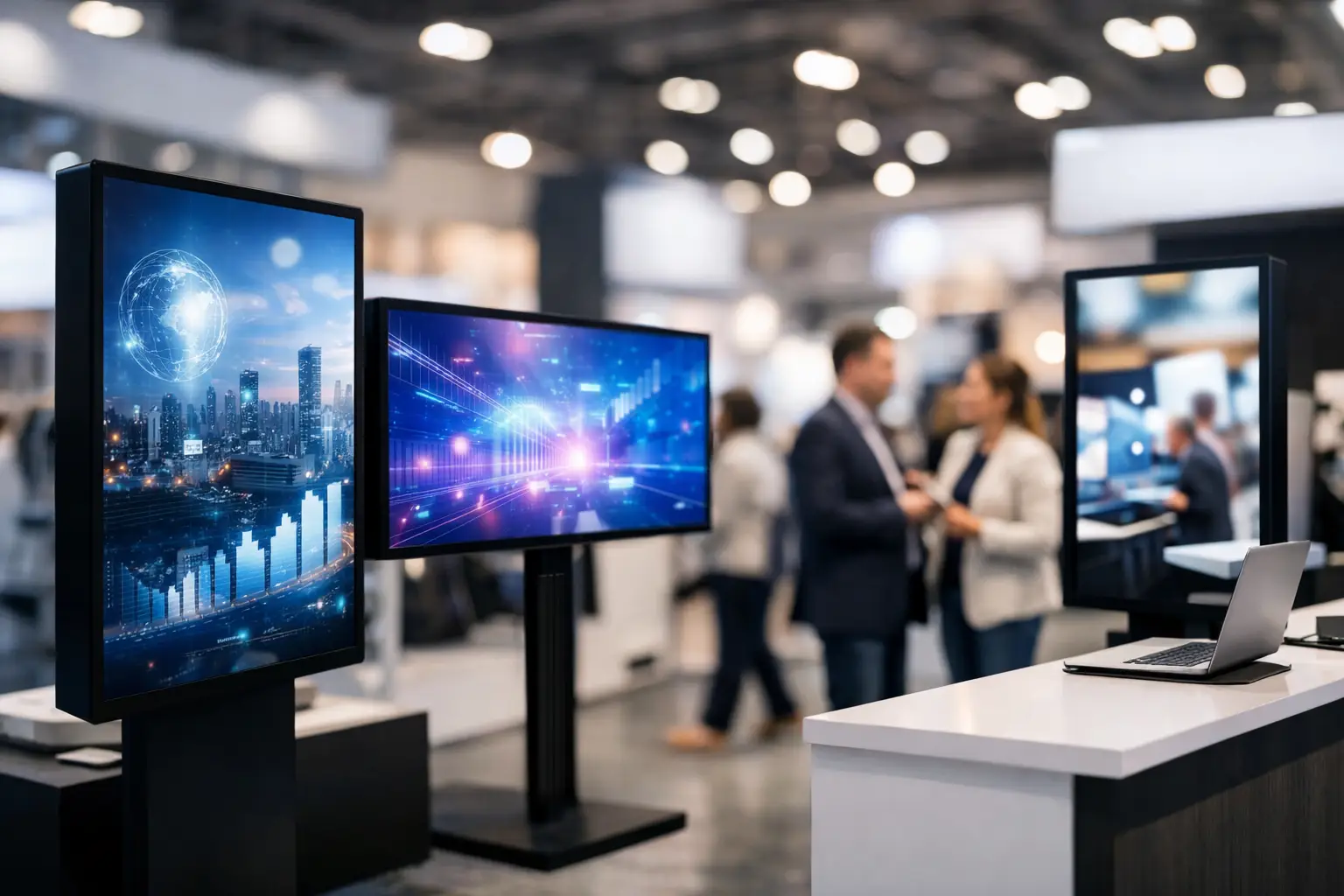
The right lighting package depends on the event’s priorities. A conference may need bright, even stage coverage and a branded color palette. A gala may call for elegant uplighting, pin spots for tables, and a more dramatic entrance. A concert needs fixtures that can shift with the performance, while a trade show may need practical lighting for exhibits and demonstrations.
Video planning deserves the same discipline. Choose projection when the room can be adequately darkened and screen size is appropriate for the viewing distance. Choose LED video walls when brightness, flexible sizing, or outdoor visibility are priorities. LED walls have a stronger visual presence, but they also require adequate power, structural planning, content specifications, and proper sightline review.
Ask early who is creating presentations, videos, and graphics. A production team can confirm the correct aspect ratio, resolution, file format, and playback process. This protects against a common show-day issue: content that looked fine on a laptop but does not fill the screen correctly or display clearly at event scale.
Plan Staging for Safety, Sightlines, and Movement
The stage is where the program becomes visible. Its size and height should reflect the room, not just the number of people on it. A stage that is too low may disappear behind seated attendees. One that is too high can feel disconnected in an intimate setting. Stairs, ramps, handrails, skirting, and backstage access should be included from the beginning.
Consider what needs to happen on stage, not just who stands there. A panel needs enough room for chairs, tables, monitors, and walking paths. A band needs space for instruments, risers, cables, and quick changeovers. A wedding stage may be modest, but it still needs to support the ceremony or entertainment without blocking important guest views.
Stage design can also bring together lighting, video, branding, and décor. The best designs do not compete with the program. They frame it, give it purpose, and make the room feel considered from the first guest arrival through the final photograph.
Create a Run of Show That Crew Can Execute
A detailed run of show turns creative plans into live operation. It should identify the timing of doors, walk-in music, announcements, video playback, speaker entrances, lighting cues, breaks, meals, performances, and load-out. It should also name the person responsible for calling major cues and the person authorized to make program changes.
A good run of show includes realistic buffers. Presenters arrive late. A meal service runs long. A band needs five more minutes to reset. Building in controlled flexibility is better than trying to recover from an impossible schedule in front of guests.
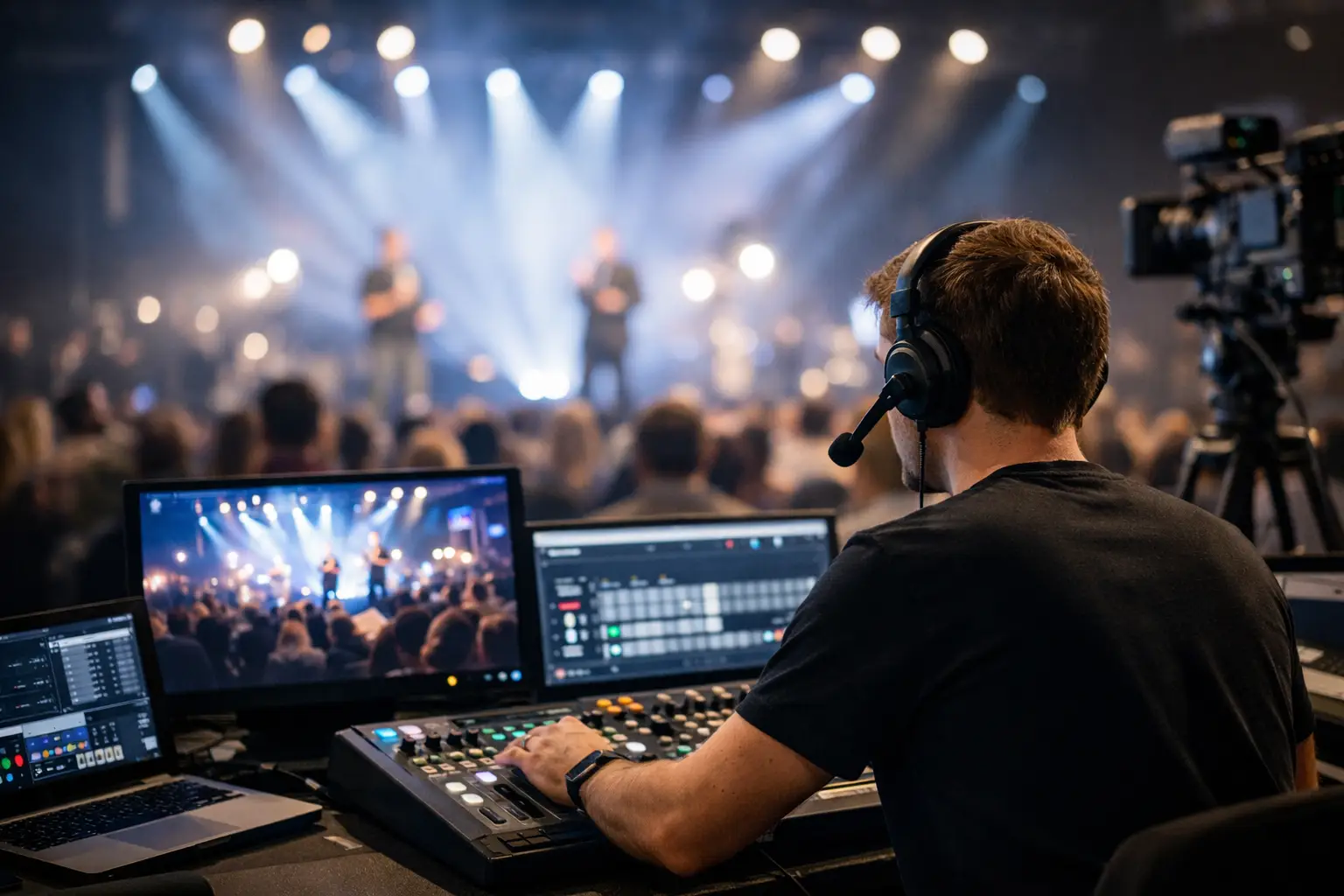
Production staffing should match the complexity of the event. A basic equipment rental may be appropriate when an experienced venue team can operate it. Events with multiple microphones, video cues, performers, lighting changes, or a tight schedule typically benefit from dedicated technicians and a production lead. The trade-off is straightforward: reducing labor may lower the initial quote, but it can shift technical risk onto the organizer, venue staff, or volunteers.
Protect the Plan With Logistics and Backup Options
Live events need contingency planning because not every variable is controllable. Review weather alternatives for outdoor programs, backup playback methods for important video, spare microphones and cables, power distribution, and emergency contact procedures. For critical presentations, it is wise to have content available in more than one format and on more than one device.
Load-in and load-out deserve their own schedule. Confirm when the crew can access the venue, where trucks can park, how equipment reaches the event space, and when the room must be cleared. A short load-in is possible with the right crew and preparation, but it may limit design options or increase labor costs. Early planning gives you choices rather than forcing compromises.
This is also where a single accountable production partner can simplify the process. Instead of asking separate audio, lighting, staging, and video vendors to solve coordination issues between them, the team can manage the full technical picture and keep communication focused.
Bring in Production Support at the Right Time
The best time to involve an event production team is before equipment needs are locked in. Early input can identify venue constraints, reduce unnecessary rentals, and reserve the right inventory and crew. That does not mean every event requires full production management. Some clients need a specific projector, speaker system, lighting package, or stage rental. Others need a partner to handle planning, setup, live operation, and teardown.
GeoEvent supports both approaches, with practical guidance for events ranging from focused private gatherings to large conferences, concerts, and festivals. The right level of support depends on how much technical responsibility your internal team can realistically carry.
Give your production plan enough time to be tested, staffed, and adjusted. When attendees enter the room, they should feel the confidence of an event that is ready for them – even if they never see the work that made it happen.