Audio Sound System Setup for Live Events
A packed room can forgive a lot. It will not forgive muddy speech, feedback during the vows, or a keynote that disappears in the back row. That is why an audio sound system setup should never be treated as a last-minute gear drop. The right setup supports the pace of the event, protects the audience experience, and gives presenters, performers, and planners one less thing to worry about.
For some events, a simple speaker-and-mic package does the job. For others, the sound system has to cover multiple zones, live music, playback, wireless microphones, recording feeds, and strict venue power limitations. The difference is not just budget. It is planning. When the setup matches the room, the program, and the audience size, sound feels effortless.
What an audio sound system setup really needs to cover
Most event clients start by asking how many speakers they need. That is understandable, but it is only one piece of the system. A reliable setup starts with the use case. A wedding ceremony has very different priorities than a trade show booth, a corporate general session, or an outdoor festival stage.
Speech-first events need intelligibility above all else. That means even coverage, clean microphone gain, and speaker placement that keeps voices clear without pushing unnecessary volume. Music-driven events need more headroom, fuller low end, and a system that stays controlled as levels rise. Hybrid formats often need both, which is where system design becomes more careful.
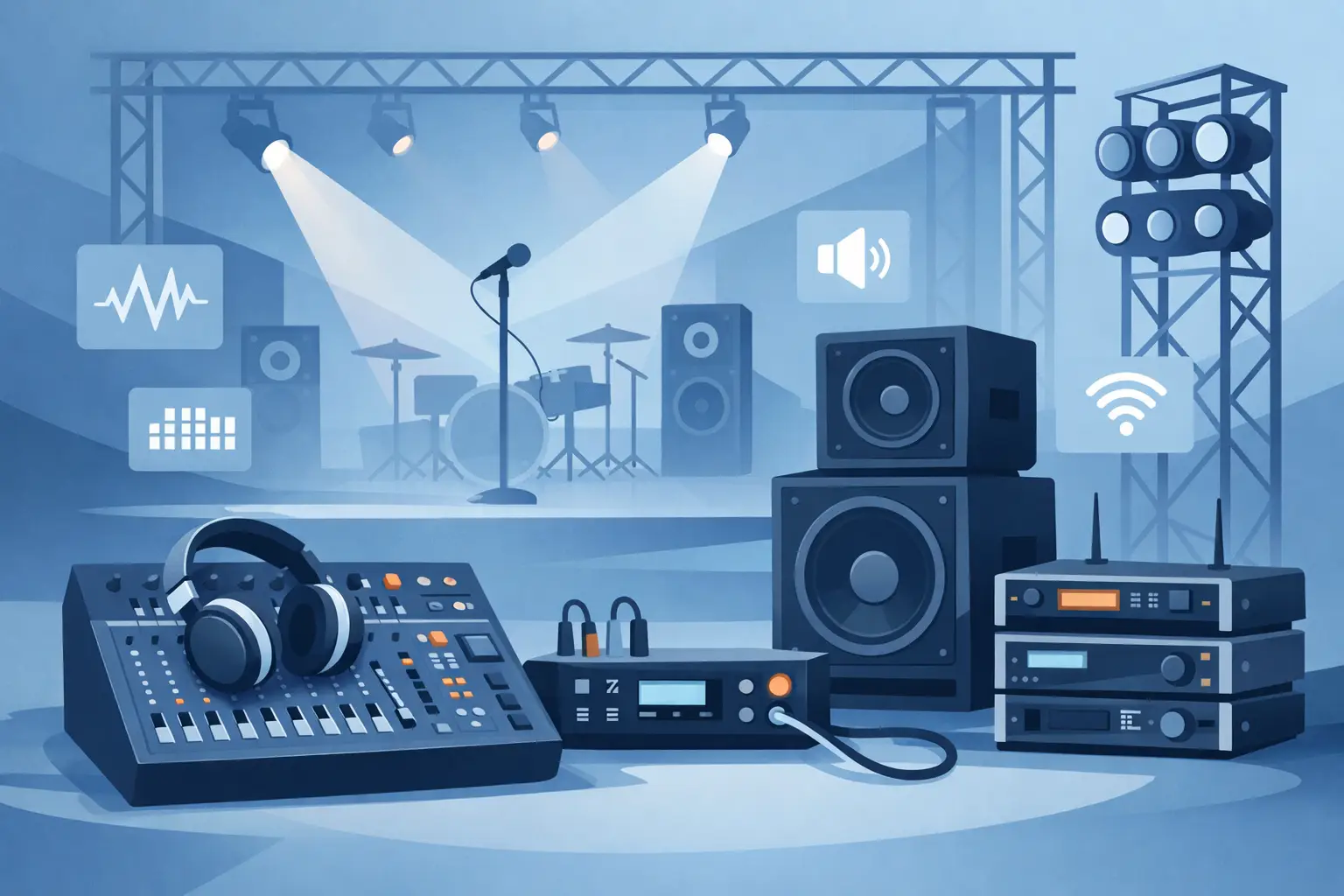
A complete event audio plan usually includes loudspeakers, subwoofers when needed, microphones, a mixer, playback sources, cabling, stands, power distribution, and monitoring for presenters or performers. In many cases, it also includes a technician who can ring out the system, manage wireless frequencies, and adjust levels in real time. Equipment matters, but operation matters just as much.
Matching the system to the event
The fastest way to overspend is to rent for maximum volume when the event really needs clarity. The fastest way to underspec the system is to assume every room behaves the same. A ballroom with carpet and drape absorbs sound differently than a concrete venue, rooftop space, or open field.
For a corporate meeting, the priority is usually consistent speech from front to back. Distributed speakers may work better than one louder pair at the stage because they keep coverage even and reduce hot spots near the front. For a wedding reception, you may need separate considerations for ceremony audio, cocktail hour playback, dinner announcements, and dance floor coverage. For a festival or concert, throw distance, wind, stage volume, and monitor needs become much more critical.
This is where an experienced production partner saves time. Instead of building from a generic package list, the system can be scaled to the actual floor plan, audience count, content type, and venue restrictions. That often produces better results than simply choosing the biggest speakers available.
Speaker placement matters more than most people expect
A strong audio sound system setup is often won or lost by placement. Speakers should cover the audience, not blast the stage or the walls. When speakers fire into microphones, feedback becomes more likely. When they are too wide, the center of the room can feel weak. When they are too low, the front rows get overwhelmed while the back rows struggle.
In speech-focused rooms, elevating speakers above audience head level and angling them properly usually improves clarity immediately. In larger rooms, delay speakers may be necessary so the back of the audience hears the program at the right level without forcing the main system too hard. Outdoors, placement becomes even more sensitive because there are fewer reflective surfaces helping sound carry.
Subwoofers also need restraint. For a dance set, low end creates energy. For a panel discussion, it adds very little value and can make the room feel boomy. Good system design is not about adding more boxes. It is about using the right boxes in the right places.
Microphones, mixers, and signal flow
If speakers are the visible part of the system, microphones and signal flow are where reliability lives. Every microphone choice affects clarity, mobility, and risk. A handheld wireless mic may be best for audience Q and A or emcees. A lavalier keeps the presenter hands-free, but it must be positioned well and monitored carefully. A headset offers stronger gain before feedback and is often the better choice for active presenters or fitness events.
The mixer should match the complexity of the show. A simple event may only need a handful of inputs for microphones and music playback. A larger program might need multiple wireless channels, video playback audio, remote call feeds, recording outputs, and separate mixes for the room, stage monitors, and livestream. If the console is too limited, even good gear becomes difficult to manage.
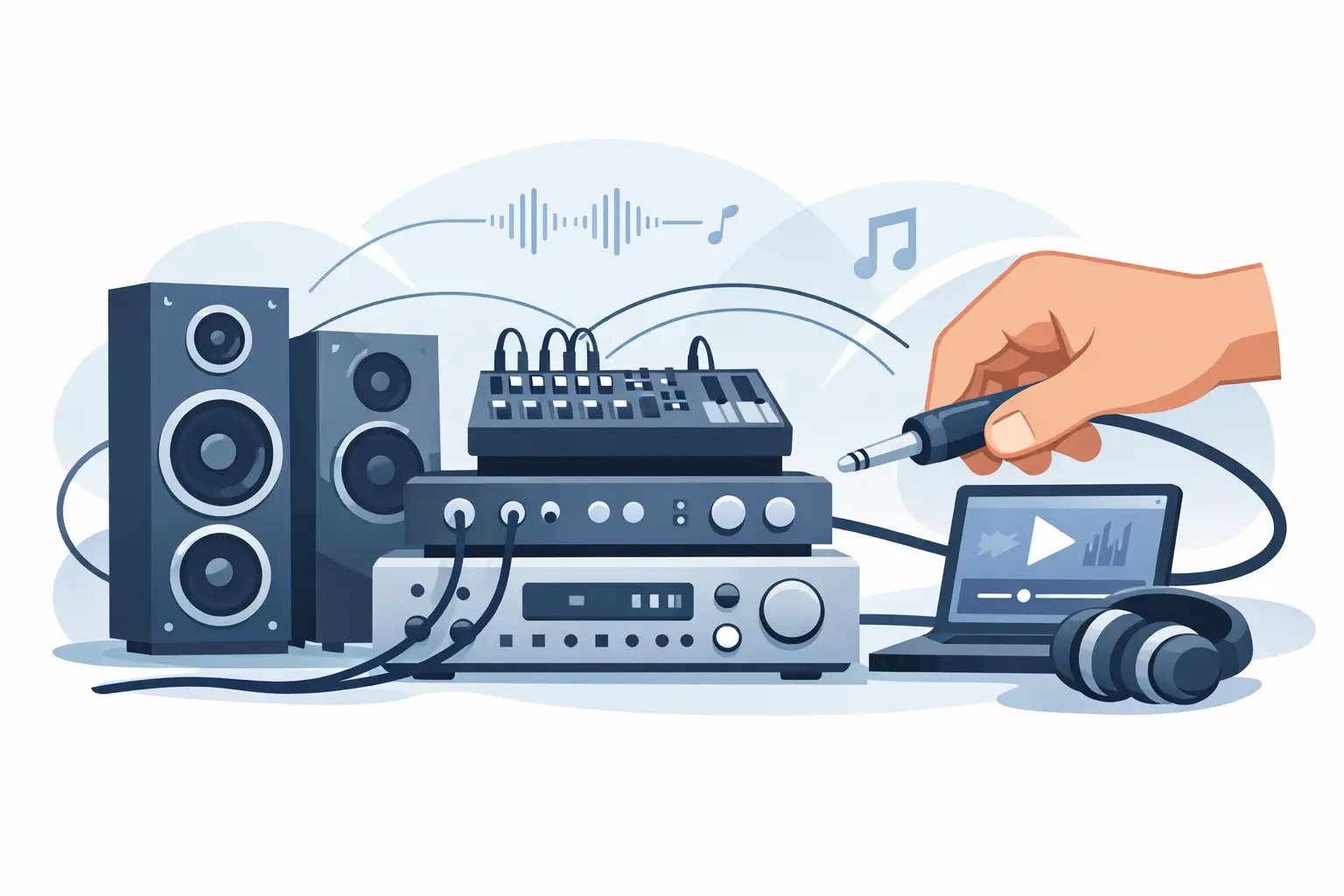
Signal flow should also be clean and intentional. Every adapter, patch point, and conversion creates another possible failure point. That does not mean complicated shows should be avoided. It means they should be built with clear routing, tested inputs, labeled lines, and backup paths where appropriate.
The venue changes everything
One of the biggest mistakes in event production is planning audio without fully checking the venue. Ceiling height, wall materials, nearby power, load-in access, stage location, and local noise rules all affect the setup.
In hotels and conference centers, rigging rules and access times may limit placement options. In private estates or outdoor spaces, power may need to be distributed across long distances or supplemented with generators. In city venues, curfews and neighborhood sound limits can affect system size and operating level. In busy event markets such as Los Angeles, San Diego, San Francisco, and Las Vegas, timing and venue coordination are often just as important as equipment selection.
A site visit is ideal, but at minimum the production team should review the room layout, audience count, run of show, staging plan, and any special moments such as walk-up music, live performers, or video playback. That is how you avoid finding out on event day that the podium blocks the speaker path or that there is no practical power near front of house.
Why staffing is part of the setup
Clients sometimes think of audio as equipment first and labor second. In practice, they are tightly connected. The best speaker package in the world will not fix a wireless coordination issue, a muted playback device, or an executive who suddenly decides to use a different microphone two minutes before doors.
A qualified audio tech does more than run levels. They check gain structure, confirm playback sources, monitor battery life, troubleshoot interference, and adapt as the program changes. On larger shows, a dedicated A1 and support crew may be necessary. On smaller events, one experienced technician can often keep the entire system steady and responsive.
For planners trying to reduce vendor coordination, this is one of the clearest advantages of working with a full-service production partner. When audio, staging, video, and lighting are coordinated together, setup is faster, cable paths are cleaner, and show changes do not get lost between vendors.
Common budgeting mistakes
Most audio problems at events are not caused by bad intentions. They come from small assumptions that add up. One common mistake is budgeting only for speakers and microphones while skipping setup labor, operation, or enough time for testing. Another is assuming indoor and outdoor pricing should be similar. Outdoor events often require more coverage, more power planning, and more weather-conscious execution.
There is also a trade-off between keeping costs low and protecting the guest experience. Sometimes the right move is a modest system because the event is intimate and speech-based. Other times, saving a few hundred dollars by reducing coverage or staffing creates a much more expensive problem if the audience cannot hear the program clearly.
The best approach is to set priorities early. If speech clarity is non-negotiable, design around that. If the dance floor is the emotional center of the night, make sure the system has the output and low-end support to carry that moment. Budget works better when it follows the actual goals of the event.
A better way to plan your setup
A dependable audio plan starts with a few practical questions. How many people need to hear the program clearly? Is the content mostly speech, music, or both? Will there be multiple zones or rooms? What are the venue access and power limitations? Who is operating the system during the event?
Once those answers are clear, the rest becomes easier. The right gear list, speaker placement, microphone package, and staffing plan can be built around the show instead of guessed at from a standard template. That is how production teams stay efficient, and how clients stay confident that the event will sound as polished as it looks.
If you are planning an event and the audio feels like one more moving piece you cannot afford to get wrong, treat the setup as part of the event strategy, not just the rental order. Good sound does not call attention to itself. It simply lets every important moment land the way it should.