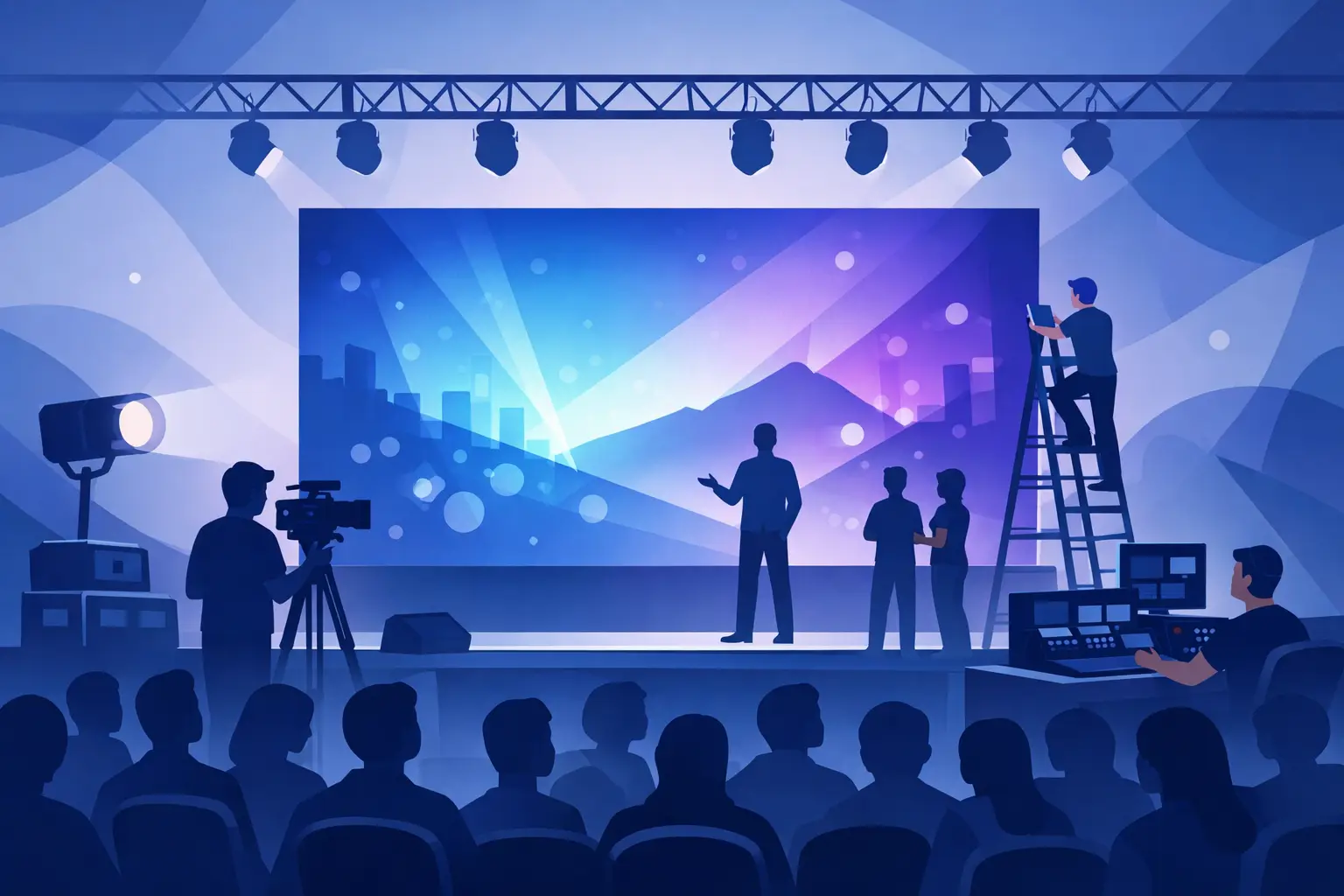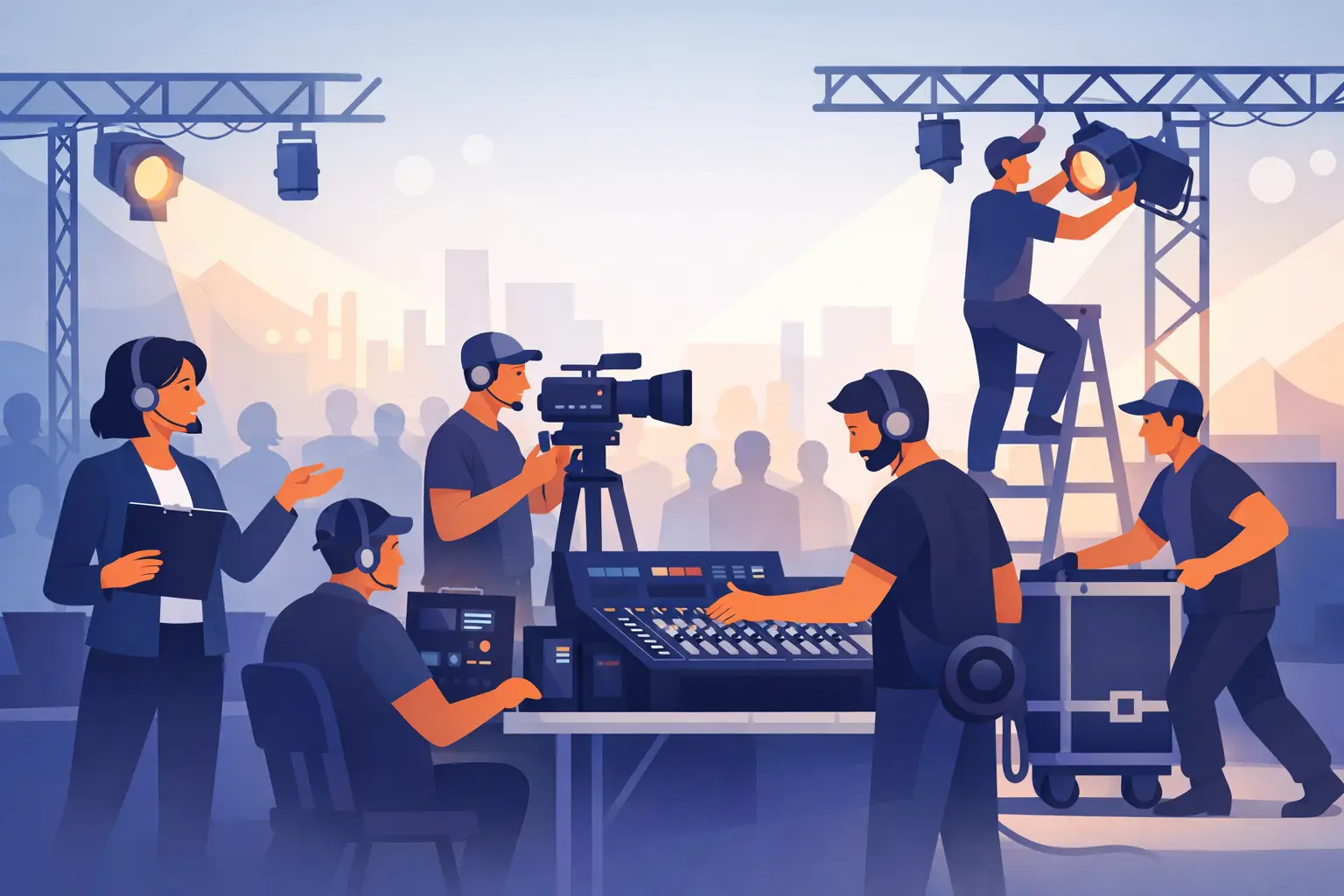
Event Lighting Design Services That Work
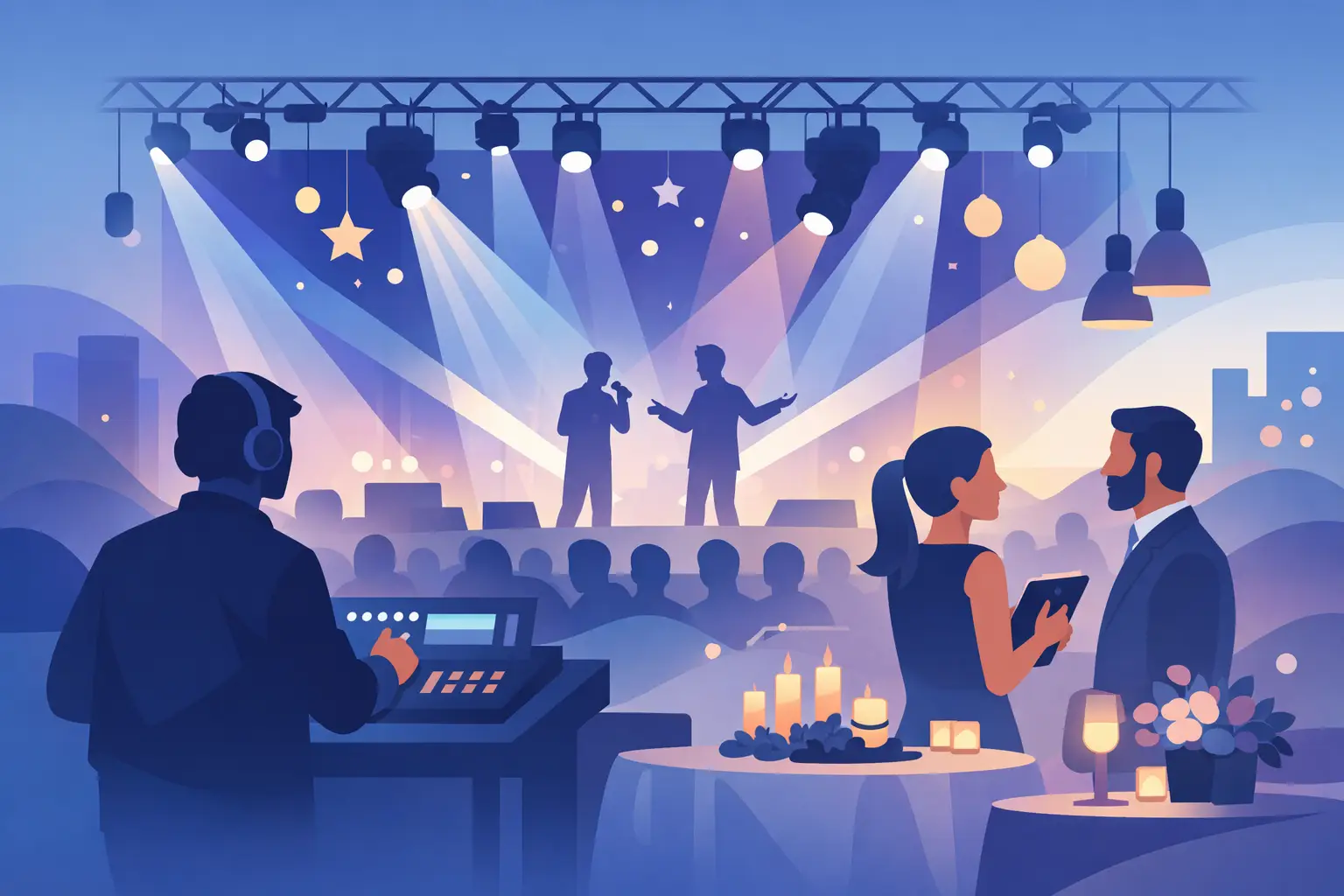
The room can have a great venue, a solid run of show, and a strong guest list – and still feel flat the moment the lights come up wrong. Harsh wash, dark corners, blown-out stage color, or awkward transitions can make an otherwise well-planned event feel unfinished. That is why event lighting design services matter. Good lighting does more than make a space look better. It helps people focus, move comfortably, and remember the event the way you intended.
For planners, venues, and production teams, lighting usually sits at the intersection of aesthetics and logistics. It has to support the look of the event, but it also has to work with ceiling height, power access, load-in timing, camera needs, and budget. That is where a professional lighting partner adds real value. You are not just renting fixtures. You are building a visual system that has to perform on cue.
What event lighting design services actually include
A lot of clients hear the phrase and picture uplights around a ballroom or moving lights over a stage. Those can be part of the package, but event lighting design services are usually broader than that. The work starts with understanding the event itself – what the audience needs to see, where attention should go, how the space should feel, and what changes need to happen throughout the program.
That process often includes fixture selection, layout planning, color palette recommendations, control programming, cue timing, rigging coordination, power planning, and on-site operation. For some events, the design is simple and clean. For others, especially conferences, concerts, galas, and multi-segment productions, the lighting plan needs to support multiple environments in one room.
A keynote session, cocktail hour, awards presentation, and after-party may all happen in the same venue. The lighting has to shift with them without slowing the event down. That is one of the clearest differences between basic fixture rental and actual design service. Design is about purpose, timing, and execution.
Why lighting affects more than appearance
The first thing most people notice is mood. Warm amber tones feel welcoming. Crisp white front light feels more corporate and focused. Saturated color can create energy, brand alignment, or drama depending on how it is used. But lighting also affects practical outcomes that matter to planners.
If a stage is underlit, speakers look tired on camera and lose visual presence in the room. If audience pathways are too dark, guest movement becomes awkward and staff spend the night solving avoidable problems. If the room is lit evenly but without contrast, there is no sense of priority. Guests do not know where to look.
That is why professional lighting design is usually less about adding more equipment and more about controlling attention. The best results come from balance. You want enough light for safety, enough shape for visual depth, and enough flexibility to support transitions without turning the event into a light show that distracts from the content.
Event lighting design services for different event types
Not every event needs the same lighting strategy, and this is where experience matters. A wedding reception may call for flattering dinner lighting, soft room color, focused pin spotting for centerpieces, and a more energetic look for the dance floor later in the night. A corporate general session usually needs clean presenter lighting, scenic accents, logo color integration, and cues that support walk-ons, videos, and panel discussions.
Concerts and festivals tend to demand more dynamic systems with programmed movement, stronger color changes, audience impact, and tighter coordination with audio and staging. Trade shows often need practical lighting that helps booths stand out without creating glare or hot spots. Private events may lean more heavily on atmosphere, while still needing enough structure to support speeches or entertainment.
The point is not that every event needs a complex rig. It is that the design should match the purpose of the event. Overdesign can waste money. Underdesign can flatten the guest experience. A good production partner helps you find the middle ground.
What to look for in an event lighting design partner
A strong lighting provider should be able to talk about visuals and logistics with equal confidence. Creative ideas matter, but so do setup windows, venue rules, rigging limitations, and backup planning. If a team only talks about fixture brands and color looks, that is only half the picture. If they only focus on operations, the result may be functional but forgettable.
Look for a partner that asks practical questions early. What is the schedule? What does the venue allow? Are there scenic elements, video walls, or projection surfaces that need coordination? Will the event be photographed or streamed? Does the room need to transform during the night? Those questions are usually a sign that the team is thinking beyond equipment counts.
It also helps to work with a company that can support other production elements in-house. Lighting does not live in isolation. It interacts with staging, audio, video, and power distribution. When one production team is managing those pieces together, communication gets cleaner and there are fewer handoff issues on site. For many clients, that is where a full-service provider like GeoEvent can reduce stress and keep execution accountable from load-in through teardown.
Budget realities and where the money goes
Lighting budgets can vary widely, and there is no single number that fits every event. Cost depends on fixture type, quantity, rigging needs, labor hours, programming complexity, operating crew, and how long the equipment is on site. Venue access can also affect pricing. A ballroom with easy ground-supported setup is very different from a venue with limited load-in, overnight work rules, or extensive rigging requirements.
This is also where it helps to be honest about priorities. If the event revolves around speakers and branded content, invest first in clean stage lighting and controlled room looks. If the event is primarily social and photo-driven, atmosphere and decorative accents may deserve more of the budget. If there is a live band or DJ set later, the system may need to do both.
A good lighting team should be able to suggest options. Sometimes a smaller number of well-placed fixtures creates a stronger result than a larger package used without a clear plan. Budget-conscious execution does not mean cutting corners. It means choosing the pieces that actually improve the experience.
Common mistakes event lighting design services help avoid
One of the most common problems is treating lighting as a last-minute add-on. By the time the room layout is locked, power is assigned, and the timeline is compressed, there may be fewer good options available. Lighting works best when it is considered early enough to coordinate with staging, scenic design, and AV needs.
Another mistake is relying on house lights alone. Venue lighting can be useful, but it is rarely designed to support the exact mood, camera quality, or stage focus an event requires. It tends to be broad and functional rather than intentional.
There is also a tendency to underestimate transitions. An event can look great during doors and still struggle during walk-up music, presentations, dinner service, and entertainment changes if cueing is not planned. Good lighting design accounts for the in-between moments, not just the hero shots.
How the planning process should feel
From the client side, the process should feel organized and clear. You should be able to explain the event goals, share the schedule and venue details, and get practical guidance in return. The right team will translate your goals into a plan that makes sense visually and operationally.
That does not mean every client needs to know technical terms. Experienced planners may come in with fixture preferences, CAD requests, and cue notes. First-time clients may only know they want the room to feel polished, warm, and high-end without going over budget. Both are workable starting points.
What matters is having a team that can turn those inputs into a design that supports the event, respects the venue, and holds up under show conditions. That is the difference between lights that are present and lighting that is doing its job.
When local knowledge makes a difference
For events in markets like Los Angeles, San Diego, San Francisco, and Las Vegas, local venue familiarity can save time and prevent surprises. Different venues have different rigging rules, labor expectations, access schedules, and power constraints. A provider that already understands those conditions can often plan more efficiently and spot risks earlier.
That kind of familiarity is especially useful when schedules are tight or events involve multiple vendors. It shortens the back-and-forth and helps the production plan stay realistic.
The best event lighting design services do not start with equipment. They start with the experience you need to create, then build a system that supports it reliably. When that work is done well, guests may never think about the lighting directly. They simply feel that the room looked right, the stage carried authority, and the event ran the way it should. That is usually the strongest result you can ask for.