Outdoor Movie Screen Rental Done Right
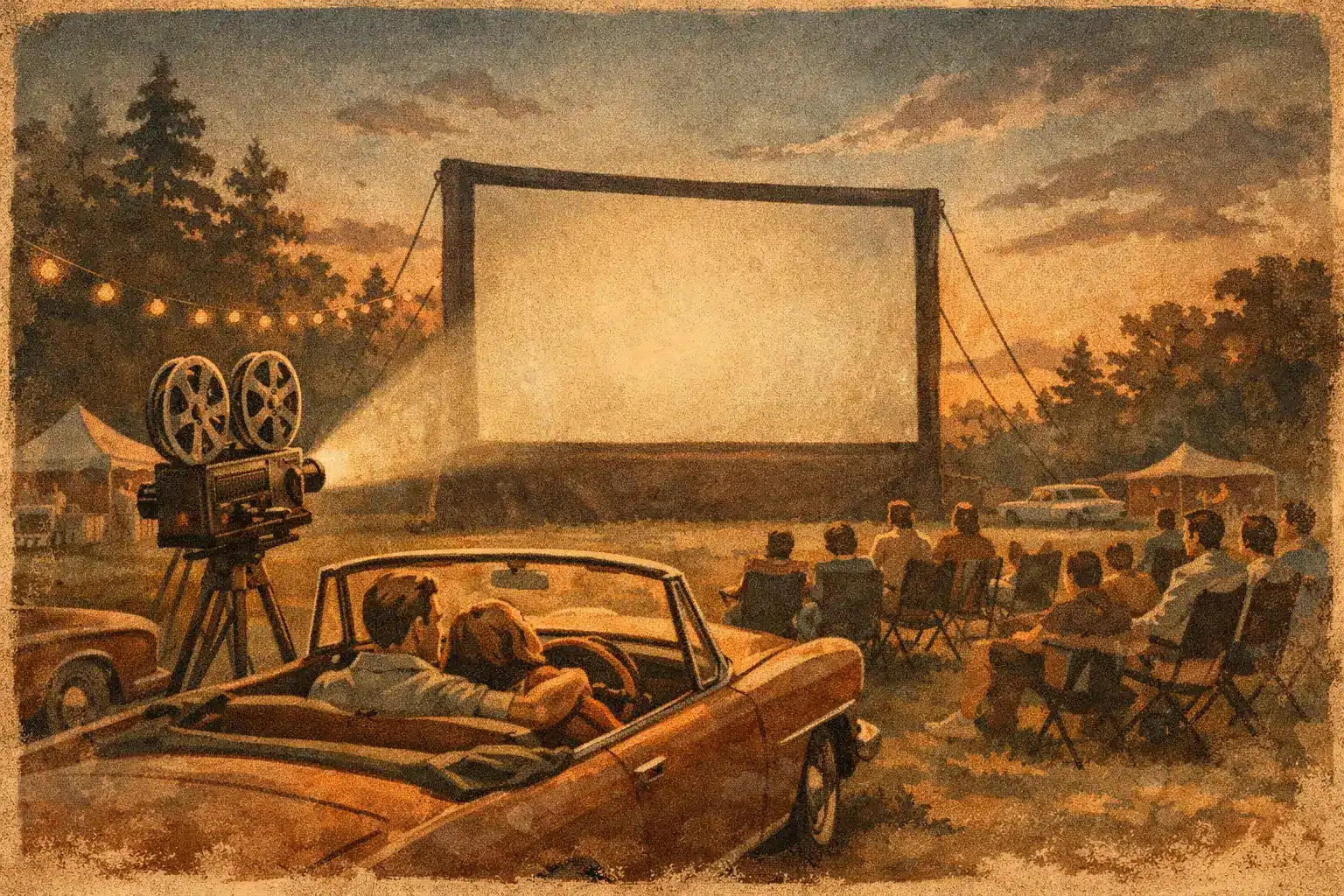
A backyard movie night can feel simple until you picture 200 guests, uneven ground, neighborhood light spill, and a start time that cannot move. That is where outdoor movie screen rental stops being a nice extra and starts becoming a production decision. The screen is only one piece of the experience. Brightness, projection distance, audio coverage, power, wind conditions, and crew support all affect whether guests settle in for a great show or spend the night squinting at a washed-out image.
For event planners, venues, and private clients, the real goal is not just getting a screen on site. It is making sure the presentation works for the space, the audience size, and the schedule. That is why the best rentals are planned around the event itself, not around a one-size-fits-all package.
What outdoor movie screen rental actually includes
When people hear outdoor movie screen rental, they often think only about the inflatable or frame screen. In practice, a successful setup usually includes the screen surface and support system, the right projector, audio playback, cabling, playback source, and setup and teardown labor. Depending on the event, it may also include a media server, switching equipment, microphones for announcements, staging, lighting, and on-site technicians.
That matters because outdoor environments are less forgiving than indoor rooms. A projector that looks great in a ballroom may struggle at dusk in an open park. Speakers that work for a small family gathering may not cover a corporate audience spread across a wide lawn. If the event is public-facing, there may also be permitting, crowd flow, and safety considerations tied to where the screen and support equipment can be placed.
A good rental partner helps narrow those variables early so the final setup matches the event instead of creating last-minute workarounds.
Choosing the right outdoor movie screen rental for your event
The right screen size depends on more than headcount. Audience layout is just as important. A compact screen can work well for a tightly grouped VIP event, while a wider setup may be better for a school, community, or corporate gathering where guests are spread out on blankets and chairs.
Viewing distance is another major factor. If guests are seated too far back, even a technically clear image can feel small and underwhelming. On the other hand, oversizing a screen for a tight footprint can create awkward sightlines and force projector placement into inconvenient areas. The best approach is to plan screen size, throw distance, and audience geometry together.
Content also changes the equation. A feature film, slideshow, sports broadcast, and branded presentation do not all place the same demands on the system. Movies need contrast and steady image quality. Live sports benefit from brightness and motion clarity. Corporate content often needs legible text and logos, which can require different screen sizing and projector specs than entertainment programming.
Why projector brightness matters more outdoors
If there is one mistake that causes the most disappointment, it is underestimating ambient light. Streetlights, venue lighting, sunset timing, illuminated buildings, and even a bright moon can reduce image impact. That is why projector brightness should be matched to the site, not guessed based on indoor experience.
For smaller private events, a modest projector may be enough if the screen is not too large and the show starts after dark. For larger audiences or earlier evening start times, higher-lumen projection becomes much more important. The same goes for events in urban settings where background light cannot be controlled.
This is also where professional planning helps protect the budget. Renting a giant screen without enough projector output usually leads to poor results. Renting more projection power than the event needs can waste money. The smart move is balancing screen size, brightness, and show timing so the image looks strong without overbuilding the system.
Audio can make or break the experience
A lot of outdoor movie events focus heavily on visuals, then treat sound as an afterthought. Guests notice that immediately. If dialogue is muddy, volume is uneven, or delay reaches the back of the audience, even a great-looking screen will not save the event.
Outdoor spaces absorb sound differently than indoor venues. There are no walls helping contain the audio, and wind can affect intelligibility. A small speaker pair may work for a private backyard film screening, but larger gatherings often need distributed audio or a more deliberate speaker layout to keep coverage consistent.
The event type matters here too. A wedding after-party showing a short film has different audio demands than a public movie night or a branded event with emcees, sponsor messages, and pre-show music. If microphones or live announcements are part of the program, the system needs to support those cleanly alongside playback.
Site conditions change everything
Outdoor movie screen rental is rarely plug-and-play. Ground surface, available power, access paths, loading restrictions, and local weather all affect setup. A park lawn, hotel courtyard, rooftop, beachside property, and parking lot each create different technical requirements.
Wind is one of the biggest concerns. Inflatable and large-frame screens need secure anchoring, and some locations limit staking or require alternative ballast solutions. If the site has tricky access, load-in may require additional crew time or smaller transport carts. If power is far from the screen position, cable runs need to be planned safely and cleanly.
This is where experienced production support pays off. A pre-event site review can catch issues before they affect the show. It is much better to discover a power gap, a difficult projection angle, or a permit concern during planning than during guest arrival.
When a DIY setup makes sense and when it does not
There are times when a simple equipment rental is enough. A small private event with a controlled guest count, a straightforward site, and someone comfortable handling playback may do well with a basic package. If expectations are modest and timing is flexible, that route can be practical.
But many outdoor screenings are less simple than they seem. Corporate planners often need a polished presentation and zero technical surprises. Wedding clients want the moment to feel effortless, not improvised. Public events need stronger coverage, safer cable management, and dependable timing. In those cases, crew support is usually the better investment.
The difference is accountability. When a professional team handles setup, testing, live operation, and teardown, the client is not troubleshooting brightness, sound, or playback during the event. They are focused on guests and schedule instead.
What to ask before booking an outdoor movie screen rental
A strong vendor conversation should get specific fast. Ask what screen sizes are available and which one fits your expected audience. Ask what projector brightness is recommended for your start time and location. Confirm whether audio is included, who handles playback, and whether a technician will remain on site during the show.
It is also smart to ask about power needs, weather policies, setup timing, and what the crew needs from the venue. If your event includes presentations, sponsor reels, or live remarks before the movie, mention that early. Small programming details often affect the equipment package more than clients expect.
For planners managing multiple moving parts, a single partner can simplify the day considerably. If the same team can support screen, projection, audio, staging, and on-site execution, there are fewer handoffs and fewer opportunities for miscommunication. That is often the difference between a rental order and a well-run event.
Outdoor movie events work best when the production fits the audience
A neighborhood movie night, a resort screening, a campus event, and a branded corporate activation may all use an outdoor screen, but they should not look identical. The right setup reflects the audience experience you are trying to create. Some events need a clean, budget-conscious package. Others need a fully managed production with crew, announcements, custom playback, and support from load-in through strike.
That flexibility is what makes outdoor screenings so effective. They can feel relaxed and informal or highly produced and premium. The key is building the system around the real conditions of the event rather than assuming any screen will do.
Teams like GeoEvent often support this kind of work best when brought in early, while there is still time to shape the technical plan around the venue, timeline, and budget. That early coordination tends to reduce stress, avoid unnecessary rentals, and protect the guest experience once the show starts.
If you are planning an outdoor screening, think beyond the screen itself. The strongest events come from matching equipment, crew, and site planning to the moment you want people to remember.