How Event Production San Diego Comes Together
A ballroom can look perfect in a site visit and still become difficult once a stage, guest seating, catering, cameras, speakers, and a working crew all need the same floor space. That is why event production San Diego is not simply a matter of renting AV equipment. It is the coordinated work of turning a venue, schedule, and event goal into an experience that feels polished for guests and manageable for the people running it.
For a corporate presentation, that may mean clear speech, confident walk-on music, branded visuals, and quick presenter changes. For a wedding, it may mean protecting the intimacy of the ceremony while making sure every guest hears the vows. For a festival or concert, it means building a system that can perform reliably for hours under real operating conditions. The right production plan starts with what the audience needs to see, hear, and feel, then backs into the equipment, crew, timing, and logistics required to deliver it.
Event Production San Diego Starts With the Event Plan
Production decisions are easier and less expensive when they happen before equipment is loaded onto a truck. A productive planning conversation covers the event format, guest count, venue rules, room layout, power access, load-in timing, program schedule, and the people who need to use the system. It should also identify the moments that cannot fail: the keynote, ceremony entrance, product reveal, headliner set, awards announcement, or live stream.
The venue matters as much as the event concept. A hotel ballroom may have built-in screens and limited rigging points. An outdoor waterfront event may need weather planning, cable protection, generator power, and a sound system designed to cover a wide audience without disturbing neighboring spaces. Historic venues, rooftops, beaches, and temporary festival sites each introduce their own access and permitting considerations.
This is where an experienced production partner provides real value. Instead of selecting equipment from a generic list, the team can match the system to the room, audience, and run of show. That reduces the risk of paying for gear that does not solve the actual production challenge or, worse, discovering a critical gap during setup.
Build the Technical Scope Around the Audience
A small meeting with 75 attendees does not need the same audio package as a 1,000-person outdoor gathering. But smaller does not mean less important. A poorly placed speaker, dim projection screen, or unsupported presenter can affect the entire guest experience, regardless of event size.
Audio planning should account for spoken word, playback, live music, microphones, monitor needs, and the physical characteristics of the room. Lighting should support visibility, atmosphere, and video capture when cameras are involved. Visuals may call for projection, confidence monitors, LED video walls, or a combination of formats depending on ambient light and viewing distance.
There are trade-offs. Projection can be a practical choice indoors where light can be controlled, while an LED wall is often the stronger option for bright rooms or daytime outdoor events. An elaborate lighting package can create a dramatic environment, but it needs enough setup time, power, and control infrastructure to be worthwhile. Good production is not about choosing the biggest package. It is about choosing the package that performs for the event’s conditions.
One Accountable Team Reduces Vendor Friction
Many event problems begin at the handoff between vendors. The staging provider arrives with a platform that does not accommodate the LED wall. The AV team needs power in a location the venue did not expect. The décor layout blocks a camera position. A schedule change leaves no time for soundcheck.
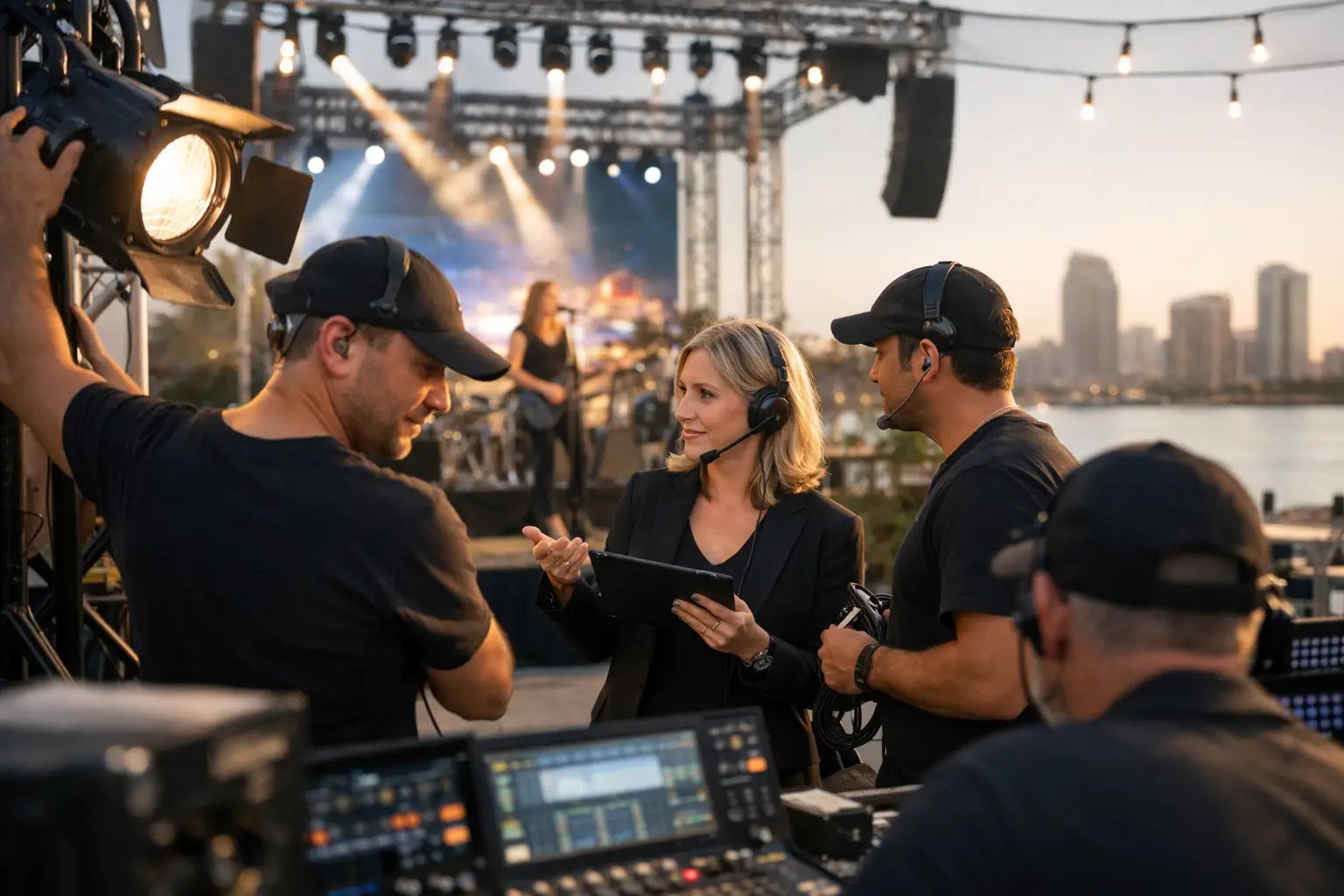
Working with one production partner for audio, lighting, staging, video, design, staffing, and management gives the event a clearer chain of responsibility. The team can review how each element affects the others before load-in begins. It also gives planners one point of contact when a schedule changes, the floor plan moves, or an added presenter needs a microphone.
That does not mean every event needs a full production takeover. Some clients only need a projector rental, a sound system, or supplemental lighting. Others need a crew that can manage planning, venue preparation, installation, live operation, and teardown. The right level of support depends on the complexity of the event, the experience of the internal team, and how much risk the organizer is prepared to carry.
For a lean in-house team, full-service support can free planners to focus on guests, speakers, sponsors, and program details. For an experienced production manager, targeted equipment and technical staffing may be the more efficient choice. A flexible provider should be able to support either model without forcing a larger scope than the event needs.
The Crew Is Part of the Production System
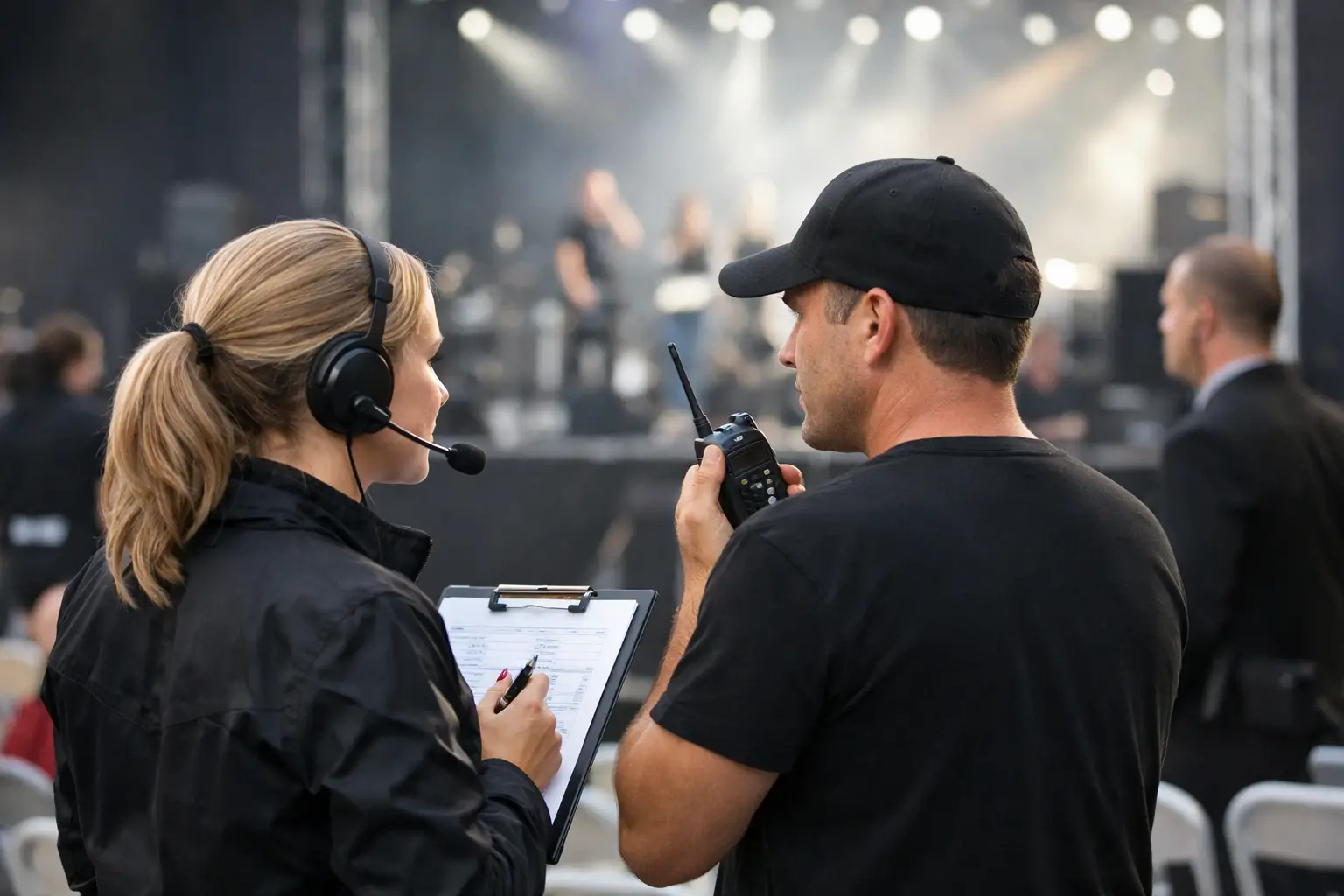
Professional equipment only performs as well as the people preparing and operating it. A successful show relies on technicians who understand signal flow, audio mixing, lighting cues, video playback, stage safety, and the pace of live events. It also relies on a crew that communicates clearly with venue staff, talent, planners, and other vendors.
Before doors open, the crew should have time to test microphones, playback, displays, lighting looks, and presentation computers. Speakers should know where to stand, how to advance slides, and who to contact if they need help. Performers need a practical soundcheck, not a rushed test while guests are already arriving.
During the event, the best technical operation is often the one guests barely notice. Music starts on cue. A handheld microphone is ready when a guest joins the stage. Slides advance cleanly. The room stays comfortable enough for conversation and loud enough for the program. When something changes, the crew responds without turning the adjustment into a distraction.
Plan for Timing, Access, and the Unplanned
Load-in and load-out are not administrative details. They determine whether the crew can build safely and test thoroughly. San Diego events may involve downtown access windows, hotel freight elevators, resort property routes, tight parking, or outdoor locations with limited infrastructure. A production plan needs realistic arrival times, parking instructions, loading paths, and enough labor for the scope.
The run of show should also include buffer time. A late keynote speaker, an extra award recipient, a changed video file, or unexpected weather can affect technical cues quickly. Not every issue can be prevented, but a prepared team can reduce its impact through backups, clear communication, spare equipment where appropriate, and practical contingency planning.
For outdoor events, weather deserves specific attention. Wind can affect screens, lighting fixtures, drape, tents, and temporary structures. Heat and sunlight influence equipment placement and guest viewing. Rain may be unlikely for some dates, but it is still a risk worth discussing when electrical systems and open-air venues are involved. The goal is not to overbuild every event. It is to make decisions based on realistic exposure.
Budget Control Comes From Clear Priorities
Budget-conscious production does not mean cutting the elements that make the event work. It means prioritizing the guest experience and avoiding avoidable spend. If the program is presentation-heavy, intelligible audio and readable visuals deserve attention before decorative effects. If a brand reveal is the centerpiece, invest in the moment guests will photograph and remember. If a band is the main attraction, put the budget into stage, audio, monitors, and lighting that support the performance.
A detailed proposal should make the scope understandable: what equipment is included, what crew roles are planned, how long the system is available, and what assumptions affect pricing. This clarity helps organizers compare options fairly and spot missing items before the event is committed.
GeoEvent approaches this work as a production partnership, whether the requirement is a single rental item or a fully managed live event. The focus is practical: match the production to the objective, prepare carefully, and keep a capable team accountable from setup through teardown.
Choose Production Support That Fits the Stakes
When evaluating event production support, ask how the provider will learn the venue, confirm the technical scope, coordinate load-in, staff the show, and handle changes in real time. Ask what is included in the quoted crew hours and whether the plan accounts for rehearsal, soundcheck, and teardown. These questions reveal more than a gear list ever will.
The goal is not a production plan that looks impressive on paper. It is a room where every guest can engage with the program, every presenter has what they need, and the organizer can stay focused on the event rather than the next technical problem. Start early, be clear about priorities, and give the production team the information needed to build the right show.