San Francisco Event Lighting That Works Harder
A ballroom can look polished in a site visit and still feel flat once 400 guests, a camera crew, branded content, and a dinner program move in. That is why San Francisco event lighting should be planned as part of the event experience, not selected as a last-minute décor add-on. The right design helps guests find their way, gives speakers and performers a professional presence, supports photo and video coverage, and changes the energy of the room at the exact moments it matters.
For event planners, venues, and production managers, the goal is not simply to add more fixtures. It is to create a lighting plan that fits the room, the schedule, the audience, and the budget while accounting for the practical realities of load-in, power, rigging, and on-site operation.
How San Francisco Event Lighting Should Be Planned
Start with what guests need to see, feel, and do. A corporate conference needs clean, consistent front light for presenters and enough contrast for LED screens or projection. A wedding may need warm ambient light for dinner, flattering illumination for photography, and a more energetic look once dancing begins. A festival or concert calls for a stage-forward system that can shift quickly with the performance.
Those uses can overlap, but they should not compete. A beautiful blue room wash may work for a reception, yet make a presenter look tired on camera. Bright white fixtures aimed at the stage can improve visibility, but they may wash out projected content if they are not positioned and focused correctly. Good production planning solves these conflicts before equipment arrives at the venue.
The venue itself drives many decisions. San Francisco includes hotel ballrooms, industrial spaces, waterfront locations, rooftops, galleries, historic buildings, and outdoor event sites. Ceiling height, available rigging points, access doors, loading dock rules, electrical capacity, ambient daylight, and neighborhood sound or operating restrictions can all affect the lighting approach. A room with no practical overhead rigging may benefit from floor-supported truss or carefully placed uplighting. A daytime space with large windows may need a different strategy than an evening gala in a windowless ballroom.
A site walk is especially valuable when the event includes a stage, video walls, custom scenic elements, or a detailed lighting program. It gives the production team time to confirm dimensions, map cable paths, identify power locations, and avoid surprises that can delay setup or create added labor costs.
Build the Design Around the Event, Not the Fixture List
Event lighting is most effective when each fixture has a job. Uplights can add color and depth to architectural walls. Wash fixtures can cover a stage or dance floor with an even field of light. Moving lights bring motion and visual changes to concerts, awards programs, and high-energy receptions. Pin spots can draw attention to centerpieces, cakes, product displays, or key décor details. Practical lamps, string lighting, and custom fixtures can help create a more intimate environment when the design calls for it.
The right mix depends on scale and intent. A small private dinner may need a restrained design with warm uplighting and precise accent light. Adding moving fixtures simply because they are available can distract from the setting and consume budget that would be better used on clean power distribution, stage lighting, or professional labor. On the other hand, a large fundraising gala with entertainment and live auction segments may benefit from a more layered system that can transition the room from cocktails to dinner to showtime.
Color should also serve the event. Brand colors can reinforce a corporate identity, but an entire room saturated in a single intense color can feel harsh and can be difficult for photographers. Many successful designs use a neutral or warm base, then introduce branded color at entrances, scenic features, stage edges, or programmed moments. This creates a polished result without turning every guest photo into a color-correction project.
Treat Power, Rigging, and Safety as Design Requirements
Lighting plans are only as dependable as the infrastructure behind them. Power requirements vary widely based on the fixture package, the venue’s available circuits, and the demands of audio, video, catering, and other event systems. A professional team reviews the electrical plan early so lighting can be distributed safely and the event does not discover a capacity issue during setup.
Rigging deserves the same attention. Suspending fixtures can create a clean, elevated look and keep the floor clear, but it may require approved rigging points, venue authorization, certified riggers, and additional lead time. Some venues have strict policies or exclusive labor requirements. Others do not permit overhead rigging at all. Floor-based alternatives can still look excellent when they are designed intentionally, with stands, truss, cable management, and sightlines considered from the beginning.
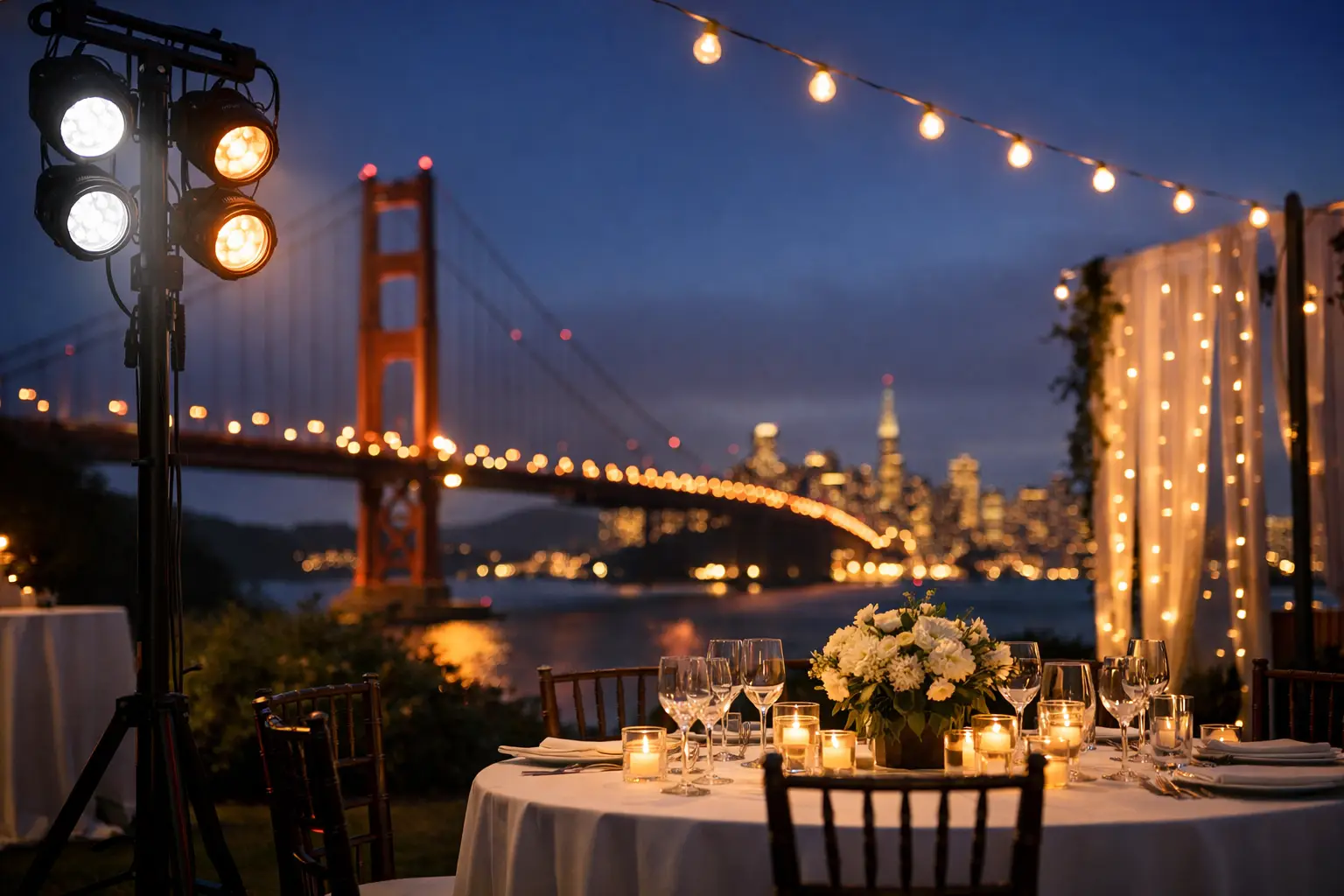
Outdoor lighting introduces another layer of planning. Wind, moisture, uneven ground, public access, generator placement, and changing sunset times all matter. Fixtures and cables need appropriate protection, and outdoor structures need to be secured for the conditions. If atmospheric effects are part of the concept, the production team should also confirm venue rules and fire-alarm considerations well before event day.
These details are not glamorous, but they are what protect the look the client approved. A dependable lighting partner does not treat safety and logistics as a separate issue from creativity. They are part of the same plan.
Plan for the Camera as Well as the Room
Attendees experience lighting with their eyes. Sponsors, executives, and couples often experience it again through photographs and video. That distinction matters.
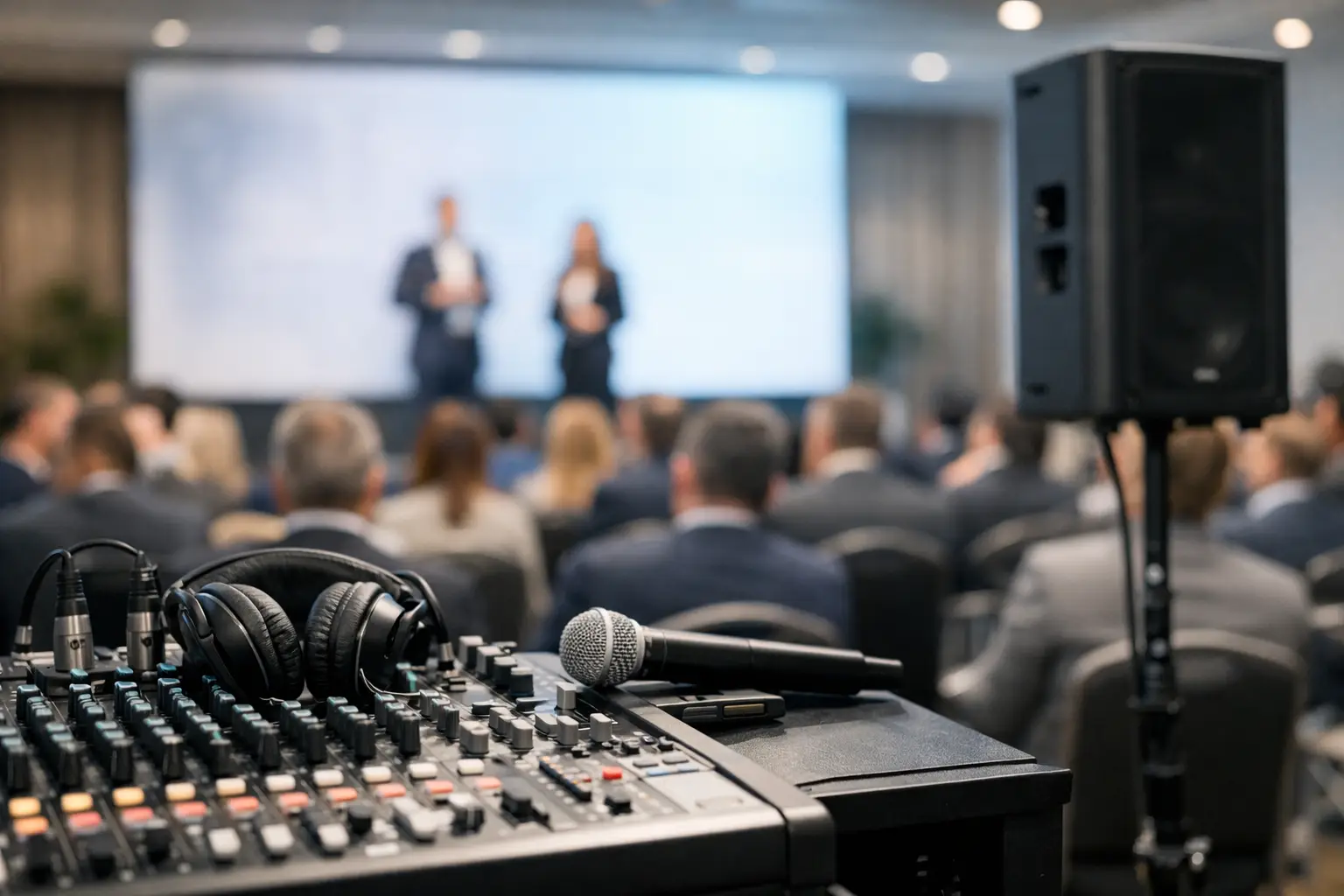
For conferences, keynotes, panels, and award presentations, speakers need intentional front light. It should be bright enough for cameras while remaining comfortable for the person on stage. If there is an LED video wall or projection screen, lighting angles and intensity must be managed to preserve image quality. A poorly lit stage can make a premium program look underproduced, even if the content itself is strong.
For weddings and social events, photographers often need a balanced environment rather than a dark room punctuated by a few bright effects. That does not mean the room must stay bright all night. It means the lighting program should support the important moments: entrances, speeches, first dances, cake cutting, performances, and guest interaction. Communication between the planner, photographer, DJ or band, and production crew prevents one department’s choices from compromising another’s work.
Give the Show a Lighting Operator When the Schedule Calls for One
A static lighting package can be an efficient option for a straightforward reception, dinner, or meeting. Once an event has a detailed run of show, live entertainment, award cues, speaker walk-ons, or major room transitions, having a dedicated lighting operator can make a noticeable difference.
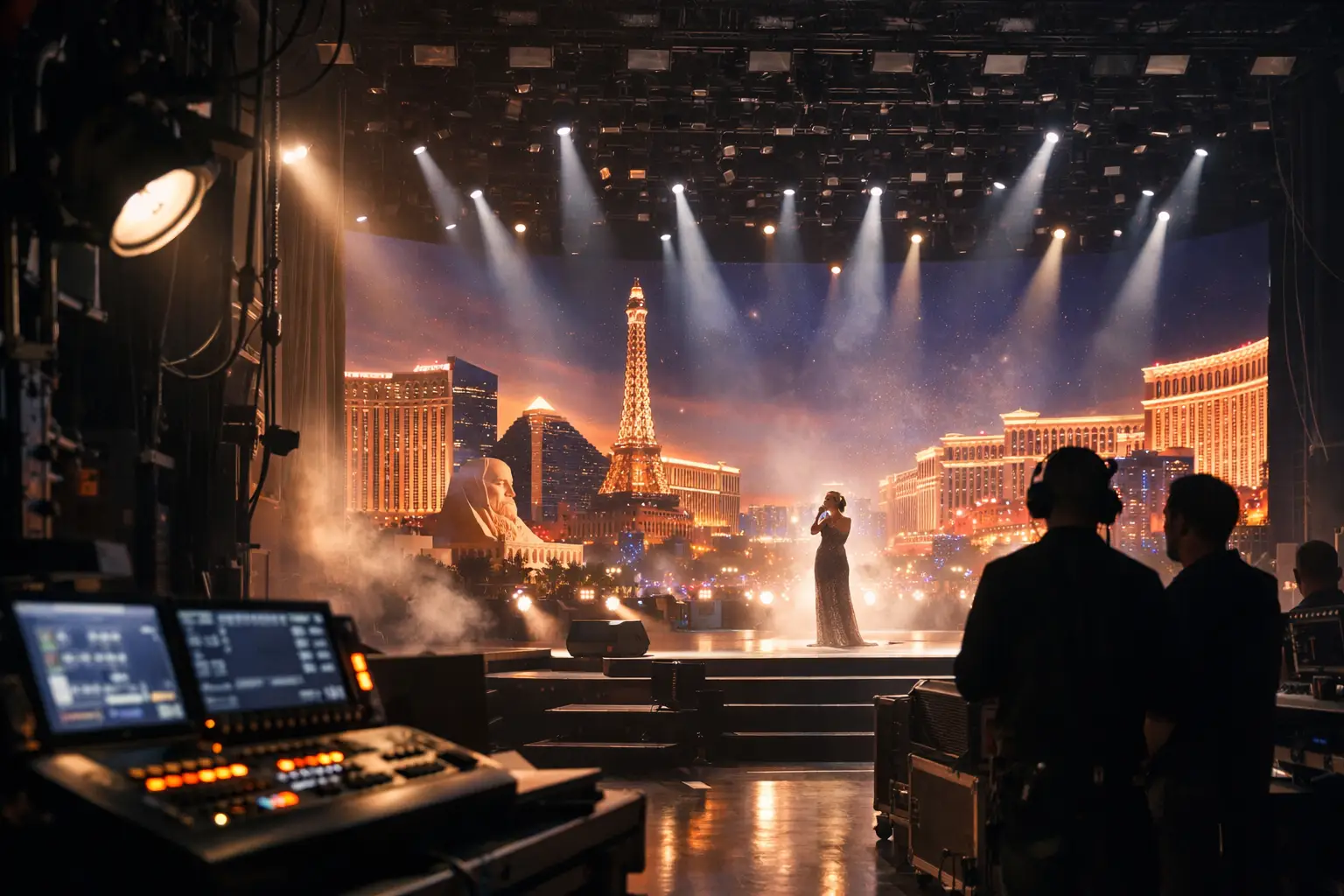
An operator can shift the room from pre-function ambiance to a focused presentation look, bring up a walk-on cue at the correct moment, and support performers without relying on improvised changes. They can also respond to real-world adjustments during the event. A delayed dinner, a speaker who changes position, or a last-minute performance addition is easier to manage when a trained technician is at the console.
This is one of the areas where budget decisions should be made carefully. For a simple event, more labor than the program requires may not add value. For a high-visibility show, reducing crew support can create risk at the exact time the event needs control. The right recommendation depends on the complexity of the program, not a one-size-fits-all package.
One Production Partner Reduces Hand-Off Risk
Lighting interacts with staging, audio, video, scenic elements, drape, and venue operations. When each service is handled by a separate vendor, the client often becomes the person responsible for coordinating power, schedules, dimensions, and technical decisions between them. That can work for a simple event, but it becomes harder as the production grows.
Working with one accountable production partner gives the lighting plan context. Stage height can be coordinated with sightlines. Video placement can be checked against lighting positions. Audio and lighting crews can share a load-in plan. The same team can support setup, live operation, and teardown rather than leaving the client to resolve gaps between vendors.
GeoEvent supports clients who need a specific lighting rental package as well as teams that need full production management. The approach should stay practical: recommend the equipment and staffing that protect the event experience, explain the trade-offs clearly, and keep the plan aligned with the available budget.
The best event lighting is rarely the element guests describe in technical terms. They remember that the room felt intentional, the stage looked professional, the photos looked great, and every important moment landed with confidence. Start the lighting conversation early enough to make those outcomes possible.