Wedding AV Services That Get It Right
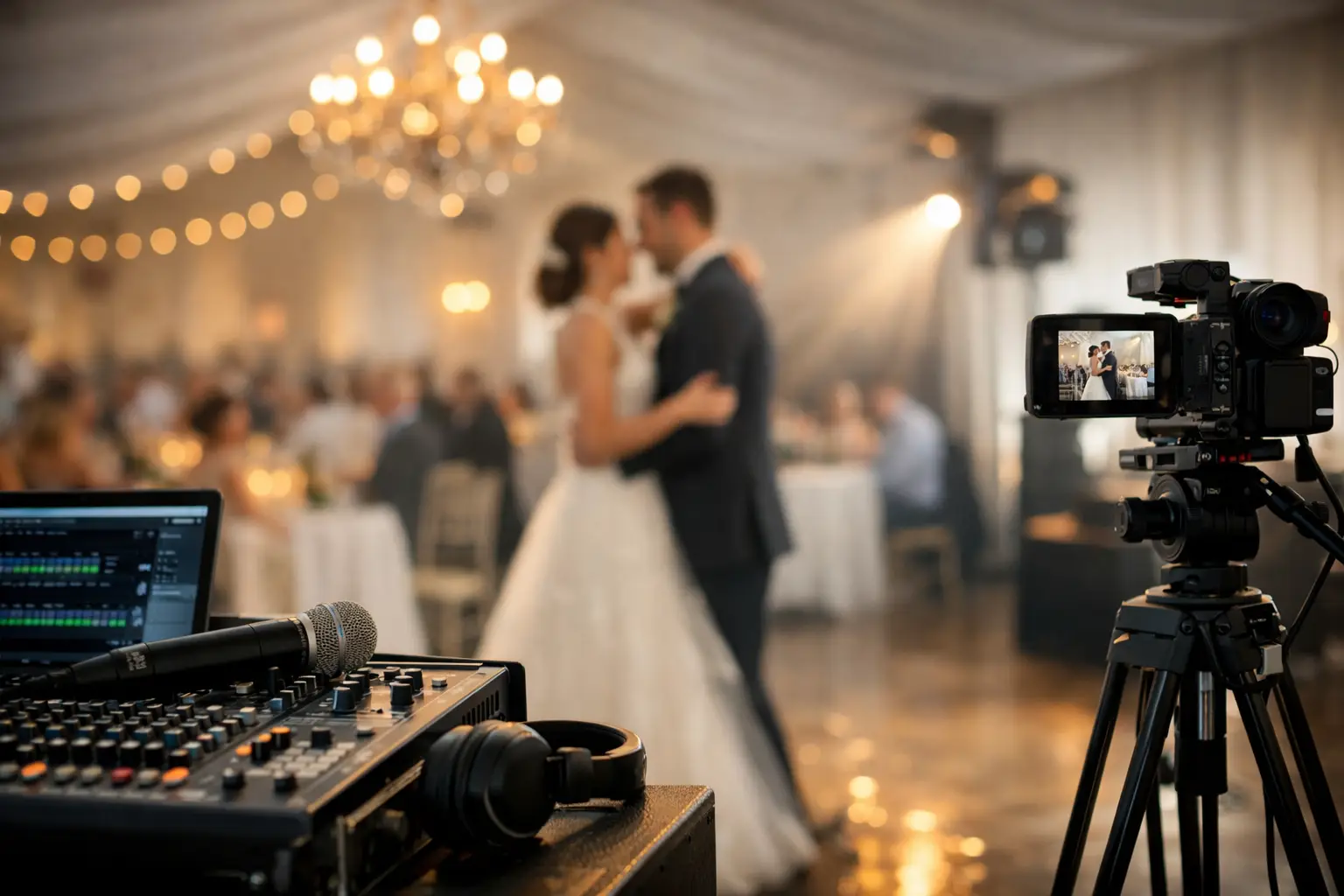
A wedding can look perfect on paper and still feel off in the room if guests cannot hear the vows, the lighting flattens the space, or the first dance starts with a microphone squeal. That is why wedding AV services matter more than most couples expect. Audio, lighting, screens, staging, and on-site technical support all shape how the day feels moment to moment, not just how it photographs.
For some weddings, AV needs are simple – a clean ceremony sound system, a few wireless microphones, and music playback that works without a hitch. For others, the scope expands quickly: custom lighting, LED walls, projection for slideshows, a band with multiple inputs, separate ceremony and reception setups, or a venue with strict load-in rules. The right production partner helps you sort what is necessary, what is optional, and where spending more actually improves the guest experience.
What wedding AV services actually cover
Wedding AV services are not just speaker rentals. In a well-run event, they usually include planning, equipment selection, setup, testing, live operation, troubleshooting, and teardown. That can be as focused as delivering a sound system for a backyard reception or as comprehensive as managing every technical element across ceremony, cocktail hour, dinner, and dancing.
Audio is usually the first priority because it affects every guest equally. If your officiant is too quiet, your vows are lost. If toasts cut out, the emotional peak of dinner disappears. If music levels are uneven, the room never settles into the right energy. A professional team plans coverage for the actual layout, not just the guest count. A long narrow lawn, a ballroom with reflective surfaces, and a rooftop with wind all need different approaches.
Lighting comes next because it changes both atmosphere and visibility. Warm pin spotting on centerpieces, controlled stage wash for speeches, dance floor lighting, and subtle uplighting around the room can make a space feel intentional without turning the reception into a nightclub. The balance matters. Too little light leaves guests squinting. Too much or the wrong color temperature can make a beautiful room feel harsh.
Video and display support are more event-specific, but when needed, they need to be done well. Slideshows, same-day edits, live camera feeds, monograms, and lyric or announcement displays all require the right screens, brightness levels, and playback systems. Outdoor daytime weddings, in particular, can make projection difficult. In those cases, LED displays often perform better, but they come at a higher cost. This is where practical guidance matters.
How wedding AV services affect the guest experience
Guests rarely compliment a wedding by saying the frequency response was excellent. What they do say is that the ceremony felt intimate, the toasts were moving, and the dance floor was packed. AV is behind those reactions.
Good sound keeps people connected to the event instead of straining to catch every third word. Good lighting helps guests feel comfortable and keeps key moments visually grounded. Good execution keeps transitions smooth, so the wedding never feels stalled by technical confusion.
That last point gets overlooked. Weddings are full of cues: processional music starts at the right second, the toast microphone is ready before the speaker stands up, the couple’s entrance track hits cleanly, and the band, DJ, planner, and venue team stay in sync. Wedding AV services are as much about timing and coordination as they are about gear.
When basic rentals are enough and when full production makes more sense
Some couples only need equipment. If you have a straightforward venue, a simple timeline, and a planner or coordinator who can manage vendors on site, a targeted rental package may be enough. That might include speakers, microphones, simple lighting, and a technician for setup and strike.
But there is a point where separate rentals and pieced-together vendors start creating risk. If your wedding has multiple locations, live musicians, a DJ or band, special lighting looks, video playback, staging, or a tight venue schedule, full production support usually makes more sense. One accountable team can handle design, logistics, setup sequencing, live operation, and communication across the event.
This is often where couples save stress, and sometimes money. Working with one production partner can reduce duplicated labor, delivery confusion, and last-minute fixes that happen when sound, lighting, staging, and video all come from different sources.
Questions to ask before booking wedding AV services
The best conversations happen early, before anyone is forced to improvise around a locked-in floorplan or underestimated budget. Start with how the event will actually run, not just what equipment is available.
Ask who will be responsible for the ceremony audio, reception audio, and live cueing throughout the day. Find out whether your package includes on-site technicians or only delivery and setup. Ask how the team handles backup microphones, playback redundancy, and weather-related contingencies for outdoor events.
It also helps to ask how familiar they are with your venue type. A hotel ballroom is different from a private estate, and both are different from a coastal outdoor site where power access, wind, and noise ordinances can affect the plan. In cities like Los Angeles, San Diego, San Francisco, and Las Vegas, venues can range from highly production-friendly to extremely restrictive. A team that knows how to navigate load-ins, timing windows, and venue rules can save you from avoidable problems.
If you are comparing quotes, make sure you are comparing scope, not just price. One proposal may include labor, programming, operators, and testing, while another covers gear only. A lower number is not always the lower-cost option once show-day support gets added back in.
Common wedding AV mistakes and how to avoid them
One of the most common mistakes is assuming the venue’s built-in system is enough. Sometimes it is. Often it is not. In-house systems may work well for background music and basic announcements, but they are not always designed for outdoor ceremonies, full-room toast coverage, or high-energy receptions.
Another issue is underestimating microphone needs. One handheld mic passed around the room can slow dinner to a crawl. Wireless lavaliers, podium mics, handhelds for toasts, and a clear plan for who uses what can make the event feel much more polished.
Lighting is another area where couples either overspend or underspend. Not every wedding needs moving lights or dramatic effects. But almost every wedding benefits from thoughtful room lighting and proper illumination for speeches, entrances, and the dance floor. The key is matching the design to the event rather than choosing a package that sounds impressive on paper.
Then there is the timeline problem. AV crews need real setup time, soundcheck time, and access time. If other vendors are loading in late, if the venue shortens access, or if furniture placement changes at the last minute, technical quality can suffer. The earlier production is brought into planning, the easier it is to protect the schedule.
Planning wedding AV services around budget
Budget-conscious does not have to mean bare-bones. It means knowing what guests will actually notice.
If funds are tight, prioritize ceremony audio, reception speech coverage, and reliable music playback. Those are the areas where failure is obvious and disruptive. After that, add lighting that improves the room and supports photography. Video elements can come later if they serve a real purpose.
If you are investing more heavily in the overall experience, production design can do a lot. Layered lighting, custom staging, LED display elements, and well-managed transitions can elevate the night in a way guests immediately feel. The point is not to add technology for its own sake. It is to support the flow, emotion, and energy of the wedding.
A good provider will tell you where scaling back is reasonable and where it is risky. That kind of honesty matters. It builds a plan that fits your priorities instead of forcing your event into a one-size-fits-all package.
Why execution matters as much as equipment
The gear list matters, but weddings are live events. The difference between a stressful night and a smooth one usually comes down to execution. Equipment has to arrive on time, be placed correctly, tested thoroughly, and operated by people who understand the timeline.
That is especially true when the event has multiple moving parts. A ceremony in one area, cocktail hour in another, and a reception in a third can require separate systems, quick resets, and a crew that communicates well with planners, photographers, musicians, and venue staff. This is where an experienced production company earns its value.
GeoEvent approaches this the same way it supports any live event – with careful planning, practical recommendations, and a team that stays accountable from setup through teardown. For wedding clients, that means less guessing and fewer handoffs between vendors.
The best wedding AV services do not pull attention away from the couple. They make the event feel effortless, even though a lot is happening behind the scenes. When guests hear every word, the room looks the way it should, and each moment lands on time, the technology disappears and the wedding finally feels like itself.
If you are planning a wedding, start with the moments that matter most to you and build the technical plan around those. The right support is not about adding more. It is about making sure the day works exactly when it counts.