Event Sound System Rental That Fits Your Crowd
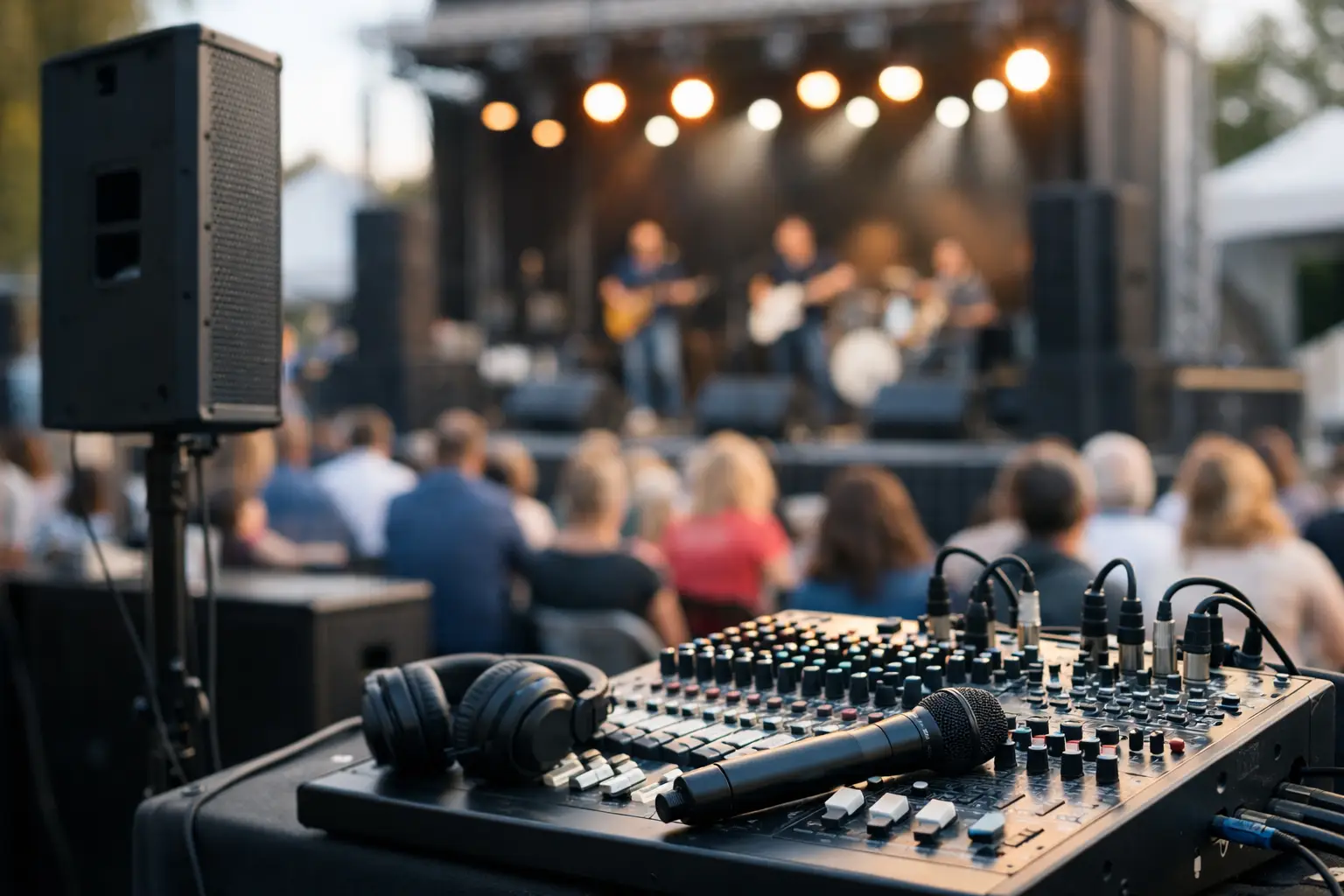
A full room can look successful and still feel disconnected if guests cannot hear the welcome, the band, the vows, or the keynote. The right event sound system rental is not simply a stack of speakers. It is a coordinated audio plan built around your audience size, venue layout, program, noise limits, and the people responsible for running it.
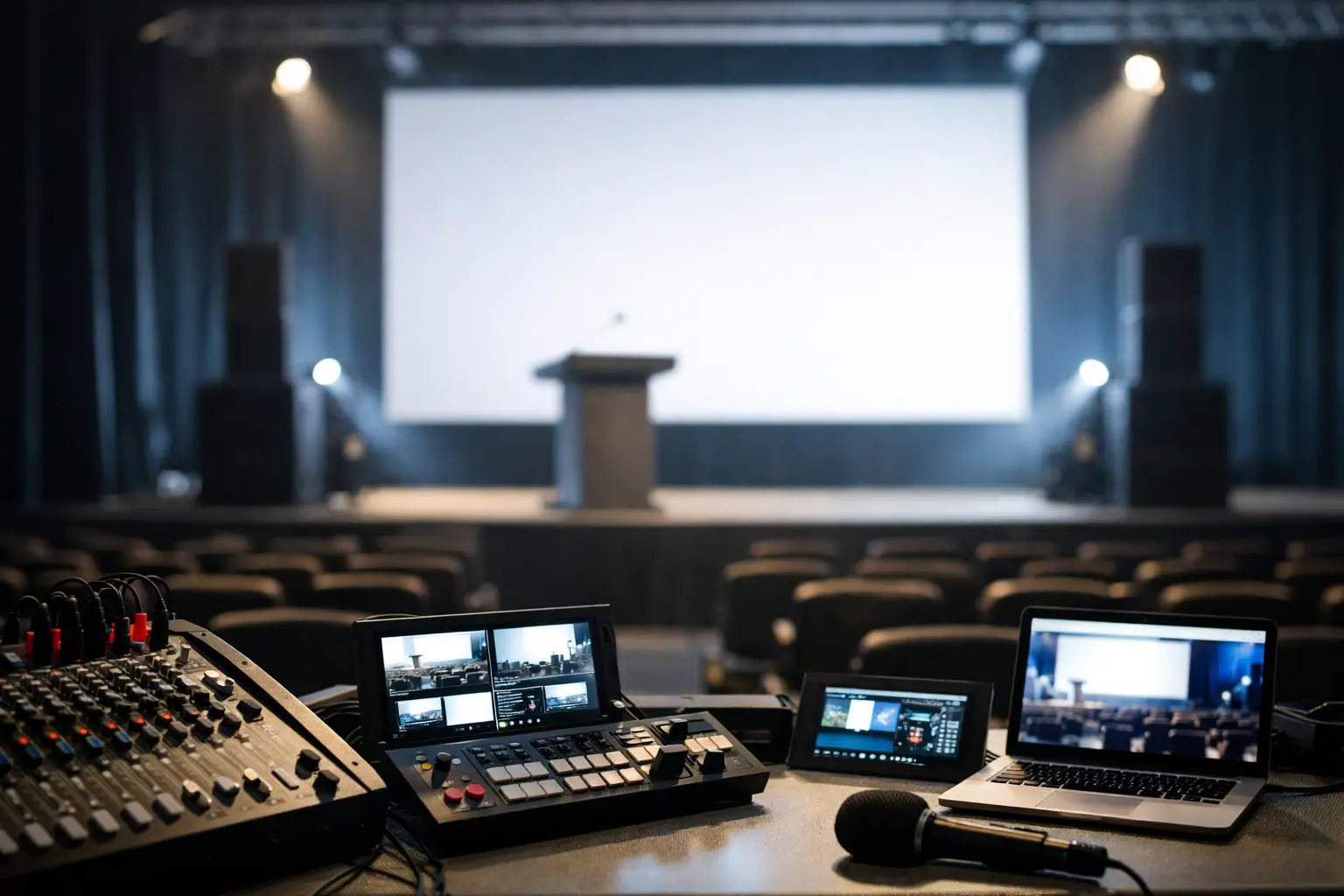
For a small outdoor reception, that may mean a compact speaker system, wireless microphones, and a technician who keeps speeches moving. For a conference, it can mean distributed speakers, presentation playback, panel microphones, confidence monitoring, and audio support that stays ahead of schedule changes. The goal is the same: clear, reliable sound that supports the event without becoming the event.
Start With the Room, Not the Equipment List
The most common audio mistake is choosing equipment based on a guest count alone. Two events with 200 people can require completely different systems. A 200-person seated dinner in a ballroom has different needs than a 200-person product launch in a warehouse or a 200-person ceremony on a windy beachfront.
Start with the physical environment. Ceiling height, wall materials, outdoor exposure, room shape, power availability, and audience placement all affect how sound behaves. Hard concrete, glass, and open industrial spaces can create reflections that make speech difficult to understand. Outdoor sites introduce wind, traffic, aircraft, and neighborhood noise. Long, narrow rooms may need more than one speaker position so guests at the back hear the same message as guests near the stage.
The program matters just as much. Spoken-word events demand intelligibility. A live band needs headroom, monitoring, and the right mix of microphones and speakers. A DJ-driven party may need stronger low-end coverage, while a corporate program often needs clean playback for videos, walk-up music, and remote presenters. One generic package rarely handles every one of those demands well.
What an Event Sound System Rental Should Include
A professional event sound system rental begins with the right main speakers, but that is only one part of the system. The practical setup may also include subwoofers, speaker stands or flown speaker positions, a mixing console, microphones, playback connections, signal processing, cabling, power distribution, and communication between the production team.
Microphone selection deserves special attention. A handheld wireless microphone is flexible for Q&A, toasts, and audience participation. A lavalier or headset keeps a presenter hands-free, though it must be fitted and tuned carefully to avoid feedback. Podium microphones work well for formal remarks, while instrument microphones and direct boxes are necessary for live music. If several people are speaking, plan for enough microphones rather than expecting speakers to pass one mic around under pressure.
For events with video, lighting, staging, or LED walls, audio should be planned as part of the larger production system. Video playback needs a dependable audio feed. Stage placement affects speaker coverage. Lighting trusses and scenic elements can change sightlines and where equipment can safely go. Coordinating these details through one production partner reduces last-minute adjustments between separate vendors.
Clear Speech Requires More Than Volume
Turning up the speakers does not fix unclear audio. In fact, excess volume can make reverberant rooms less comfortable and less intelligible. Proper speaker placement, coverage angles, equalization, and microphone technique are what make a presenter understandable from the first row to the back of the room.
This is especially important for conferences, weddings, awards shows, and fundraisers. Guests may forgive a brief lighting delay. Missing a vow, a donor announcement, or a CEO message has a much bigger impact. A qualified audio technician listens to the room as it fills, adjusts the system for real conditions, and responds when a microphone is handled differently than expected.
Decide How Much Support Your Event Needs
Some rentals are straightforward. If you have an experienced in-house team, a simple meeting in a familiar venue, and a short program, equipment-only rental may be the right fit. You can rent the needed audio gear and manage operation internally.
Other events benefit from delivery, setup, and on-site staffing. This is often the better choice when the venue is new to you, the schedule includes multiple speakers or performers, or there is little room for troubleshooting. A technician handles soundcheck, microphone changes, playback cues, level control, and any adjustments needed during the program. Your team can stay focused on attendees, speakers, and the event schedule.
Full production support becomes especially valuable for festivals, concerts, large corporate events, and multi-room programs. Audio, lighting, staging, video, labor, and production management need to work from the same schedule and site plan. That coordination helps prevent the familiar last-minute questions: Where does the mixer go? Who is running the walk-up music? Is there enough power at the stage? When can the room be loaded in?
Budget for Reliability, Not Just Gear
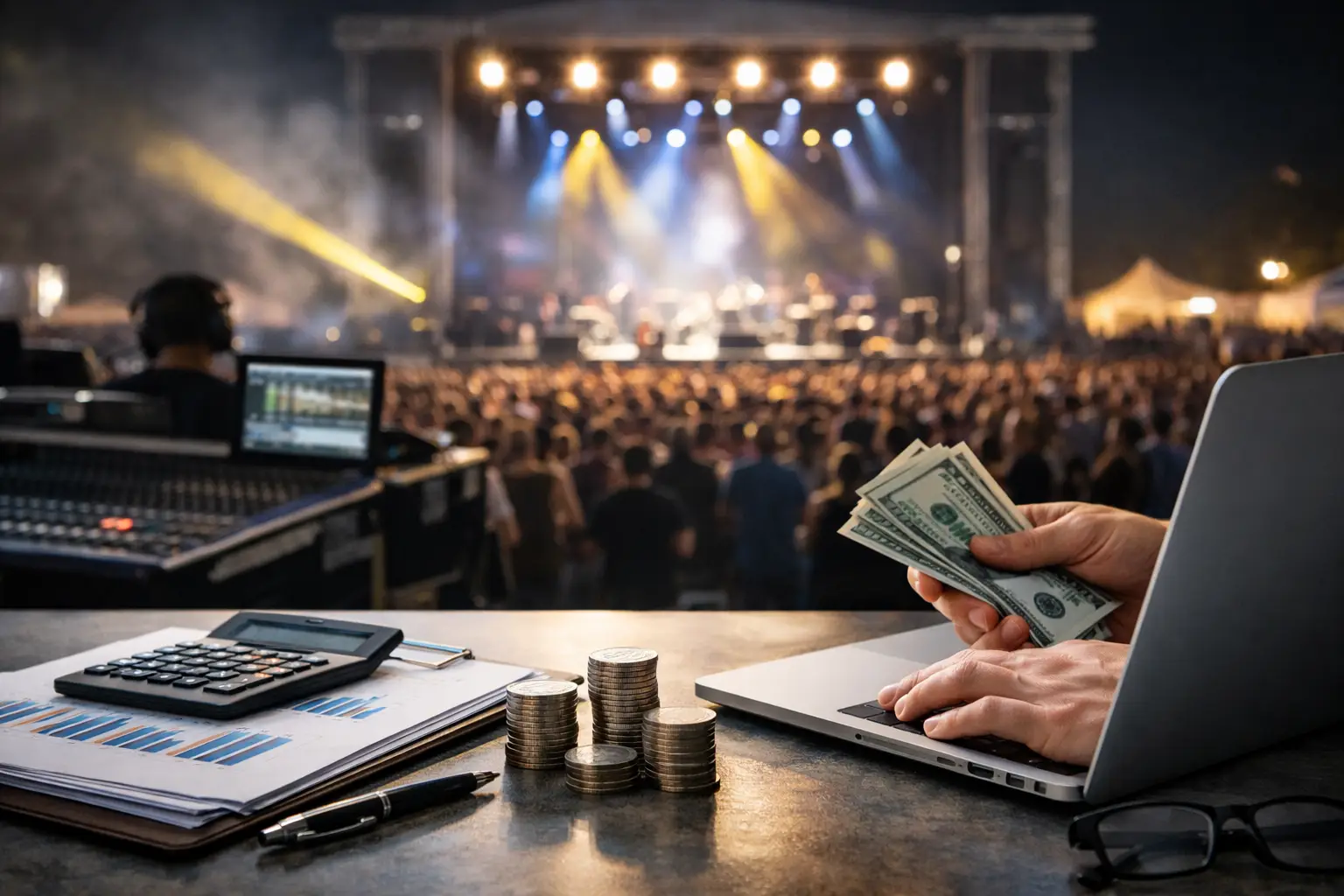
A lower rental quote can be attractive until it excludes delivery, setup time, required cabling, labor, backup equipment, or a technician. Compare proposals based on the complete scope of work, not only the model number of the speakers.
A realistic budget should account for the event duration, load-in restrictions, stairs or long equipment runs, venue access, staffing hours, and teardown requirements. A downtown hotel with a narrow delivery window may require a different labor plan than a private estate with easy vehicle access. Outdoor events may need weather protection, generators, cable ramps, or additional time for safe setup.
There are smart ways to control cost without compromising the guest experience. Focus spending on the areas attendees will notice most: reliable microphones, clear coverage in audience areas, sufficient technician support, and proper setup time. Avoid paying for unnecessary power or coverage in spaces guests will not use. An experienced production team can right-size the system rather than pushing an oversized package or leaving critical needs uncovered.
Ask the Questions That Prevent Show-Day Problems
Before confirming audio rental, share a complete picture of the event. The more information the production team has, the more accurate the system design will be. Helpful details include the venue address and floor plan, expected guest count, event timeline, stage dimensions, presenter count, entertainment schedule, and any venue sound restrictions.
It is also worth asking who will operate the equipment, when soundcheck will happen, and what backup plan is in place for essential microphones and playback. If a speaker is joining remotely, confirm the platform, connection type, and whether a dedicated test is scheduled. If a band, DJ, or outside presenter is involved, collect their technical requirements early rather than during load-in.
For outdoor events in Los Angeles, San Diego, San Francisco, or Las Vegas, ask about wind, temperature, generator power, and site access. These markets offer exceptional event settings, but each can introduce logistical variables that affect audio quality and crew timing.
Give Audio a Place in the Planning Timeline
Audio works best when it is addressed before the final week. Include it when selecting the venue, designing the stage, approving the run of show, and planning guest flow. Early coordination gives the production team time to identify coverage gaps, confirm power needs, review venue rules, and build a setup plan that does not interrupt other vendors.
GeoEvent supports clients who need a specific audio package as well as teams that want one accountable partner for sound, lighting, staging, video, and on-site production. The approach should stay practical: recommend what the event needs, provide the crew when the program calls for it, and keep execution organized from load-in through teardown.
The best sound system is the one guests barely think about because every word lands, every cue arrives on time, and the room feels connected. Build that experience into the plan early, and your event can stay focused on the people and moments that brought everyone together.