LED Video Wall Rental in Los Angeles, Las Vegas and San Diego
GeoEvent builds and operates LED video walls for corporate general sessions, concerts, festivals, trade show booths, weddings and brand activations. We hold panels from 1.9mm to 3.9mm pitch in both indoor and outdoor-rated versions, along with the processing, rigging and ground support that makes them work — and the technicians who run them. Walls ship out of our Los Angeles warehouse and travel regularly to Las Vegas, San Diego, Orange County and San Francisco.
An LED wall is not a product you can sensibly order by the square foot. The pitch, the brightness, the processor and the way it is supported all follow from the room, the content and how close the audience sits. The sections below are the questions we ask before quoting, written out so you can work most of it out yourself.
Choosing a pixel pitch
Pixel pitch is the distance in millimetres between the centre of one LED and the next. Smaller pitch means more pixels in the same area, a sharper image, and a higher price. The number that matters is not the pitch on its own but how far away the nearest viewer stands.
- 1.9mm — the closest viewing distance we stock. Right for trade show booths, lobby walls, broadcast backdrops and anywhere people stand within about two metres of the surface. Also the correct choice if the wall will carry small text, spreadsheets or a live camera feed.
- 2.6mm — the usual answer for corporate general sessions and conference stages. Clean from around three metres back, which covers everyone past the first row or two.
- 3.9mm — concerts, festivals, outdoor stages and any wall the audience views from five metres or more. Brighter, more robust, faster to build, and considerably less expensive per square foot.
A useful rule of thumb: minimum comfortable viewing distance in metres is roughly the pitch in millimetres. A 2.6mm wall looks clean from about 2.6 metres. Beyond that, paying for a finer pitch buys nothing an audience can see.
Indoor and outdoor LED walls
Outdoor panels are not simply indoor panels that tolerate rain. They are brighter — typically 4,500 to 5,500 nits against roughly 800 to 1,200 indoors — because they have to compete with daylight rather than room lighting. They are sealed to an IP rating, heavier, and need a support structure rated for wind.
If any part of your event happens in daylight, you need outdoor panels, even under a tent or a roof. An indoor wall in sunlight looks grey and washed out, and no amount of brightness adjustment recovers it. This is the single most common and most expensive mistake we are asked to fix on the day.
LED wall or projection?
For daylight, outdoor events and any room you cannot darken, an LED wall is the only reliable option. Projection needs controlled light, and ambient light does not dim a projected image so much as flatten it.
Projection still wins on very large images in dark rooms, on unusually wide aspect ratios, on curved or irregular surfaces, and on budget for a given image size. We rent both and have no stake in which you pick — if projection is the better answer for your room, we will say so.
Sizes, resolution and content
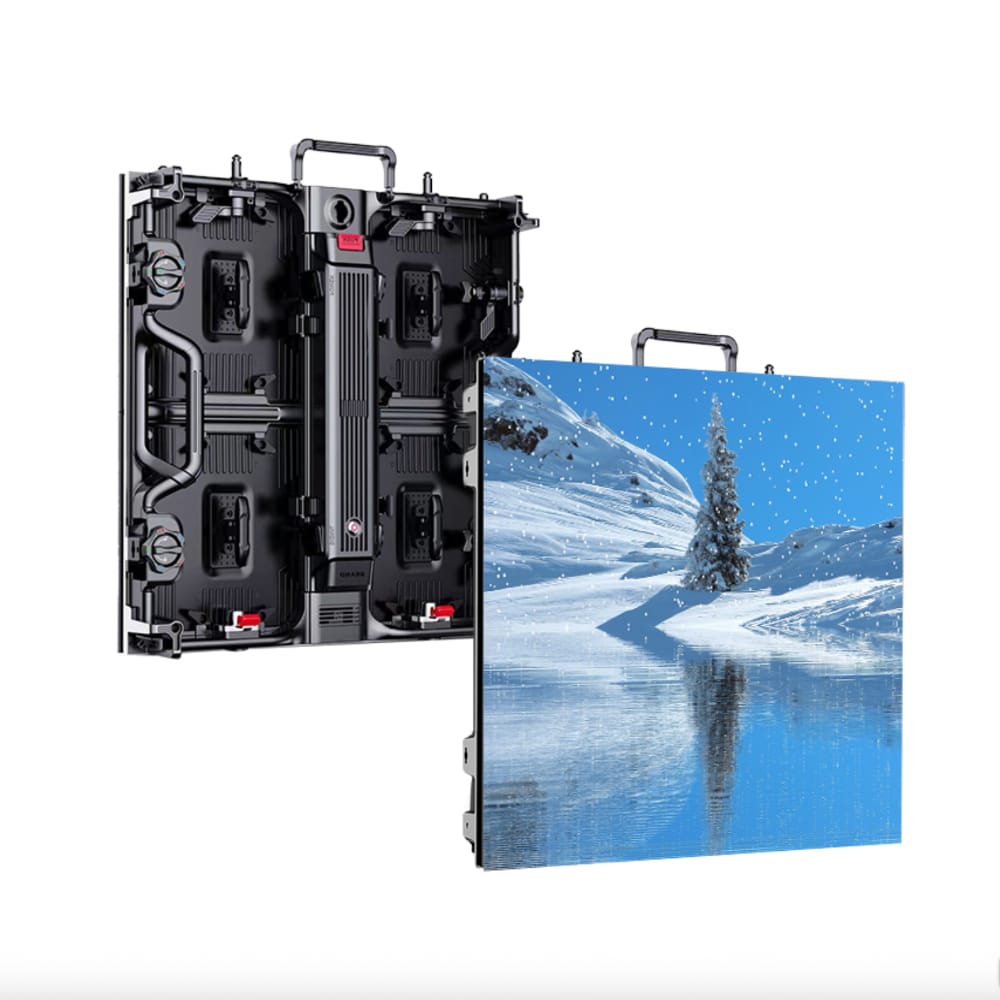
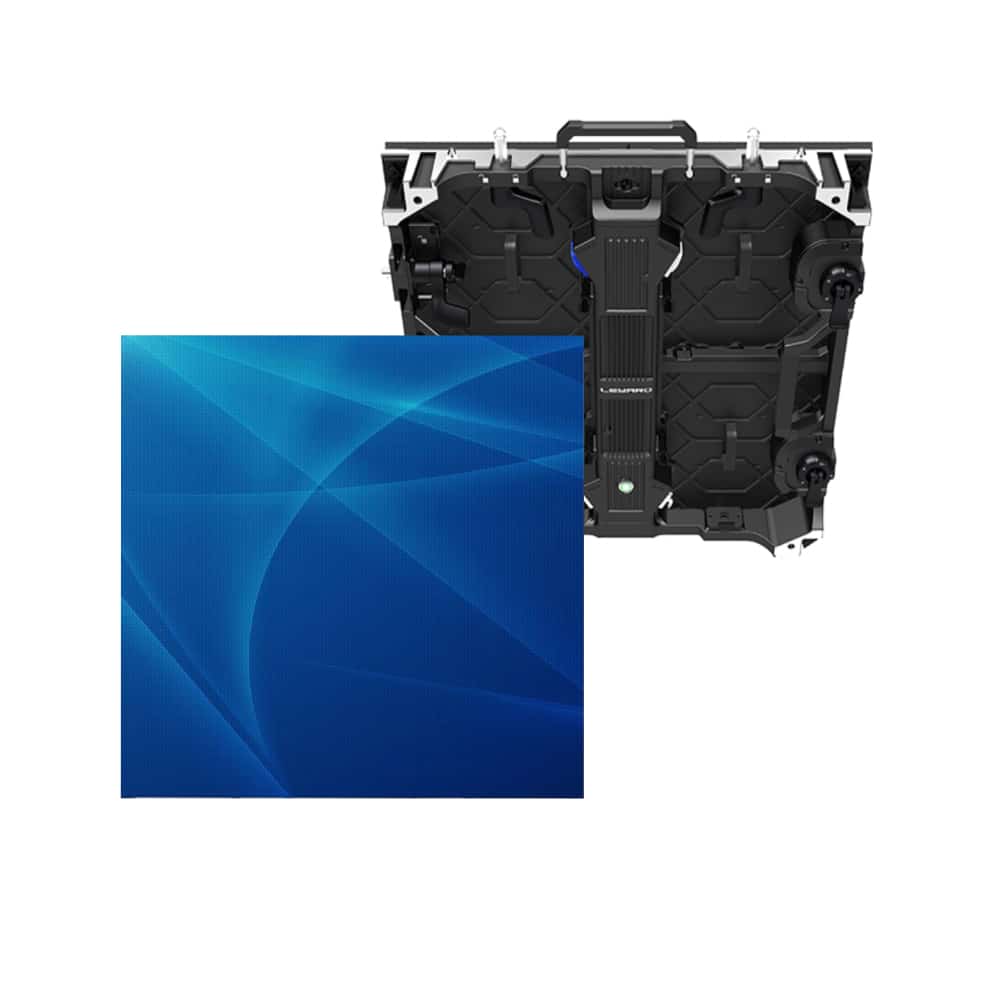
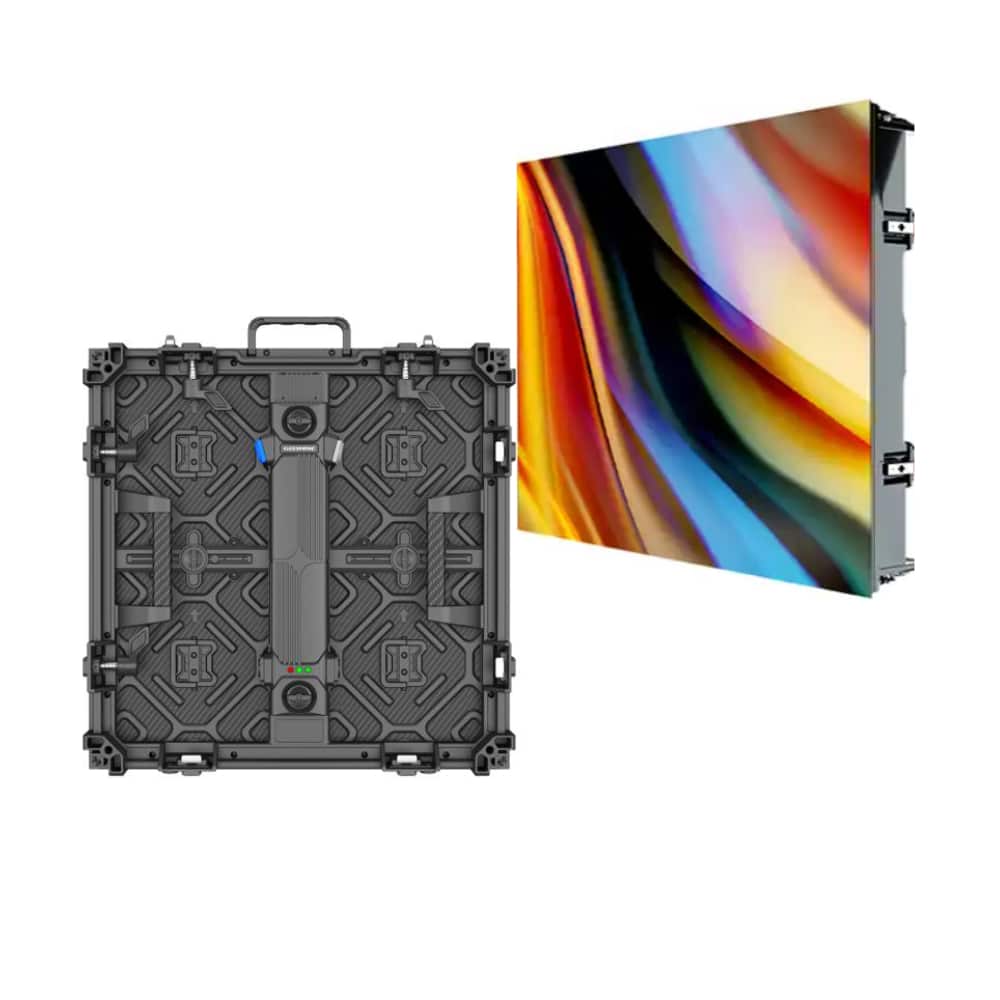
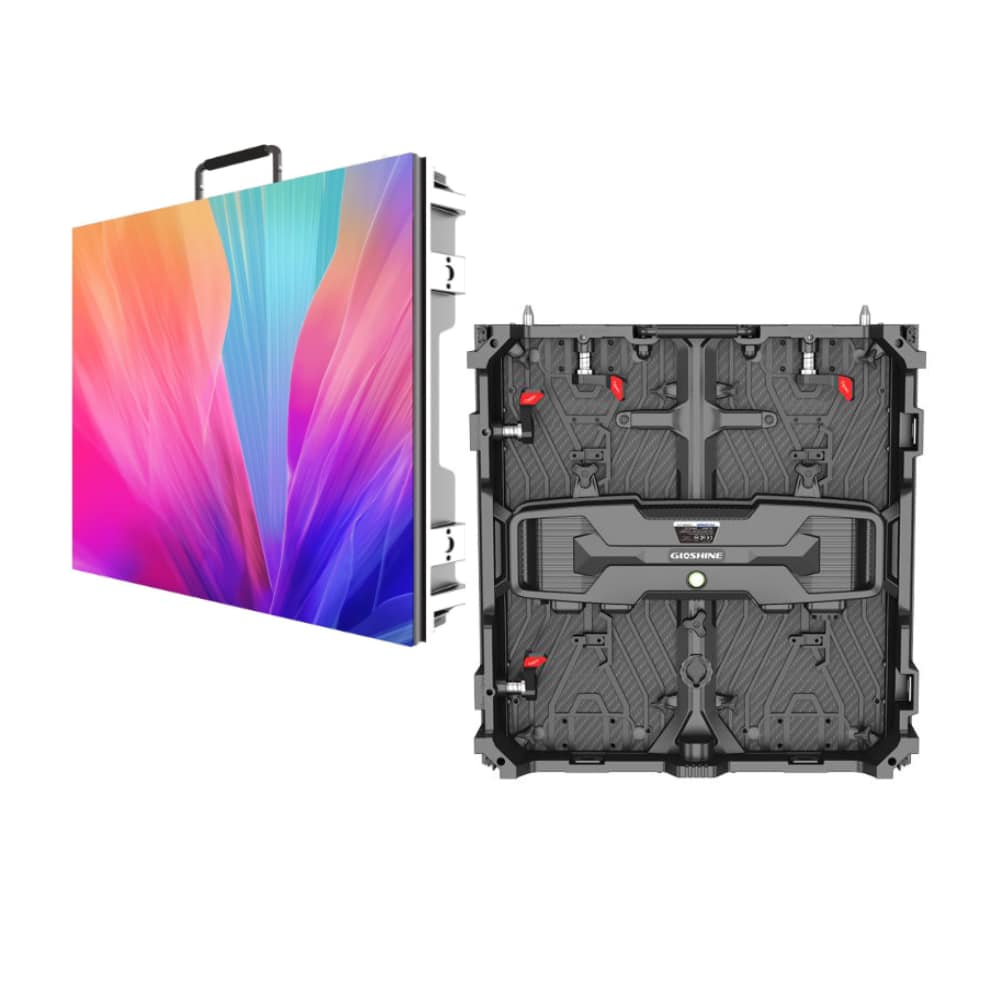
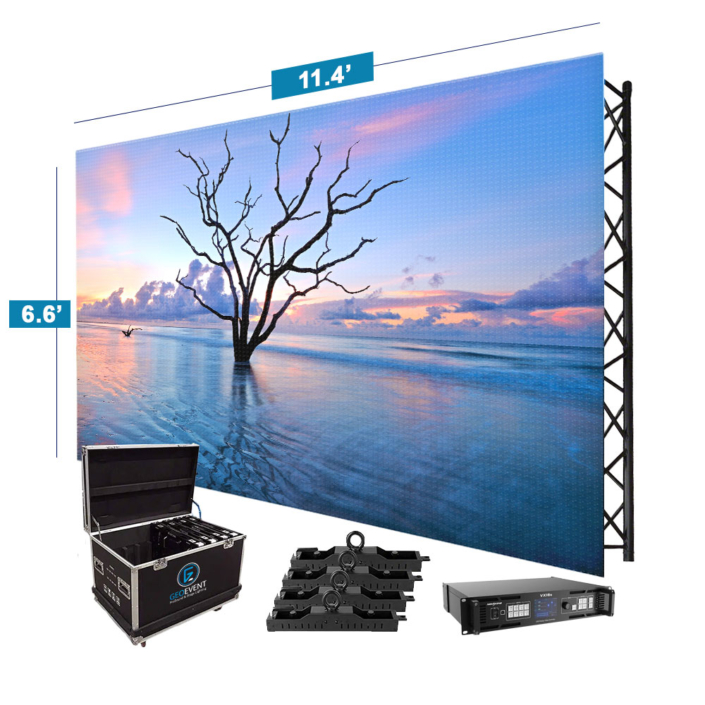
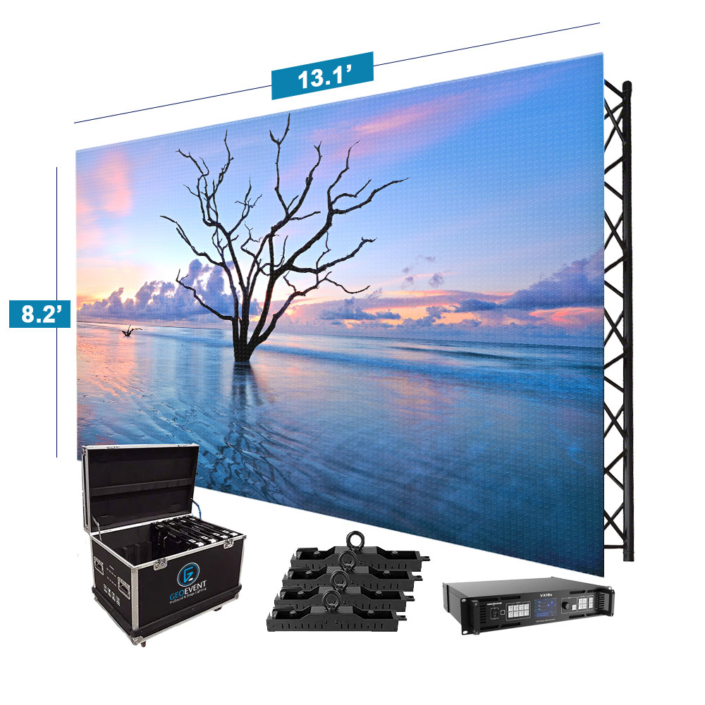
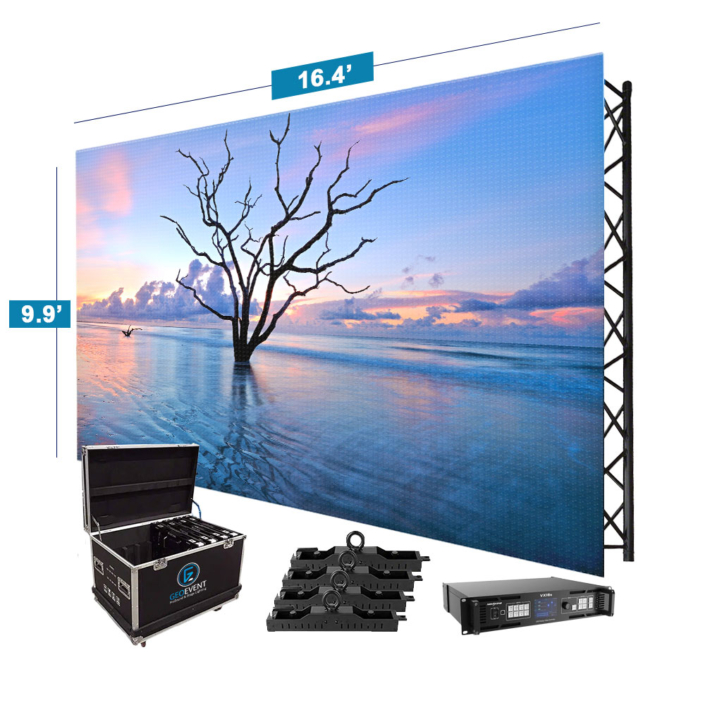
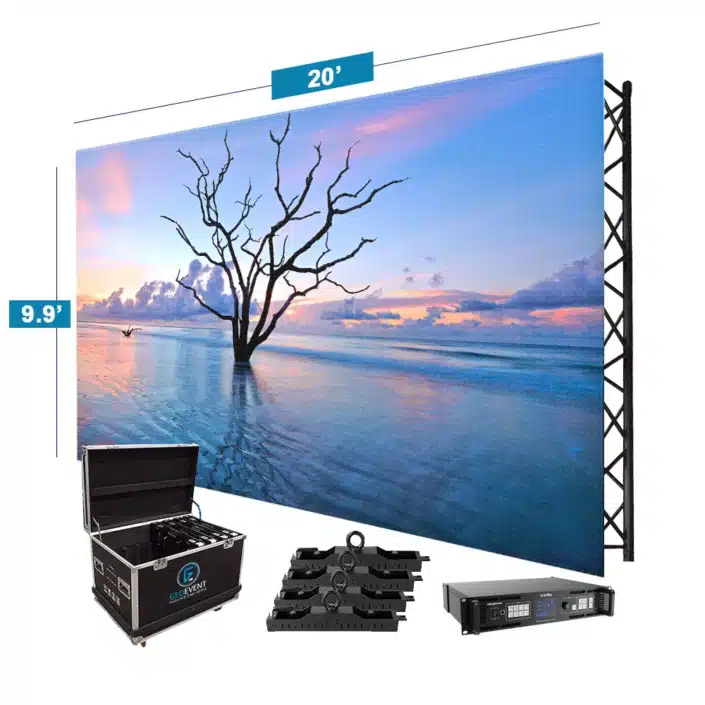
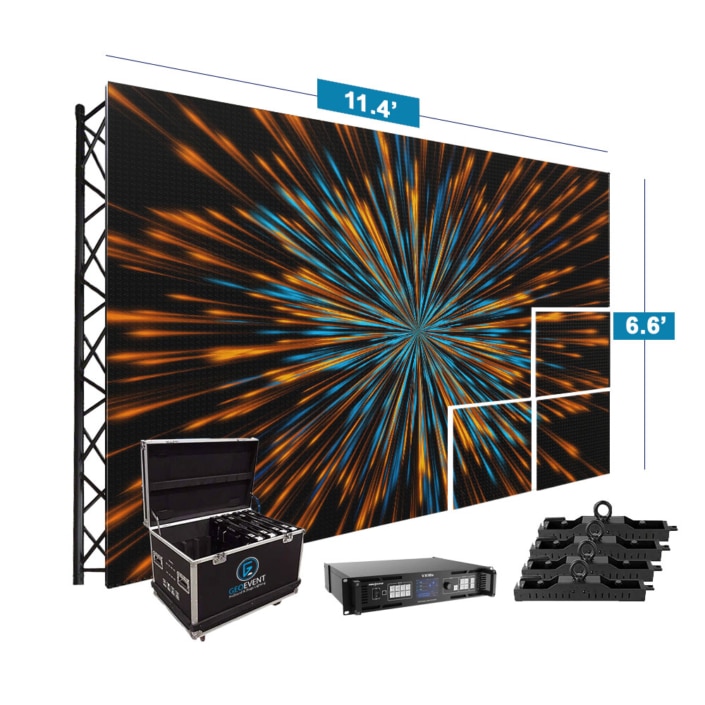
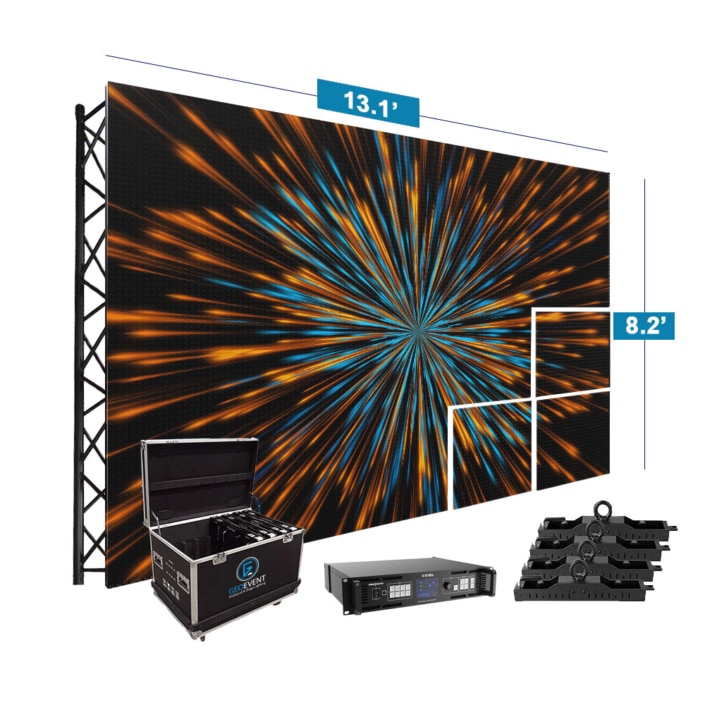
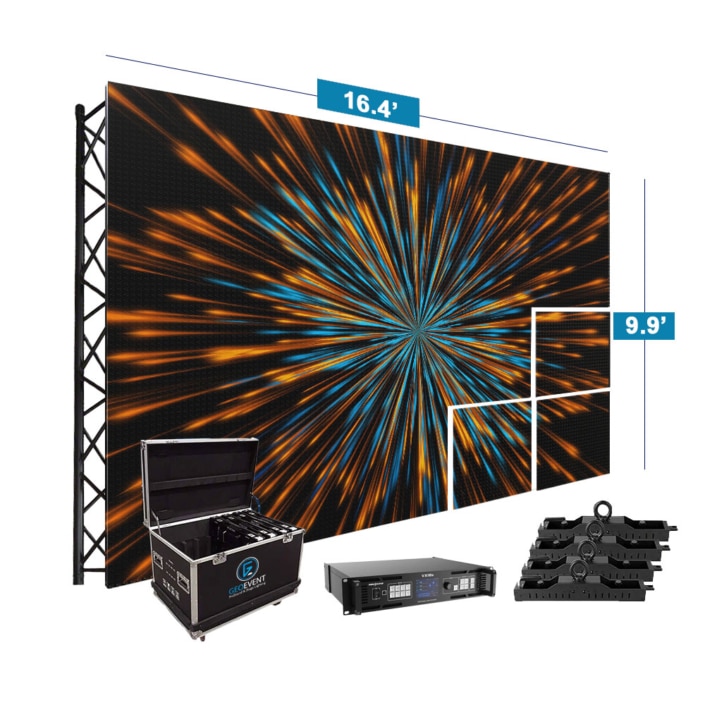
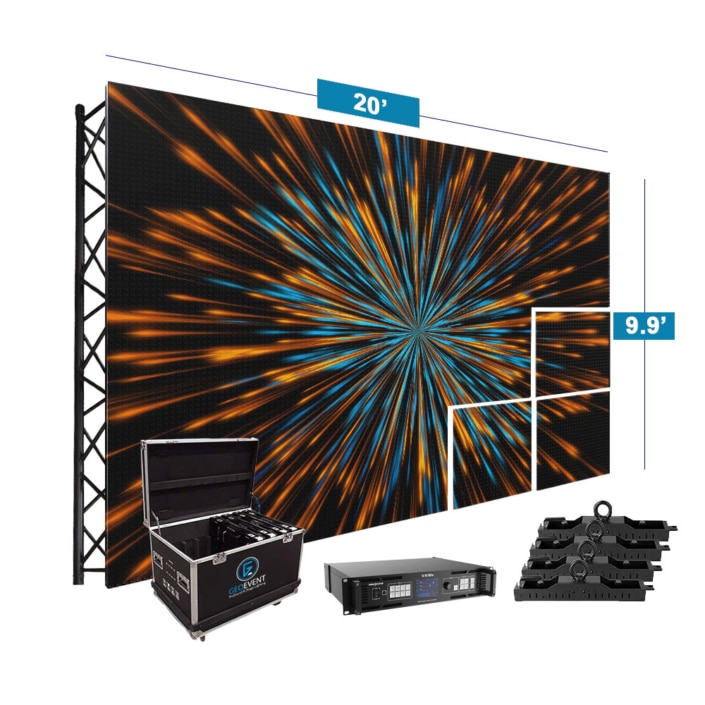
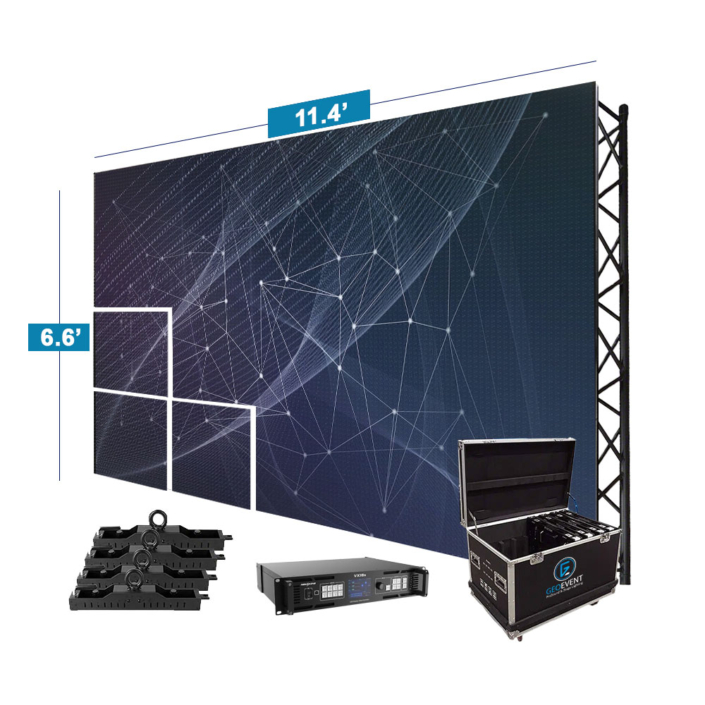
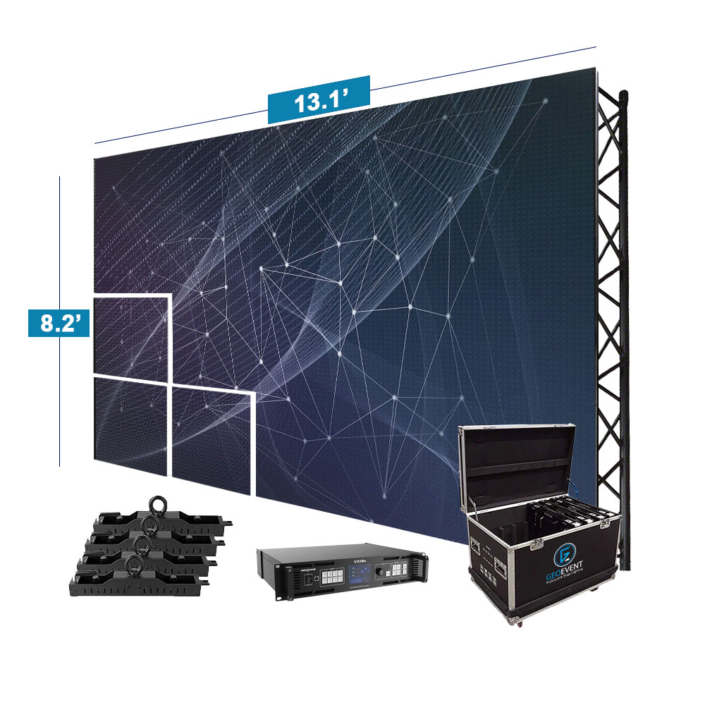
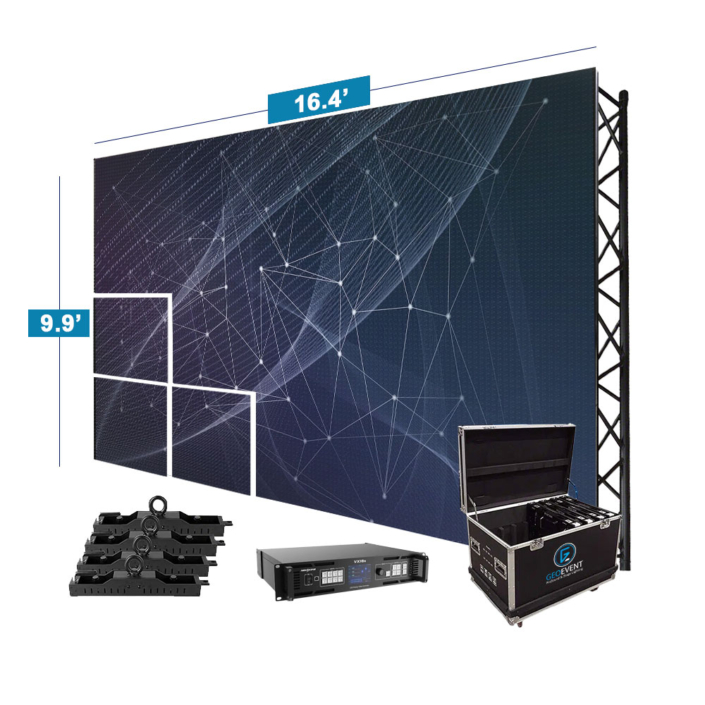
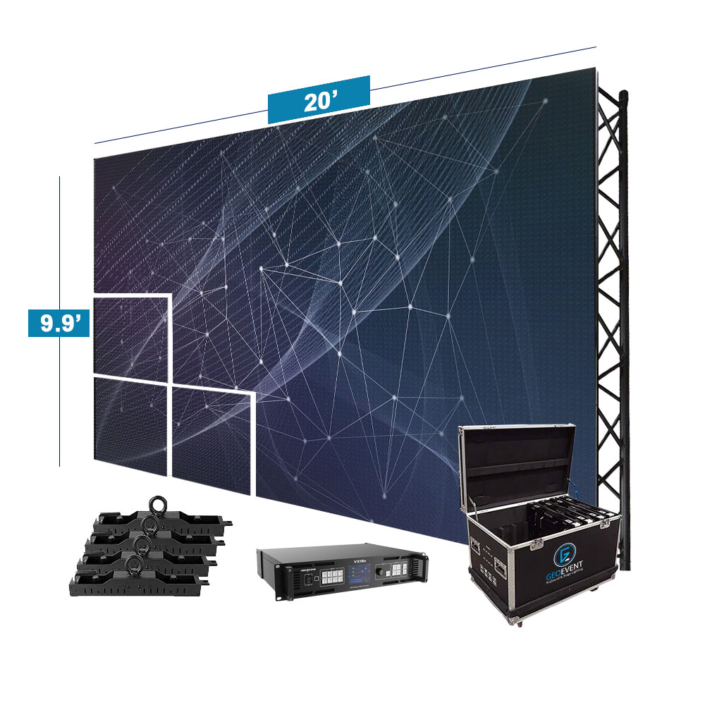
LED walls are assembled from panels, usually 500mm square, so the finished size comes in panel increments rather than arbitrary dimensions. Common configurations we build:
- 10ft × 6ft — breakout rooms, smaller ballrooms, booth backdrops.
- 16ft × 9ft — the standard 16:9 general session wall, and the easiest to produce content for.
- 20ft × 10ft and larger — main stages, concerts, festivals, large ballrooms.
- Custom and non-standard ratios — wide side panels, columns, ribbon walls and irregular shapes are all buildable; they just need content built to the exact pixel map.
Send content at the wall’s native resolution rather than at 1920×1080 scaled up. We will give you the exact pixel dimensions once the size is fixed, and it is worth getting that number to whoever is making the content before they start rather than after.
What a wall needs besides panels
The panels are the visible part of a considerably longer list. A quote from us itemises all of it rather than surprising you later:
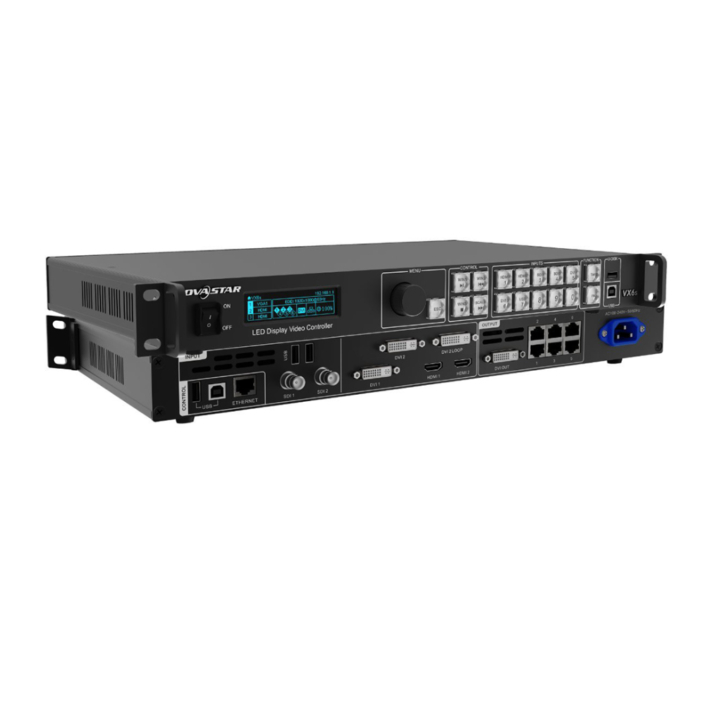
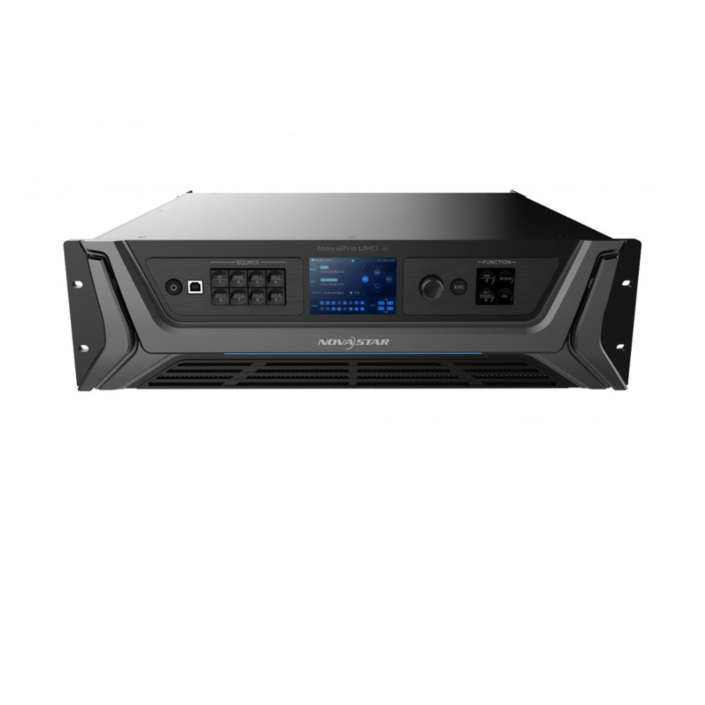
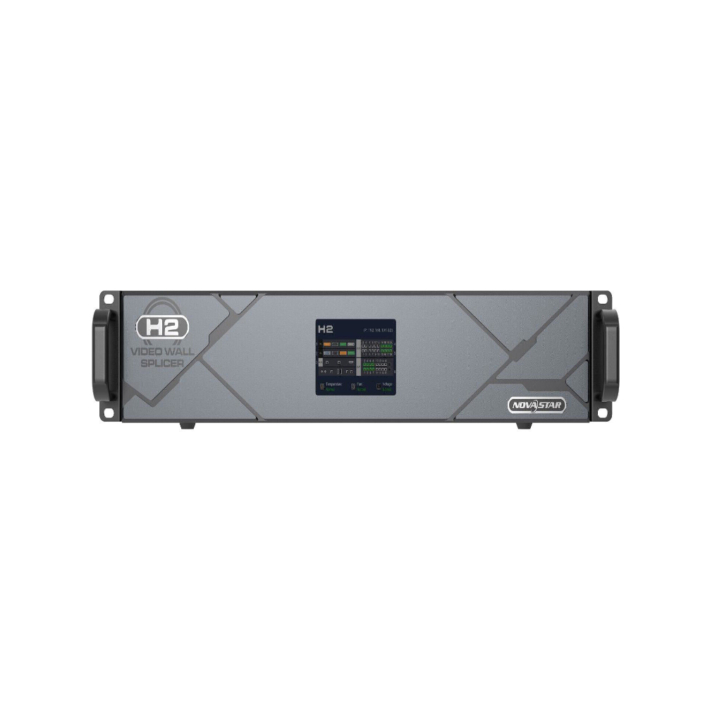
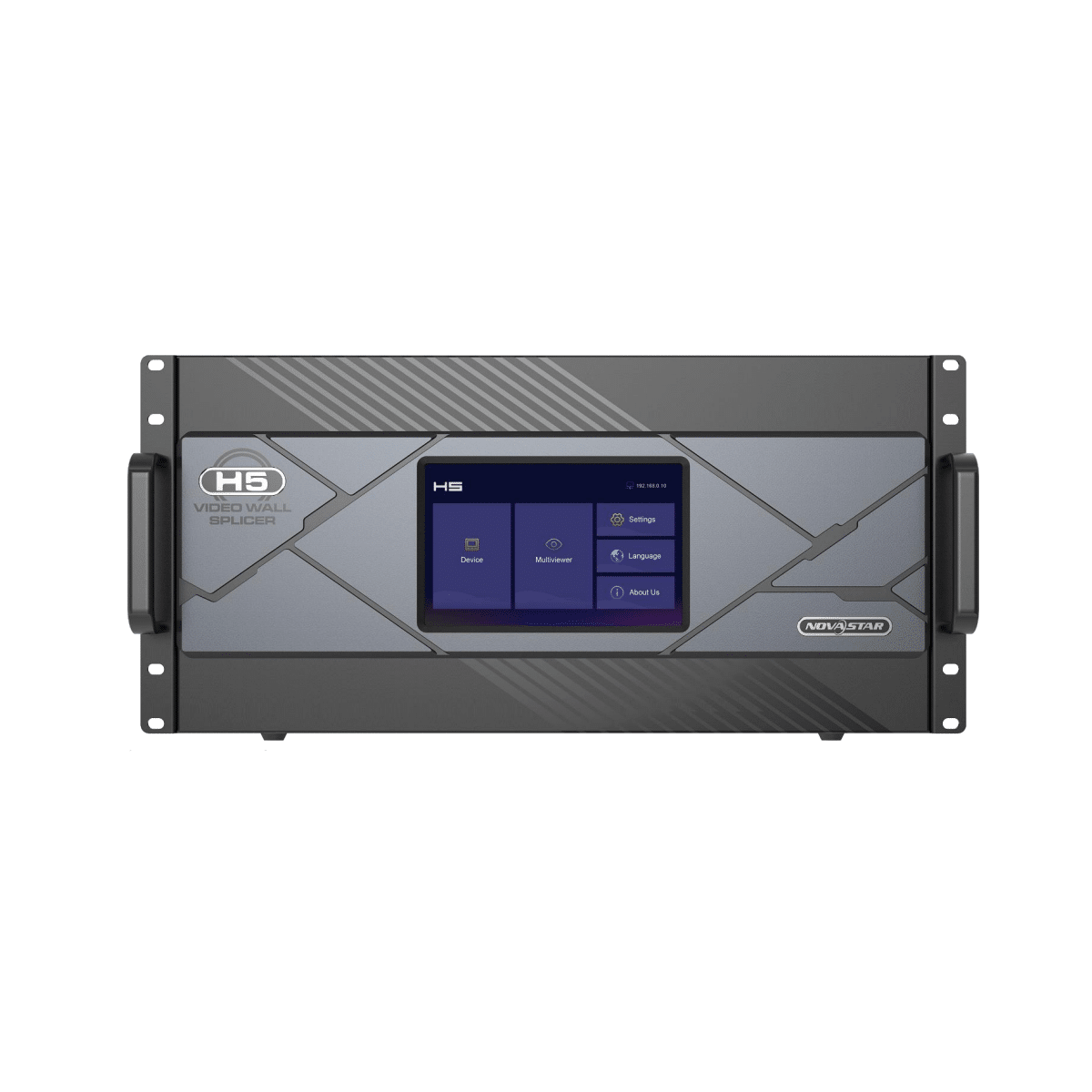
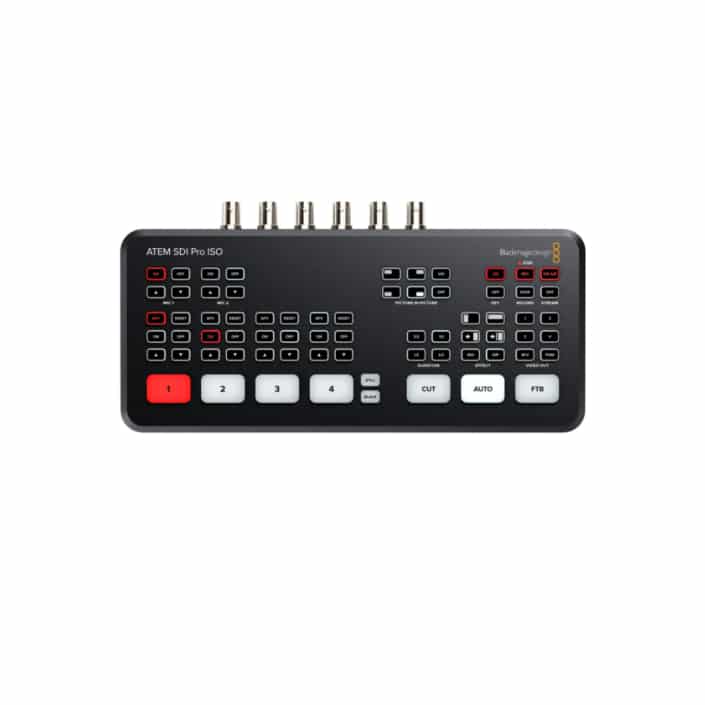
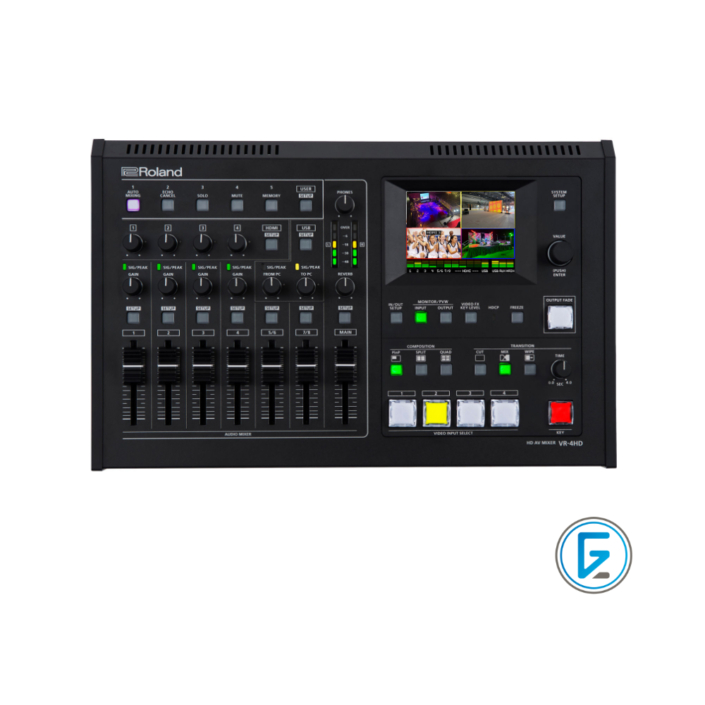
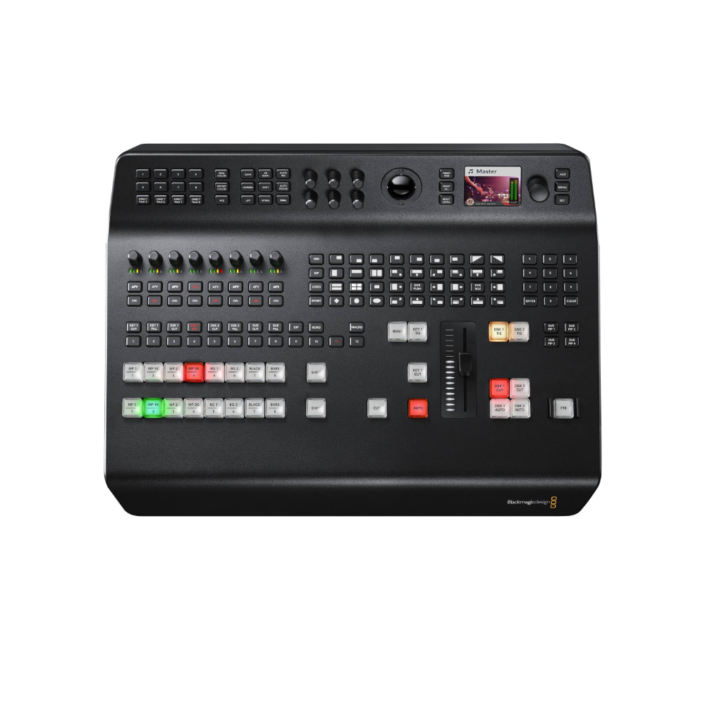
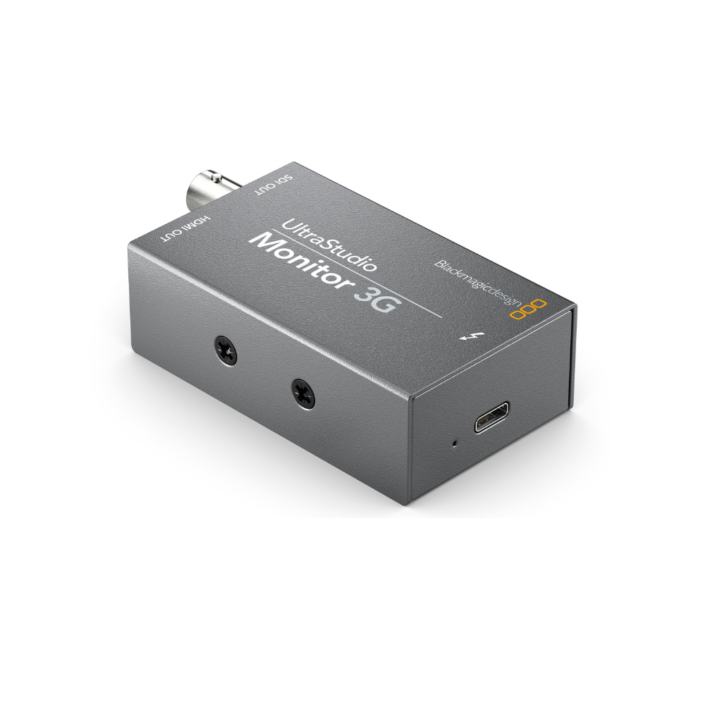
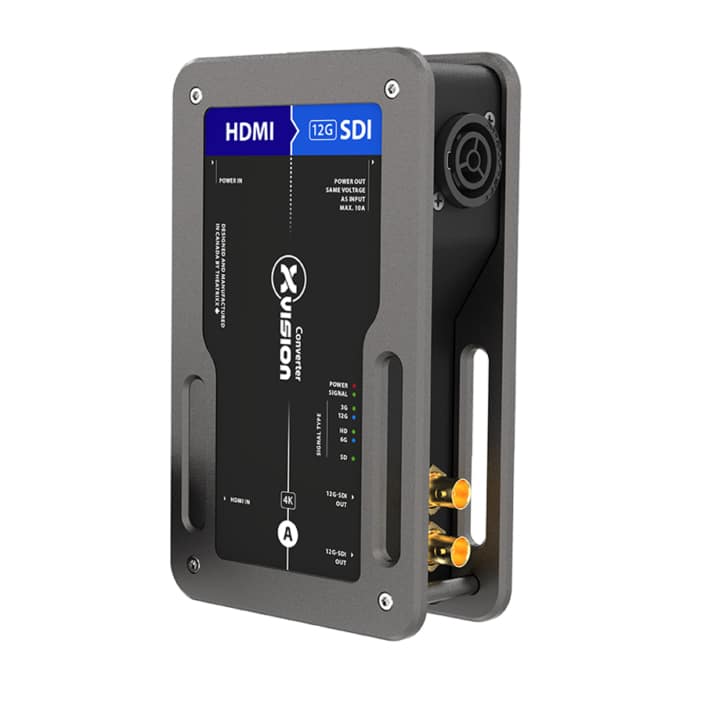
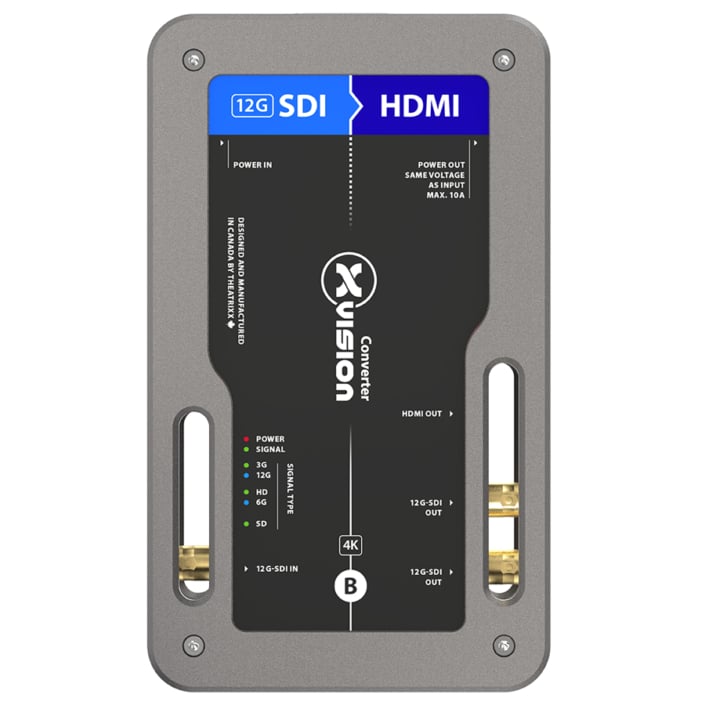
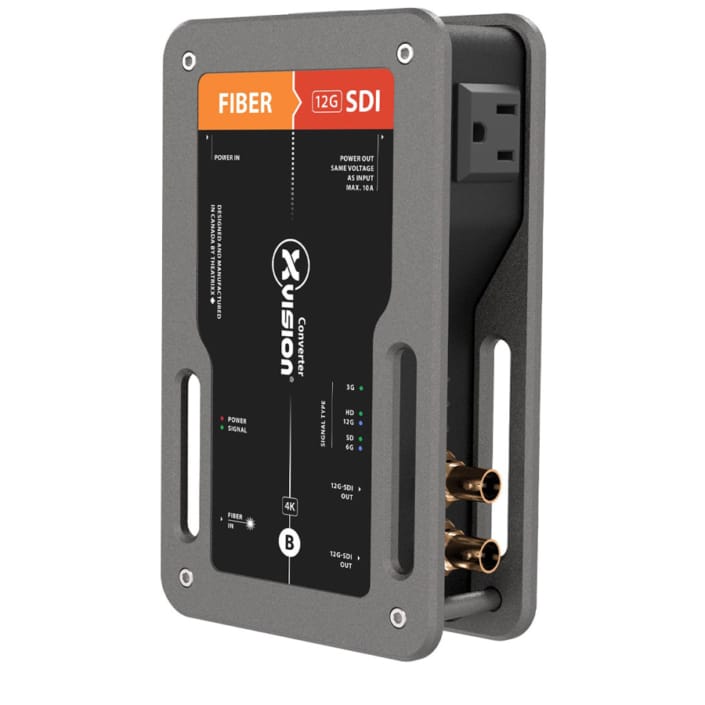
- Processing and scaling — a video processor that maps your source to the wall’s pixel layout, plus switching if you are cutting between laptops, cameras and playback.
- Support — ground support towers or motors and rigging steel. Flying a wall requires rigging points, load calculations and usually a venue-approved rigger.
- Power and distribution — LED walls draw real current, and outdoor sites rarely have it. Budget for distro and, on open sites, a generator.
- Cable, spares and redundancy — we ship spare panels and power supplies as standard on anything with a live audience.
- A technician — someone who builds it, aligns it, runs it and takes it down.
Do you need a technician?
For anything with an audience, yes, and we would rather say so plainly than sell you a wall you cannot switch on. An LED wall is not a plug-and-play display: it needs mapping to the processor, colour matching across panels, a content path from whatever is playing it, and someone who can solve a dead panel or a lost signal in the ten minutes before doors.
Crew can be added to any booking. If you would rather hand the whole thing over — screen, content playback, cameras, audio and lighting — that is our full production service, and it is often better value than assembling it from separate suppliers.
Where we deliver
We are based in Los Angeles and cover the LA basin, Orange County and Ventura as standard. LED walls travel well, and we regularly install in Las Vegas for conventions and conferences, San Diego for corporate and coastal events, and San Francisco. Delivery is quoted per booking against the site and the size of the load, and itemised separately rather than folded into the equipment rate.
For Las Vegas convention centre work in particular, tell us the hall and your assigned dock window at quote stage — union rules and load-in schedules vary by building and drive the labour line more than the equipment does.
LED video wall rental questions
How much does an LED video wall cost to rent?
It depends on size, pitch, how long you need it and whether it is flown or ground-supported. A small indoor booth wall and a 20ft outdoor festival screen with a roof are different orders of magnitude. We quote per event with equipment, delivery, build, crew and strike itemised, so you can see what is driving the number.
How far in advance should I book?
Earlier is better for anything large, flown, or during convention season. Fine-pitch inventory in particular is finite and moves quickly. Smaller walls are considerably more flexible.
Can you install on a stage or truss we already have?
Often, but the structure has to be rated for the load. Send us the specification and we will confirm before the day rather than on it.
Can I rent a wall without crew?
For a simple, small indoor wall going to an experienced in-house team, sometimes. For anything flown, outdoor, or in front of an audience, we supply the technician with it.
What about curved or unusual shapes?
Our panels can be built into curves and irregular configurations. It changes the content requirement and the build time, so raise it early.
Get a quote for your LED wall
Tell us the venue, the date, roughly how big you need the screen and how far the nearest viewer will be, and we will come back with an itemised quote and an honest opinion about the pitch. If you already have a technical rider or a stage plan, send that instead — it is faster and more accurate. Contact the team to get started.