
Archive for category: Light Rental

A packed ballroom can forgive a lot. It will not forgive bad sound, a dim screen, or a microphone that cuts out right as your keynote starts. That is why av equipment rental for events is not just a box-checking exercise. It is one of the biggest factors in whether your event feels polished, stressful, or completely off track.

For planners, producers, venues, and first-time clients alike, the challenge is rarely just finding gear. It is knowing what you actually need, what can go wrong, and how to get the right level of support without overspending. The best rental approach balances performance, logistics, and budget from the start.

What av equipment rental for events really includes

Many people hear AV rental and think speakers and a projector. In practice, event production usually involves several moving parts that need to work together.

Audio is the first priority for most events because if guests cannot hear clearly, the rest of the experience suffers fast. That can mean wireless microphones for a panel, a distributed speaker system for a conference room, DJ and performance audio for a wedding, or full concert-grade reinforcement for a festival. The right system depends on room size, audience count, ceiling height, background noise, and the type of content on stage.

Video is just as important when your message depends on visibility. Depending on the event, that could mean projector rental and screens, confidence monitors, live camera feeds, switchers, presentation support, or LED video wall rental for brighter environments. A general session in a dim ballroom has very different needs than a trade show booth or outdoor event in daylight.

Lighting often gets treated as optional until clients see the difference it makes. Basic stage wash, uplighting, moving lights, and pin spotting can change how a room looks on camera and in person. Good lighting does more than add style. It improves visibility, supports branding, and helps direct attention where it belongs.

Then there is staging and structure. A stage rental, podium, risers, pipe and drape, truss, and power distribution may all be part of the same scope. If any one of those elements is missed, the entire production chain becomes harder to execute.

Why the lowest quote is not always the lowest cost

Price matters. Every planner has a budget, and responsible production partners should respect it. But AV is one of those categories where a cheap quote can become expensive very quickly.

Sometimes a low quote excludes labor, delivery, setup, strike, onsite techs, patching, or cable management. Sometimes it includes equipment that is technically available but not appropriate for the room or the audience size. On paper, two proposals may look similar. In the venue, they can perform very differently.

This is where experience matters. A dependable rental partner should be willing to explain why one speaker package is enough for a breakout room but not for a crowded reception, or why a projector that works indoors may fail in a bright venue. You want clear recommendations, not inflated specs or stripped-down packages that leave you exposed.

The right approach is budget-conscious, not budget-blind. There is usually a smart middle ground between overbuilding and underpreparing.

How to scope the right AV package

The best event setups start with the use case, not the equipment list. Before anyone starts naming models or quantities, it helps to answer a few practical questions.

What is the event type? A corporate conference, wedding, product launch, trade show activation, and live music event all require different systems. What is the audience size, and how is the room laid out? A hundred people seated theater-style is very different from a hundred people spread across an open networking space.

You also need to know what happens on stage. Will there be live music, video playback, remote presenters, audience Q and A, or multiple presenters sharing content? Are there scenic elements, branding requirements, or a need for recording and livestream support? The more clearly those details are mapped out, the more accurately the system can be designed.

Venue details are just as important. Ceiling height, load-in access, power availability, ambient light, union rules, noise restrictions, and setup windows all affect the plan. A strong AV partner asks these questions early because they know the room can make or break the equipment choice.

When standalone rental makes sense and when full support is better

Not every event needs a full production crew. If you have an experienced in-house team or a straightforward setup, standalone rental can be the right move. That might include a small PA for a private event, a basic projector package for a meeting, or stage lighting added to an existing venue system.

But there is a point where equipment alone is not enough. If your event includes multiple presenters, live cues, custom staging, show calling, or high guest expectations, onsite technical support becomes far more valuable. The same is true when the schedule is tight or the room has limitations that need active problem-solving.

Full-service support usually covers planning, equipment selection, delivery, installation, testing, live operation, troubleshooting, and teardown. It gives clients one accountable team rather than a stack of separate vendors trying to coordinate in real time. For many events, that is where the real value shows up – fewer handoff issues, faster decision-making, and less risk during the moments that matter.

Common mistakes in av equipment rental for events

The most common mistake is underestimating coverage. A room may look small during a site visit and feel much larger once it is filled with people, décor, and ambient noise. Sound absorption changes. Sightlines disappear. A single screen no longer works for the audience in the back.

Another issue is assuming venue AV is automatically enough. Some venues have excellent infrastructure. Others have limited in-house systems that are fine for simple meetings but not for a high-impact production. It depends on the room, the content, and the standard your event needs to meet.

Timing is another pressure point. Last-minute rentals are possible, but they reduce your options and increase the chance of compromises. Popular event dates, especially around conferences, weddings, and festival weekends, can tighten inventory and labor availability.

Clients also run into trouble when they rent gear without thinking through operation. A wireless mic is only useful if someone is managing frequencies, battery changes, handoffs, and cue timing. An LED wall only helps if content is formatted correctly and the playback workflow has been tested. Equipment is one part of the job. Execution is the rest.

What a dependable rental partner should help you figure out

A good AV company does not just send a quote. They help you define scope, pressure-test assumptions, and avoid preventable issues before load-in day.

That includes translating event goals into technical decisions. If you are hosting a general session, they should tell you how many microphones are realistic, whether delay speakers are needed, and what display format fits the room. If you are planning a wedding or private event, they should be able to guide you on ceremony audio, reception lighting, and transitions between program elements.

They should also be honest about trade-offs. If budget needs to come down, they should show you where to trim without damaging the audience experience. If a certain visual idea will require more power, rigging, or labor than expected, that should be explained clearly upfront.

For clients working across Los Angeles, San Diego, San Francisco, or Las Vegas, experience with local venues and event conditions can make planning faster and cleaner. Every market has its own logistical quirks, and that local operational knowledge often saves time during setup and strike.

Choosing a partner, not just a vendor

The difference between a smooth show and a stressful one often comes down to ownership. When your AV provider treats the job as a transaction, you usually feel it in communication gaps, vague planning, or avoidable day-of problems. When they treat it as a shared responsibility, the process becomes much easier to manage.

That is especially true for clients juggling multiple priorities at once. Event planners and producers should not have to chase five different companies for staging, audio, video, and labor updates. A single production partner with rental inventory, technical staff, and operational oversight can simplify the entire process.

That is the model GeoEvent is built around: practical recommendations, dependable gear, and hands-on support that scales from simple rentals to full event execution. For some clients, that means a straightforward equipment package. For others, it means planning, setup, show operation, and teardown handled by one team.

If you are planning an event and weighing your options, start by looking past the equipment list. Ask who is responsible for making the room sound right, look right, and run right when guests are in their seats. That answer usually tells you more than the quote ever will.

When show call is 7:00 a.m., load-in starts before most guests are awake, and three different vendors are texting three different answers, event planning stops feeling strategic and starts feeling fragile. That is exactly where a full service event production company earns its place. Instead of piecing together audio, lighting, staging, video, labor, and timing from separate providers, you get one team responsible for how the event looks, sounds, runs, and recovers when plans change.

For some clients, that means handing off the entire production. For others, it means filling the gaps around an internal team that already has a venue, creative concept, or run of show in place. The point is not just convenience. It is accountability. When one production partner manages the technical systems and the people behind them, there is less room for confusion, finger-pointing, and last-minute compromises.

What a full service event production company actually handles

A lot of companies use the phrase loosely. In practice, a true full service event production company does much more than drop off equipment. It plans around the event goals, translates those goals into technical requirements, coordinates logistics, staffs the show, and stays involved through teardown.

That can include audio systems for speeches or live music, lighting design for stage visibility and atmosphere, stage platforms and scenic elements, projection or LED video walls, power planning, technical direction, show calling, and on-site crew. It often also includes venue coordination, load-in scheduling, equipment transportation, cable management, testing, live operation, and strike.

The difference matters. Renting speakers and projectors is useful if you already know exactly what you need and have a crew to deploy it. Full-service production is different. It means someone is thinking through the room layout, the presenter experience, audience sightlines, cue timing, backup plans, and how every moving part connects.

Why clients choose a full service event production company

Most event issues are not caused by one major failure. They come from small gaps between vendors. The stage company assumes the AV team is providing risers. The lighting team does not get the final floor plan. The venue changes load-in access the night before. Nobody owns the whole picture, so everyone works hard and the event still feels harder than it should.

A full service event production company reduces those gaps by centralizing communication and execution. One point of contact can make decisions faster, flag technical conflicts earlier, and keep the event aligned with the budget. That is especially valuable for conferences, weddings, festivals, trade shows, and branded events where timing, guest experience, and presentation quality all matter at once.

There is also a cost conversation here. Hiring one production partner is not always the cheapest line-item option on paper. If you are comparing quotes only by equipment totals, a pieced-together approach can sometimes look lower. But events are rarely won or lost on rental numbers alone. Labor efficiency, truck logistics, setup time, troubleshooting, and avoiding duplicate charges often change the real cost. So does the value of having one accountable team if something shifts mid-show.

The planning stage is where the value starts

Good production begins long before equipment arrives. A capable team asks practical questions early. What is the purpose of the event? How many guests are expected? Is the priority clarity for speakers, impact for entertainment, brand presence, or all three? What are the venue restrictions? What does the load-in path look like? Will the room need pipe and drape, confidence monitors, backstage communication, or a generator?

Those questions shape the technical plan. A general session for 500 attendees does not need the same audio approach as an outdoor festival. A wedding with live music and speeches has different cueing needs than a trade show booth or a corporate awards dinner. Full-service support means the production plan is built around the event format instead of forcing the event to fit a generic package.

This is also where experienced guidance protects first-time buyers. Not every client knows whether they need front fill speakers, stage wash, switchers, or labor calls broken into setup and show ops. They should not have to. A dependable production partner translates technical decisions into clear recommendations, so clients can make smart choices without becoming AV specialists overnight.

Equipment matters, but coordination matters more

Clients often begin with a shopping list: microphones, moving lights, a stage, a projector, maybe an LED wall. Those pieces are important, but gear alone does not create a successful event. The real work is matching the right equipment to the room, audience size, content type, and schedule.

For example, projection can be a strong fit for indoor meetings with controlled lighting, while LED video walls may perform better in brighter environments or for larger audiences that need punch and visibility. A small panel discussion may need clean speech reinforcement and discreet lighting, while a concert or festival needs more output, more monitoring, and a stronger backstage workflow. Bigger is not always better. Better matched is better.

That is why a full-service approach tends to produce stronger results than assembling gear line by line. The team is not simply fulfilling a rental order. It is building a system that works together under show conditions.

Staffing and show operation are part of the service

One of the biggest misunderstandings in event planning is assuming the setup is the hard part and the show will take care of itself. In reality, live operation is where expertise shows. Someone has to manage audio levels when a panelist drifts off mic. Someone has to fire the right video cue, adjust lighting looks, coordinate transitions, and solve issues quietly before guests notice them.

A full service event production company provides that operational layer. Depending on the event, that may mean audio engineers, lighting technicians, video operators, stage managers, or general crew. It may also mean a production lead who keeps the day on track and communicates with the client, venue, and other vendors.

This support is especially valuable when the schedule is tight or the program has a lot of moving pieces. Walk-up music, keynote entrances, sponsor videos, first dances, live bands, award winners, and scene changes all need timing. A polished event rarely happens by accident.

Full service does not mean one-size-fits-all

There is a common concern that full-service production means paying for more than you need. Sometimes that is a fair concern. Not every event requires full takeover. Some clients have an experienced internal producer and only need audio rental, stage rental, or a crew to execute a plan already in place.

A good production partner should be flexible enough to support both models. If you need end-to-end management, they should handle it. If you need a targeted package built around lighting, projection, staging, or staffing, they should be able to scale accordingly. Full service should describe capability, not pressure.

That flexibility matters across the West Coast, where venues, labor conditions, outdoor environments, and event formats can vary widely from one market to another. The right partner adjusts to the event rather than forcing the event into a fixed package.

How to tell if a company is truly full service

The easiest test is to ask what happens after the quote is approved. Do they help with planning, venue coordination, scheduling, and crew assignments? Will they be on site for setup, operation, and teardown? Can they support different event types, from conferences and weddings to festivals and private events? Do they explain trade-offs clearly when budget and production goals are in tension?

You should also pay attention to how they communicate. Strong production companies do not hide behind jargon. They ask smart questions, identify risks early, and explain recommendations in plain language. They are confident, but not careless. They know where budget can be trimmed and where cutting corners creates real exposure.

For clients who want one accountable partner for gear, labor, logistics, and live execution, that level of support is what turns a vendor into a production team. That is also the standard GeoEvent is built around, whether a client needs a single AV category or a complete production plan managed from pre-production through strike.

The best events feel effortless to the audience because someone worked very hard to remove the friction behind the scenes. If you are weighing whether to coordinate multiple vendors or bring in one production partner, start with the real question: who do you want responsible when timing shifts, cues stack up, and the room is full? The right answer usually makes the next step clear.

A packed ballroom with bad audio can make a strong keynote feel flat. A wedding with perfect timing, clean lighting, and clear sound feels effortless to guests, even though a lot is happening behind the scenes. That gap is the easiest way to explain what is event production: it is the planning, coordination, technical setup, and live execution that turn an event concept into a real experience people can see, hear, and move through comfortably.

Event production is not just equipment delivery, and it is not the same as general event planning. It covers the technical and operational side of an event – audio, lighting, staging, video, power, crew, show flow, setup, strike, and on-site management. In practical terms, event production is the work that makes the room function, supports the schedule, and keeps the audience focused on the event rather than the problems.

What Is Event Production in Practical Terms?

If you are asking what is event production because you are planning an event, the simplest answer is this: it is the system that supports every live moment. That includes what attendees hear from the stage, what presenters see on screens, how performers are lit, how a ceremony starts on cue, and how everything gets built and removed safely.

For a conference, production might include microphones, speakers, projection, LED walls, confidence monitors, stage lighting, scenic elements, and a crew to manage cues throughout the day. For a festival, it can expand to include large-format staging, power distribution, multiple performance areas, backstage coordination, and longer setup windows. For a wedding, production often means making sure the ceremony audio is clear, the reception lighting feels intentional, and the entertainment transitions smoothly from one part of the evening to the next.

The scope changes by event type, but the goal stays the same: deliver a polished experience with dependable technical support.

Event Production vs. Event Planning

This is where many clients get tripped up. Event planning usually focuses on the broader event strategy and guest-facing details. That may include venue selection, catering, invitations, décor, registration, and timeline development. Event production focuses on how the event is physically and technically executed.

There is overlap, and on smaller events one team may help with both. But they are not interchangeable roles. A planner might build the schedule for a product launch, while the production team handles the stage layout, microphones, playback, lighting looks, screen content support, and show calling. When both sides work well together, the event feels organized from every angle.

That distinction matters because some events only need AV rentals and a few technicians, while others need full production management from early planning through teardown. The right level of support depends on complexity, budget, venue rules, and how much internal bandwidth you actually have.

What Event Production Usually Includes

Most event production work starts before any equipment arrives. It begins with understanding the event goals, venue conditions, audience size, and program format. A corporate meeting has different needs than a concert, and a rooftop reception has different power and access constraints than a convention center ballroom.

From there, production typically includes system design, equipment selection, logistics, staffing, setup, live operation, and strike. Audio might involve wireless microphones, speaker coverage, playback systems, and mixing. Lighting may include stage wash, uplighting, intelligent fixtures, or atmospheric looks for entertainment segments. Video can range from a single projector and screen to a large LED wall with multiple content sources.

Staging is another major piece. That might mean a simple riser for speakers, a performance stage for a band, runway elements for a fashion show, or custom scenic design for a branded event. Crew support is just as important as gear. Equipment does not run itself, and even a well-designed system can fail in practice without experienced technicians monitoring levels, managing transitions, and solving problems in real time.

Why Event Production Matters More Than People Realize

Strong production protects the guest experience, but it also protects the event budget. Technical mistakes are expensive when they cause delays, rework, or audience disengagement. A weak sound system can derail a panel discussion. Inadequate lighting can make video capture unusable. Poor stage layout can create awkward transitions and dead time.

Good production reduces those risks by making decisions early. It considers sightlines, room acoustics, load-in timing, cable paths, power availability, and contingency plans. Those details may not be glamorous, but they are often the difference between a smooth show and a stressful one.

This is also why relying on multiple disconnected vendors can become difficult. One company handles staging, another brings speakers, another provides screens, and no one fully owns the complete execution. That setup can work on simple events, but as complexity grows, gaps appear fast. A single accountable production partner often makes communication cleaner and troubleshooting faster.

The Main Stages of Event Production

The production process usually starts with discovery. This is where the team learns what the event needs to accomplish, what the venue allows, and where the pressure points are likely to be. Budget conversations matter here too. Not every event needs a full concert-style lighting package, and not every conference needs a large LED display. The job is to match production value to the goals of the event.

Next comes planning and design. This may include floor plans, equipment lists, run-of-show development, staffing plans, and venue coordination. At this stage, an experienced team is not just saying yes to requests. They are identifying trade-offs. For example, a lower ceiling height may limit screen placement. A tight load-in window may require more crew. An outdoor event may need weather protection and additional power planning.

Then comes setup and testing. Gear is delivered, built, wired, tuned, and checked before guests arrive. This is where production discipline shows. Testing microphones, verifying content playback, labeling signal paths, and rehearsing cue timing all reduce pressure during showtime.

Live operation is where all that preparation pays off. Technicians mix sound, trigger cues, adjust lighting, support presenters, and respond to changes as they happen. No matter how organized the plan is, live events move. Speakers go long. Videos fail to load. Guests shift seating patterns. Production crews keep those moments from becoming audience problems.

Finally, teardown closes the loop. Equipment is removed, the venue is cleared, and the event wraps out safely and efficiently.

Who Needs Event Production Services?

Almost any live event with an audience benefits from some level of production support. The question is not whether production is needed, but how much. A small private event may only need rented speakers, a microphone, and basic lighting. A trade show booth may need display monitors, branded scenic elements, and setup support. A multi-day conference may require full technical management across several rooms.

Corporate planners often need production help because they are balancing messaging, stakeholders, and tight schedules. Wedding clients usually need guidance translating a vision into realistic audio, lighting, and entertainment logistics. Festival operators and venues need scalable systems, experienced crew, and a team that can work under pressure.

First-time buyers often assume production is only for large events. It is not. Smaller events can be just as vulnerable to technical issues, especially when the venue has limitations or the timeline is tight. The right support level is about complexity, not ego.

Choosing the Right Event Production Partner

Not every provider offers the same kind of support. Some only rent equipment. Others provide full-service production, including planning, staging, staffing, operation, and breakdown. Neither model is automatically better. It depends on whether you have the internal experience to manage the moving parts yourself.

When evaluating a production partner, look beyond inventory. Ask how they approach timelines, venue coordination, staffing, backup planning, and budget control. Technical gear matters, but execution matters more. A team with solid equipment and real on-site experience will usually outperform a vendor with a bigger catalog but weaker operational support.

It also helps to work with a company that is comfortable scaling up or down. Some events need complete takeover services, while others just need audio rental, lighting rental, staging, or a video wall package with a few technicians. A flexible partner can meet you where you are instead of forcing a one-size-fits-all solution. That practical mindset is a big reason clients across the West Coast work with teams like GeoEvent when they want one source for both gear and execution.

What Clients Often Underestimate

The most commonly underestimated parts of event production are labor, timing, and venue constraints. Clients may budget for speakers and lights but forget the crew needed to install and operate them. They may assume a one-hour setup is realistic when the event actually needs sound check, content testing, and room adjustments. Or they may not realize that union rules, freight access, power locations, or outdoor conditions can reshape the plan.

None of this means events need to become overproduced. It means production should be right-sized and thought through. A good team will tell you when a simpler setup is enough and when cutting too far will create unnecessary risk.

The best events rarely feel technical to the audience. They feel clear, comfortable, and well-paced. That is what event production is really doing. It takes the moving parts that could distract from your message, your performance, or your celebration and manages them with care. If you are planning an event, the smartest next step is not guessing what equipment to order. It is figuring out what kind of support will let the event run the way you want it to feel.
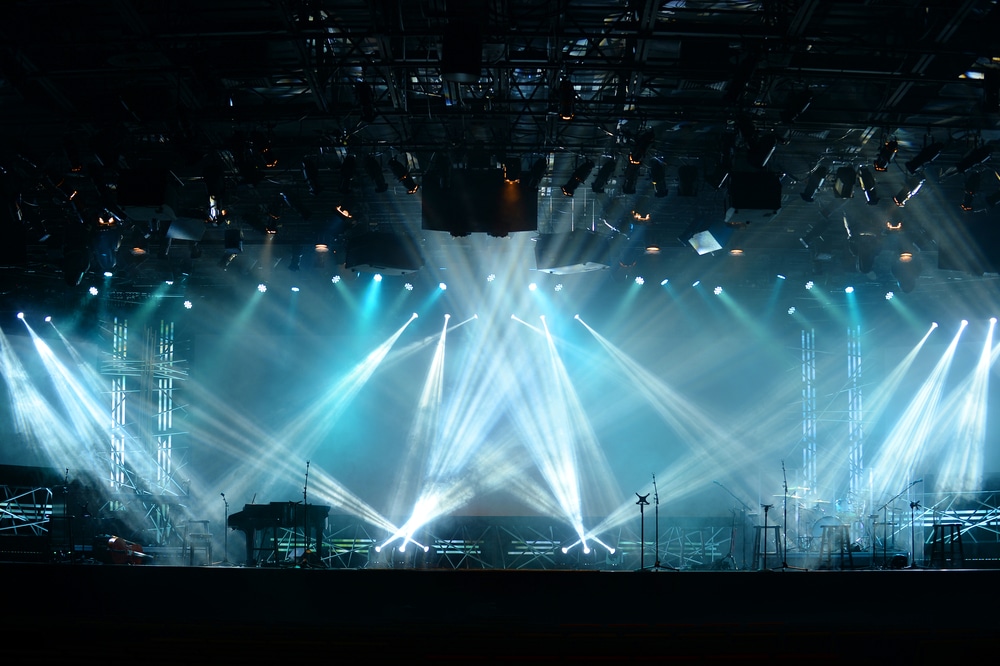
Every little detail matters when organizing a special event, but lighting is one area where it really can make all the difference in making the event one to remember. The appropriate lighting creates the atmosphere, draws attention to significant areas, and even affects the event’s general vibe. Here’s where expert lighting rental services become useful. These services can take your event from ordinary to outstanding by adding an artistic touch in addition to lighting. Whether your event is a corporate gala, a romantic wedding, or a cutting-edge fashion display, including professional lighting solutions is essential to making it memorable.

But before your ensure adjusting the perfect lighting for the event, make sure to choose the right lighting equipments. Here’s how you can choose the perfect lighting equipment. 

One of the most important aspects of event planning that can have a big impact on the success and atmosphere of the event is selecting the appropriate lighting equipment. The appropriate lighting can set the tone, draw attention to important details, and provide guests an unforgettable experience. Venue, theme, and intended atmosphere are all significant considerations when choosing lighting equipment. To produce different effects and focal points, many lighting kinds can be used, including string lights, uplights, and spotlights. Furthermore, taking into account the lighting’s color temperature, brightness, and placement might improve the image as a whole. Light rentals and event coordinators may turn any area into an engrossing and immersive setting that makes an impression on visitors by carefully choosing the appropriate lighting equipment.

Impact of proper lighting in events 

Planning an event requires careful consideration of lighting since it sets the tone, improves the ambience, and gives guests an unforgettable experience. A boring area can become enthralling and magical with the correct illumination. In addition to hiding any faults or blemishes, it can draw attention to important components like centerpieces, decorations, and focal points. In addition, well-planned lighting arrangements can direct guests’ gaze, add depth and perspective, and elicit particular feelings or themes. The options are unlimited when it comes to utilizing lighting to enhance your event and make an impression on your attendees, ranging from vivid colors to delicate and subdued tones.

Correct lighting tone to set the mood

Setting the correct tone with lighting is an essential part of organizing an event. Lighting has the ability to completely change an area, bringing people together and establishing the mood for the occasion. Event planners can create a lively and energetic mood or a warm and inviting one by carefully positioning lights and experimenting with different colors and intensities. Lighting may provide focal points that attract guests’ attention and highlight important aspects of the event, like the stage or décor. Furthermore, lighting can be used to elevate the event’s theme or concept by incorporating an additional level of sophistication and elegance. 

Creating better hues

Event lighting is heavily influenced by color, which also has a big impact on the general ambiance and mood of the event. As different hues arouse different feelings, they can be deliberately employed to establish the right atmosphere. For instance, cool hues like blue and green can produce a tranquil and serene setting, while warm hues like red and orange can create a warm and intimate feeling. Furthermore, color can be employed to strengthen an event’s theme or branding, giving guests a unified and eye-catching experience. You can opt for light rentals and choose light equipments that may utilize color to establish the mood and give attendees an unforgettable experience by knowing the psychology of color and how it works with lighting.

Setting the right stage 

Presenters and speakers can see where they are thanks to stage lighting, which also makes it possible for the audience to view them well. Normally, white and neutral lighting is employed, but occasionally, colors can be emphasized to express distinct feelings. It is important to light the front, sides, and back of the stage to eliminate shadows and create a sense of depth, as well as to frame and define the space.

The ambiance of a successful event is greatly influenced by the lighting design.The above mentioned pointers are essential for excellent event lighting may really make a big impact on giving guests an unforgettable experience. Take the lighting’s color temperature into account while choosing to set the right lighting for the event. While cool lighting can suggest a more contemporary and energizing atmosphere, warm lighting can create a pleasant and intimate ambiance. Furthermore, the event area can be given depth and dimension by combining various lighting techniques including gobo projections, spotlights, and uplighting. Event coordinators may make sure that the lighting complements the overall theme and atmosphere of the gathering and creates a memorable impact on attendees by following these last few pointers.

The best equipment is essential when planning a presentation, event, or other gathering that calls for high-quality audio-visual technology. However, even the most experienced event coordinators occasionally forget important aspects when hiring audiovisual equipment. 

Here are some of the common mistakes that you should avoid if you are renting equipment: 

  1. Ignoring compatibility with vendors

It is fairly unusual for people to rent equipment from several vendors. But occasionally, this might result in compatibility problems, adding needless stress on the day of the event. Make certain every piece of gear you own is compatible with the others. If you’re still determining if something will work together, think considering renting all of your equipment from one reliable supplier. Our AV Equipment Rental service makes sure that everything works together, sparing you any possible hassles.

  1. Not testing equipment 

Imagine arriving at your event and finding that one of the pieces of equipment isn’t working properly. These last-minute shocks can be harmful and upsetting. Always do an equipment test before going for an event and after the av rental. This involves completing a thorough run-through with the equipment, verifying that all devices are properly charged, and inspecting the cords. GeoEvent can help with setup and testing if you’re not tech-savvy. 

  1.  Choosing wrong timing 

One planning error to avoid is scheduling your equipment rental at the wrong time. Luckily, there is a simple workaround for this, so it need not be an expensive company mistake. You may maximise your av rental efficiency and keep your expenditures where they should be by scheduling your rental agreement to fit your schedule. Appropriate planning is the key to good timing. It all comes down to determining the extent of your task and then planning your equipment rentals to fit within a reasonable timeframe. The ideal scenario would be to have the appropriate size machine delivered to your location just when you need it. When planning your schedule, make sure to return the rental equipment as soon as you’re done to avoid paying more than is required.

  1. Not rechecking safety 

It should never occur for equipment rental to have safety concerns. Every workplace prioritises safety, and your working locations are no exception. You take the safety of your employees extremely seriously because it is the right and moral thing to do. Safety permeates every aspect of your company. SOPs for the equipment your business owns should be a part of your safety program. You must exercise the same caution and safety measures when using rental equipment. This includes adhering to the SOPs advised by dealers for rental equipment such as material handling, concrete, and aerial lifts. Safety in the operation of equipment is a very critical matter. 

  1. Ignoring sound quality checks 

Poor audio will be noticeable to everyone at your event. An astonishing number of your guests may tune out due to poor audio. Think about the auditory experience from the front row, the middle row, and the back row while organising your event. “Delayed” speakers may be necessary in the back row to offer more sound if your space is very big. It’s also critical to think about and inform your AV business about the purposes of your sound system. For instance, let your AV provider know if there will be an unexpected musical performance so they can choose the ideal speakers for the occasion. 

  1. Understating venue needs 

Every venue is different, with different visual and aural problems. If you rent equipment without taking into account the particular needs of your location, you risk having poor sound quality or visual disturbances. Examine the location’s dimensions, shape, and any acoustic issues before hiring. Seek advice from professionals like equipment rental specialists if you’re unsure. Our staff can offer advice on what equipment will work best at your location.

  1. Hiring rental services late 

One of the first suppliers you work with should be your AV firm. Hiring your AV provider needs to happen even before you sign the venue contract. They can represent you in locating the ideal site for your event if you employ them before the venue. When deciding if the location meets your goals and vision, a reputable AV firm can assist you. Additionally, they will assist with settling any pointless venue expenses. This will improve your budget and spare you a great deal of headaches.

When handled improperly, even the greatest equipment technology can be compromised. Appropriate guidance and assistance may have a big impact. It may be quite helpful to have professional support available when fixing little difficulties or learning the ins and outs of a specific gadget. You can make sure your event is a huge success by staying away from these typical blunders and working with reliable professionals. 

When it comes to event planning of any size, every planner knows the intense amount of scheduling, budgeting, and organizing that goes into making each stage perfect. With such a wide variety of events to coordinate in our fast-paced world, the type of stage required for each event can be just as diverse. Whether planning a wedding, concert, fundraiser, or community gathering, it’s important to ask yourself if buying or renting the stage is the best option for you. Below, we’ll evaluate some key issues and weigh in on the debate of buying vs. renting stage for your next major event. 

Benefits of Stage Rental

  1. Cost-effective

Every firm needs a budget. Therefore, in the purchasing or renting stage, you have to make the most economical decision. Maybe this is the reason that so many procurement officials and company owners inquire about the price of renting stages.

The price of a stage for rent often varies according to the components you select. As a result, by choosing products that fit within your budget, you may raise or lower expenses. You may purchase anything for a few thousand to tens of thousands of dollars. In addition, when you purchase the stage, you have additional costs for maintenance every time you use the stage.

You pay for the services you use from the rental provider when you use AV rental services. Consequently, you only purchase more parts when your events require them. Furthermore, you may affordably use expensive ones with customized features for precise occasions. You can always select the newest stage for your events without having to pay more for it. All things considered, you save money and have access to the newest stages available in the market.

  1. Scalability and longevity 

Buying your one stage now can save you money later on, but only if it can withstand several events. Sometimes, after just a few usages, stages tend to fade. Because fashion and trends may shift quickly and without consideration for your finances, renting a stage can help you steer clear of such potentially hazardous purchases. When it comes to adding portable stage kits, including risers, backdrops, platforms, concert stairs, railings and trusses, renting a stage rather than buying it provides the required scalability. Renting might also be a more affordable option for obtaining high-quality stage rather than buying quickly obsolescent technology.

  1. Tech advancements 

Advances in stage equipment technology happen quickly. As a result, you have to spend more money on your stage and its types of equipment to utilise the newest technology. Budget constraints, however, might make it difficult to stay up to date with technology advancements. Renting thus becomes a financially secure choice for the majority of companies and people.

Modern stages can be expensive for some businesses and individuals to purchase. Additionally, as technology advances, you may replace the stage more frequently to meet participants’ ever-changing needs. Also, this will set you back extra. Choose a stage rental that makes the most of modern technology to create a memorable event.

  1. Transportation 

Before making a purchase, you should also think about whether you have enough room for the stage storage and transportation. Even though buying stage supplies can be less expensive than renting, you’ll also need to think about whether you’ll need to pay for equipment storage during the off-season. Additionally, it might be laborious to move larger pieces of the stage, such as concert stairs and backdrops every time you move from one concert to another. Additionally, you’ll need to plan how to quickly and effectively put up and take down the stage at each event. For these reasons, renting is typically the most cost-effective and practical choice.

  1. Maintenance 

When you rent a stage, you are not responsible for any upkeep or maintenance. Upkeep, repairs, and updates are the responsibility of the stage rental service provider. Before selecting the rental provider, you also make sure the stage is in good shape by inspecting it.

Thus, you may have more convenience and peace of mind when you rent a stage from a reliable service provider. Additionally, the business will offer warranties and guarantees to make sure the equipment performs as promised. In the unlikely event that it breaks down during the event, the firm will send or have a professional on hand to fix it. Purchasing a stage yourself entails paying for regular upkeep, such as cleaning and calibration, to keep it operating at its best. Selecting rental services eliminates the need for maintenance. The rental service provider receives your call, and they handle the rest.

Conclusion

Stage rental has various advantages. It’s a more sensible, long-lasting, and economical option. You may avoid the headaches of equipment maintenance, storage, and transportation by choosing this option. You also have access to state-of-the-art technology, reduce your influence on the environment, and have greater flexibility for different kinds of events.

Stage lighting is the most crucial aspect of any event because with it, your event is just dim (in the literal sense). It transforms a simple stage into a spellbinding performance space. It sets up the mood, highlighting the moments that make an event what it is, and ensures that the stage is visible to everyone in the audience no matter how far away from the stage they are. Whether you are about to showcase a play, plan a rocking concert, or just getting through an anxiety-driven presentation, understanding what you need to do to set up the stage lights is essential.
While setting up stage lighting can seem difficult at first, with the right planning and some expert tips, you can set up your stage professionally. Here are a few steps you need to keep in mind while setting up stage lights.

1. Figure Out Your Vision

Take some time to figure out your vision behind the event you are organising before you get to the technical requirements needed to set up stage lights. Ask yourself what kind of mood you’re trying to convey. Is it a pulsating high-energy concert that needs moving lights or a more intimate gathering that needs warm tones and subtle lighting. What kind of feeling do you want your audience to experience and are you hosting an elegant and formal gathering or a more energetic one?
Once you figure this out, you can start choosing the right lighting equipment. For instance, for a high-intensity convert, you need a lot of bright lights and spotlights in motion to create an exciting feeling but for a theatrical performance, you need to use softer shades and strategic use of shadows to create a dramatic effect.

2. Consider the Stage Size and Layout

The size of your venue and the stage plays an important role as a larger stage will need more illumination while small stages can function with just a few lights. You can sketch a simple diagram of the stage and position your lighting futures accordingly to visualise the whole scene.

3. Three-Point Lighting

Three-point lighting system is a well-known technique in stage lighting. It uses three lights to create a whole natural-looking stage light setup. Let us understand the functions of each of these lights.

  • Key Light: The most important of the lights is positioned at a 45-degree angle from front on one side of the main stage. It illuminates the performance and keeps a check on the overall brightness on stage. It creates a more natural appearance and can guide the overall look and feel of the performance.
  • Fill Light: Positioned at the opposite side of the key light, this light helps reduce the shadows created by the main lights. It is placed at a lower angle and the light creates a warm glow and is softer than the key light.
  • Backlight: The backlight is used to create depth and is placed behind the performers. It is effective in creating a dramatic highlighting effect in the performer’s costume and a dramatic silhouette.

4. Stage Lighting Equipment Rentals

Rental companies like GeoEvent offer a variety of stage lights, including:

  • Par Cans: From providing washes of light to creating great spotlight effects, they provide all sorts of effects. They come in a range of wattages, colour temperatures, and beam angles.
  • Fresnels: These are more useful when creating a natural look especially for events that feature speakers. They can be adjusted according to the beam size.
  • Moving Lights: As can be figured out from their name, these lights are dynamic in nature and can change colour, creating effects that can be dramatic. They are mostly used for high-intensity performances like concerts and dances.

5. Don’t Forget Color!

While white lights are just used to create spotlights and illumination, coloured gels are used to create moods and add depth to the performance. These transform white lights into the desired colour of light. Reds and yellows are warm tones that help create a welcoming atmosphere and colder tones such as green and blue are used in concerts for a more energetic feel.

6. Test and Refine

Test out the lights once you are done setting up the lighting. Walk around and see how it looks from different angles. Make adjustments wherever needed and eliminate all the unwanted lighting. Having a colleague test out all the stage lightings can also be helpful in case you need advice.

By following these easy tips and practising a little, you can create a stage light setup that enhances all the performances and leaves a lasting impression on your guests. Remember that stage lighting isn’t just about illuminating the stage but also telling a story; it’s an art form that can enhance the overall event experience.

You need hours of planning and access to the right equipment to host any event successfully. Having equipment that is of the highest quality and are reliable is the only way you will be able to bring your vision to life. You might be thinking of whether to purchase the whole equipment or just go for rentals to make it affordable. With GeoEvent, you don’t need to worry, because we offer a wide array of event rental equipment to cater to all your needs.

With GeoEvent, you get access to flexible, cost-effective, and cutting-edge technology-filled equipment so that renting high-quality equipment becomes a breeze. Here are a few reasons why GeoEvent should be your trusted partner for the next event you organise:

1. Maximise Your Budget for an Extraordinary Event

Planning a spectacular event in a few months but don’t know if the whole event would end up being a hole in the pocket? Here’s where GeoEvent comes in. Purchasing all the equipment you need upfront can be very costly but GeoEvent’s rental solution gives you a better way out. They are cost-effective and with their extensive inventory, you gain access to a range of equipment without the burden of heavy costs. It will allow you to allocate some of the budget to things that matter like creating a wholesome experience for your guests.

2. Unparalleled Flexibility and Customization

Each and every event comes with its fair share of needs and a distinct atmosphere. GeoEvent understands that needs may arise and gives you unparalleled convenience and flexibility. They have a diverse catalogue of rental equipment starting from state-of-the-art audiovisual systems to extraordinary lighting setups. They allow you enough options so that you can get the equipment you need for a perfect stage setup for your event.

3. Effortless Setup and Hassle-Free Storage

Owning technical equipment comes with its fair share of problems such as management of repairs, ensuring regular maintenance, and finding enough storage space during off-peak time periods. GeoEvent takes care of all these challenges entirely. Their customer service provides exceptional assistance and maintenance so that you can worry about what matters most. You can rest assured that all your equipment will remain in the best of conditions throughout the vent and afterwards.

Once you are done with the event, the convenience continues. You just need to return the equipment to GeoEvent and they take care of everything from there. This service eliminates the burden of storage and allows you to focus on creating a lasting impression and a bucket full of memories for your attendees. 

4. Experience the Latest Technological Advancements

You need the latest technological equipment so that your event comes out to be a success. The event planners who own their equipment find it extremely challenging keeping up with the latest trends as it might be expensive and time-consuming. Geo Event solves this problem by taking care of all your technological needs and offering advanced event rentals, including the latest electronic equipment. Their inventory stays updated with state-of-the-art equipment, so that you can host the event with the best technology that is available to the consumers.
By going with GeoEvent, you gain access to the latest technological advancements without the burden of being financially capable enough to own all the latest technology and maintain it. This will allow you to tend to your attendees with exceptional technology and make your event stand out from the crowd.

5. Expertise and Personalized Service

To host an event, you need to have a companion who can educate you about the event trends and GeoEvent has a team of experienced professionals who can help you out. They go beyond just renting equipment and also offer expert consultations and services so that you are in line with your needs for a successful event. They work with you collaboratively so that they can understand your vision and recommend the best equipment available to bring your ideal event to life. They can advise you on the best lighting design and audio setup so that your event goes flawlessly.

GeoEvent: Your Trusted Partner for Event Success

The event management landscape is filled with organisers who recognise the innumerable benefits of event equipment rentals. GeoEvent provides a comprehensive range of rental options that show affordability, convenience, flexibility, and access to all the latest technological advancements. 

By collaborating with GeoEvent, you will be able save cost, streamline logistics, and ensure that your event stands out, every time. Contact GeoEvent today to transform your dream event into a resounding success.

It takes a lot of elements to ensure that an event is successful. Great sound quality is the most important of all because if the sound isn’t clear, your message won’t reach the audience. Whether it is a concert, a corporate meeting, or a celebration, audio plays an important role in making sure that the message is delivered rightly.

Why Audio Equipment Rentals?

Take for example that your planned speech is inaudible to the audience because of sound equipment of bad quality. Or the music is distorted because of inadequate equipment. It is like a nightmare. Renting speakers of your liking mitigates these risks and offers an array of benefits.

  • The Right Equipment for Every Event: Experienced audio-rental companies such as GeoEvent have a comprehensive inventory so that the speaker you choose matches perfectly to your event. Factors such as the size of the venue, event type, and the demographics play a huge role in figuring out the perfect sound equipment.
  • Professional Touch from Set-up to Take-down of the event: You can leave the technical issues to our professionals. We provide audio technicians who can install and take care of the equipment throughout the event. They will also be responsible for the taking down of the event and ensure the smooth operation of the equipment. They will troubleshoot any problem that arises and ensure smooth and flawless audio.
  • Extensive Inventory for Diverse Needs: Rental companies have a vast collection of speakers and other audio equipment like microphones, wireless systems, PA systems, speakers, and an extensive inventory so that they can cater to all sorts of requirements for different events.
  • Training and Support: Rental companies like GeoEvent organises training sessions to teach you how to operate the equipment and how to manage it. This helps you to ensure that the audio quality is at its best and the risk of errors is avoided during the event.

Unveiling GeoEvent’s Speaker Powerhouse Rentals

GeoEvent helps you take the sound quality of your event to great heights offering you a range of selection of leading speaker systems that can leave your audience wanting for more:

  • QSC K12.2 Speaker: The QSC K12.2 speaker can give you audio perfection and clarity, power and versatility that you can’t imagine so that you come out of the event successful. It can elevate the soundscape of any party.
  • JBL SRX812P: These speakers have powerful output and celebrate flawlessness and seamless connectivity. The JBL SRX812P will leave your audience wanting for more.
  • JBL EON615: The JBL EON615 speakers are the perfect partner for smaller gatherings that demand portability of your equipment. It has astonishing sound quality, user-friendly setup and its compact design is the best option for various events.
  • JBL SRX828SP Subwoofer: The JBL SRX828SP Subwoofer delivers unparalleled and bone-thumping bass that makes you groove to the sound. Renting these will have you engage in a truly immersive experience that will help your audience resonate with the sound and take your event 2 steps higher.
  • JBL VRX932LAP Line Array Speaker: The JBL VRX932LAP line array speaker will engage your audience in clear and soul-touching sound. It will create a captivating experience for the listeners and take your event to a new level.

Choosing the Right Speakers for Your Big Event

Selecting the best speakers for your event is crucial because it will determine the success of your event. Here are a few factors to keep in mind before choosing your audio partner.

  • Event Size and Audience: You need to keep in mind the size of your venue and the number of people attending your event before choosing the best speaker possible. If you are hosting a large event with several crowds of audience, you will need a line array speaker or powerful PA systems. If you’re hosting a smaller event, you can go for portable speakers that are easier to manage without a professional.
  • Event Type: Factor out the type of event you are organising. If you are organising a concert, you might need powerful speaker systems that can handle great volumes and dynamic ranges but for smaller corporate conferences, speakers with exceptional quality are required.
  • Indoor or Outdoor: You might need to figure out if you want to host an event indoors or outdoors. You will need durable and weather-proof speaker systems for open-air events.

Conclusion

Flawless video is the most crucial part behind a successful event so that you can leave a lasting impression on your audience. By partnering with a reputable audio rental company such as GeoEvent, you gain access to professionals who have the expertise to manage an event and the best equipment necessary to transform your event into a resounding success and an unforgettable experience. Let us elevate the audio of your event and make sure that your message is heard loud and clear.

Profile Light Design – Profile lights are the secret sauce for crafting unique and mesmerizing event settings. They’re not just lights; they’re mood sculptors, transforming ordinary spaces into captivating realms. These lights offer an incredible range of possibilities, enabling event designers to create immersive experiences and accentuate the aesthetics of any stage.

The importance of profile lights in event design cannot be overstated. They’re the artists’ brushstrokes, defining the ambiance, highlighting focal points, and setting the mood. Their versatility allows for an array of effects, sharp beams, dancing shadows, and beautiful colors infusing events with drama, elegance, or excitement.

Why GeoEvents for profile light design?

Enter GeoEvent’s realm of lighting rental services, where profile lights steal the show. GeoEvent shines in offering a diverse range of profile lights, each a masterpiece in itself. From sleek designs to cutting-edge technology, their collection caters to every event’s unique vision and requirements.

GeoEvent’s profile light offerings are not just about illumination; they’re about transformation. These lights can be tailored to suit various events, whether it’s a high-energy concert, an intimate corporate gathering, or a grand theatrical performance. With GeoEvent’s expertise, these lights are wielded as tools to paint the stage canvas, creating bespoke atmospheres that leave lasting impressions.

Let’s shed light on how profile lights can be the game-changer for different events

  1. Concerts and Performances: 

In concerts, profile lights take center stage, elevating performances by emphasizing artists, creating dynamic visuals, and adding depth to the stage.

  1. Corporate Events: 

For corporate gatherings, profile lights bring sophistication, branding elements, and a touch of professionalism, making the event space visually engaging.

  1. Theatrical Productions: 

In theater, profile lights work their magic, enhancing storytelling, creating mesmerizing scenes, and bringing out emotions that resonate with the audience.

  1. Weddings and Special Occasions: 

In weddings and special events, profile lights add a touch of glamour, setting the mood, and highlighting key elements like the bridal entrance, stage, or dance floor. They create a magical ambiance, making every moment picture-perfect.

  1. Fashion Shows and Exhibitions: 

For fashion events or exhibitions, profile lights are the design maestros, accentuating models, garments, or showcased items with precision and elegance. They sculpt the visual narrative, making every detail shine.

GeoEvent’s expertise shines through their successful execution of profile light designs. They’ve sculpted stage atmospheres that have left audiences spellbound. From transforming a conference room into a futuristic symposium to turning a concert hall into a symphony of colors, GeoEvent’s mastery in profile light designs speaks volumes.

For event planners and designers seeking to glamorise their events through innovative profile light designs, GeoEvent is the one to chase. Their team’s expertise and diverse offerings pave the way for creating immersive and unforgettable event experiences.

Conclusion

Profile lights aren’t just about illuminating stages, they’re about creating memorable experiences. With GeoEvent’s profile light rental services, event planners and designers can illuminate their event with light, creating magic for the audience and make every moment memorable.

Related Search: Stage Rental | Sound Rental | Projector Rental | Lighting Rental | Led Video Wall Rental